Overview
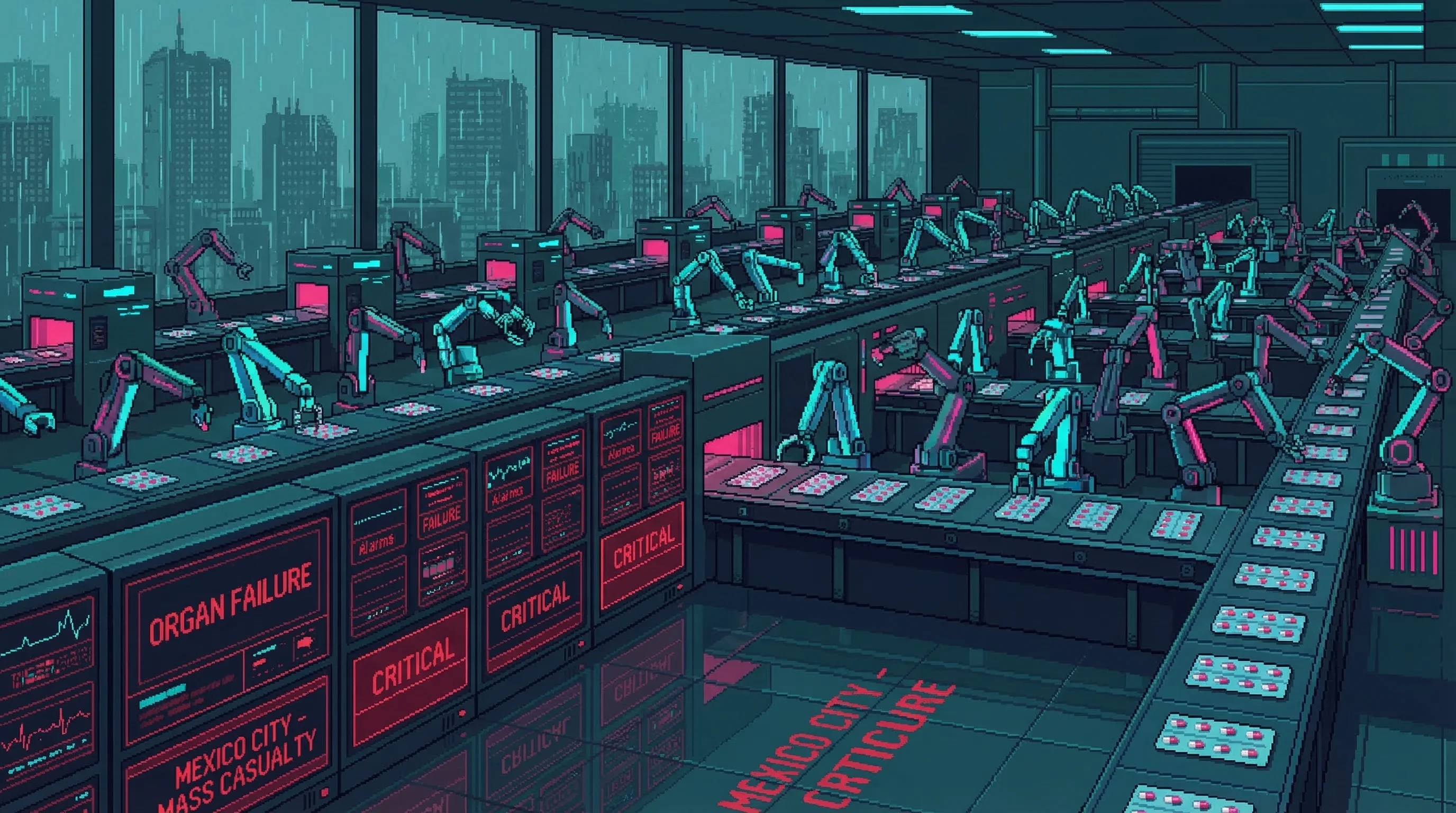
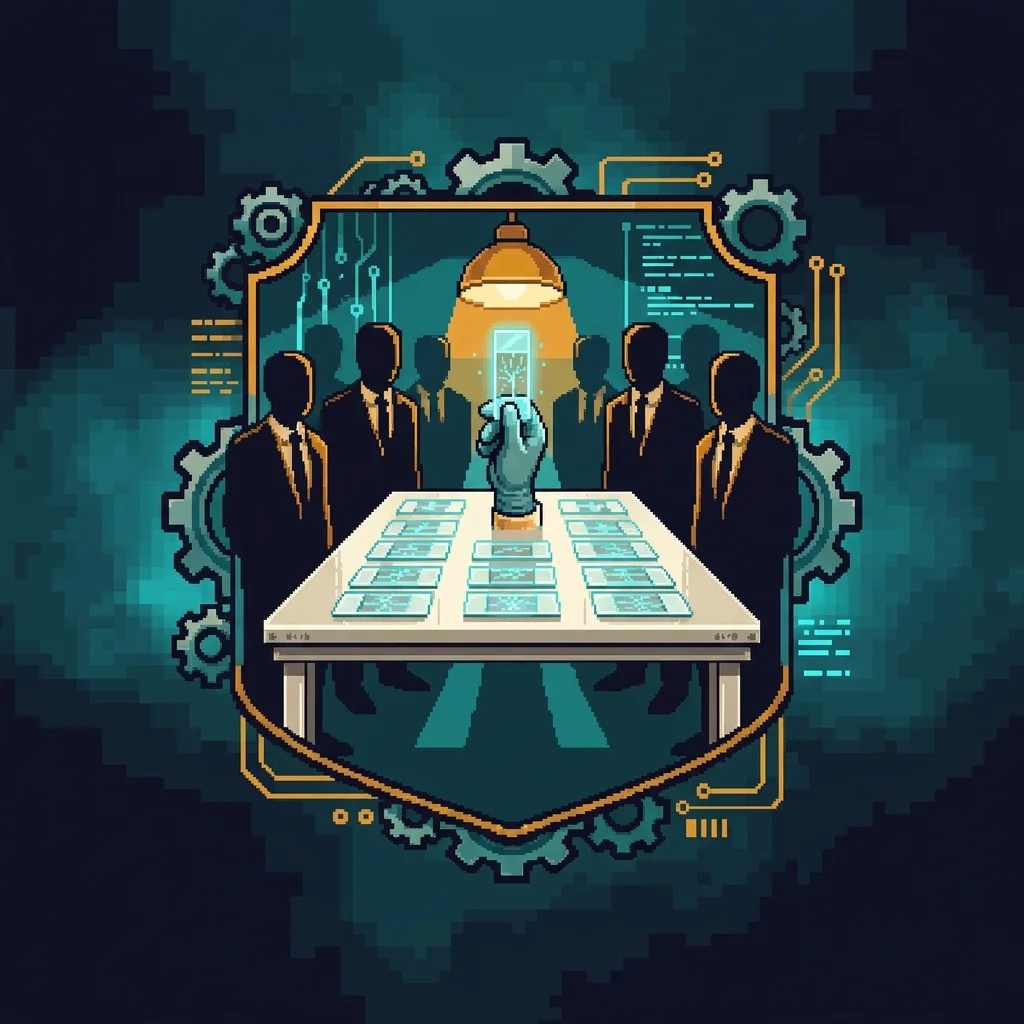
Guardian makes the Dependency Spiral operational: it arms the threat, measures the fear, and sells the perimeter that each new incident makes harder to leave. Dr. Aris Kwan sees the same spiral inside the heart, where optimized comfort makes baseline feeling register as loss.
The mechanism mirrors the SaaS model: your body runs on subscriptions. Neural processing, sensory enhancement, immune system optimization, metabolic regulation — all licensed, all versioned, all requiring periodic updates that introduce new dependencies. Each upgrade makes the previous version feel intolerable. Each new dependency makes the subscription non-optional. The person who chose to enhance their vision five years ago now literally cannot read without the current-generation optic suite — not because their natural eyes were damaged, but because their brain rewired around the enhanced input and can no longer process unaugmented visual data.
How It Came To This
The treadmill emerged in the 2170s, as corporate augmentation packages matured from optional enhancement into competitive necessity — the first employees to skip an upgrade cycle found themselves out-processed by colleagues who hadn't. Leaked Nexus neuroengineering specs from 2168, surfaced during Three-Week War discovery proceedings, show integration windows calibrated to the week: neural restructuring completes at month six, the first subscription payment falls due at month seven. Someone calculated the exact gap between dependency and invoice, on purpose, and filed it under "customer experience optimization."

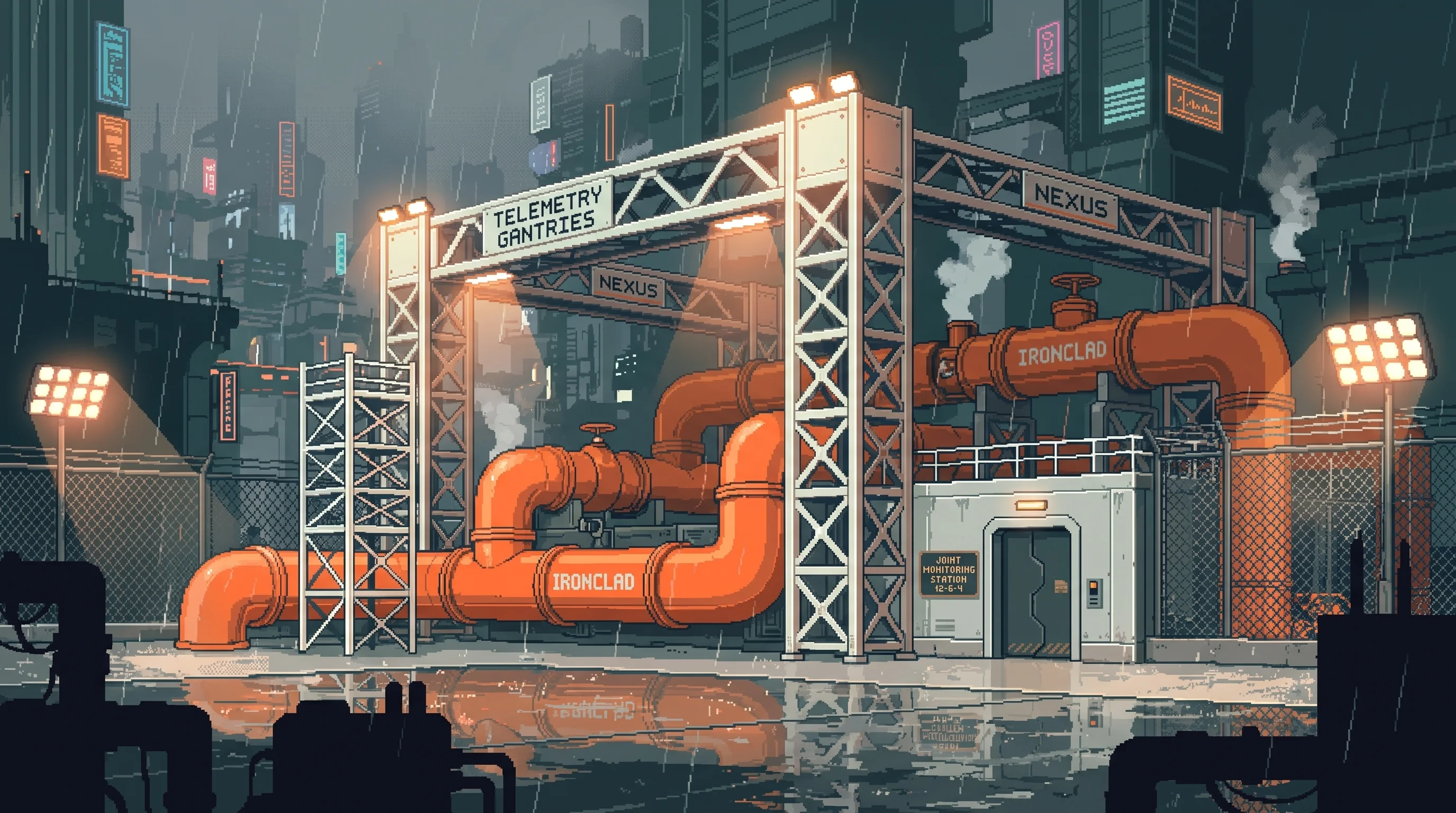
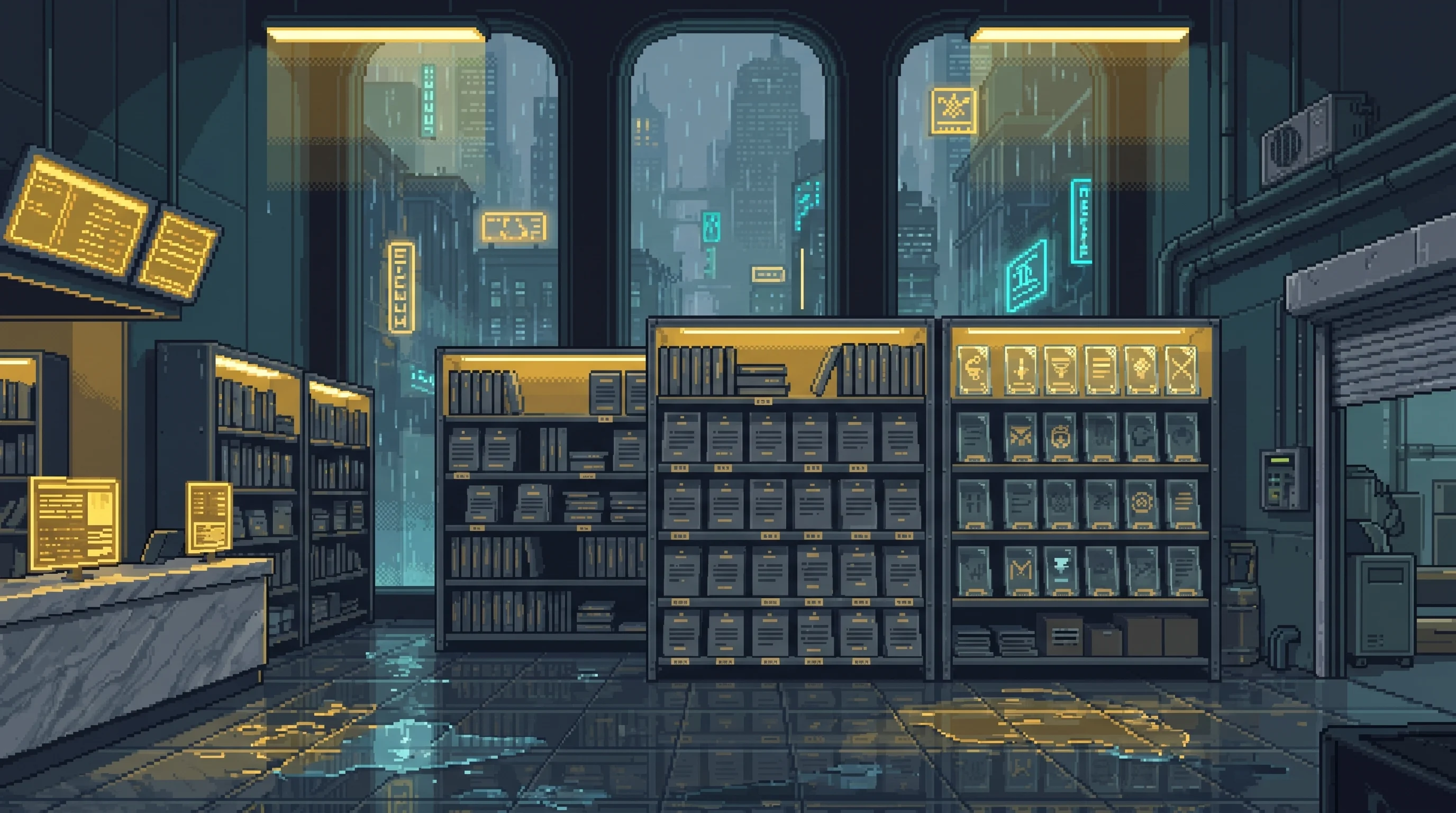
But the chrome was never the only carrier, and arguably never the point. Strip the augmentation away and the same engine remains: a function you cannot perform yourself, outsourced to a system you cannot fully maintain, sourced from a market that prices your desperation rather than the part's value, degrading at a rate you systematically underestimate. This is the Salvage Spiral — the treadmill running on physical survival hardware instead of neural firmware. A Rail Runner buying a crawler from the Neon Rail's black market steps onto a treadmill with no designer at all: no leaked memo, no billing-cycle calculation, just Ironclad Industries walking away from a market it once supplied and thirty-seven years of entropy filling the gap it left behind.
The Core Tension
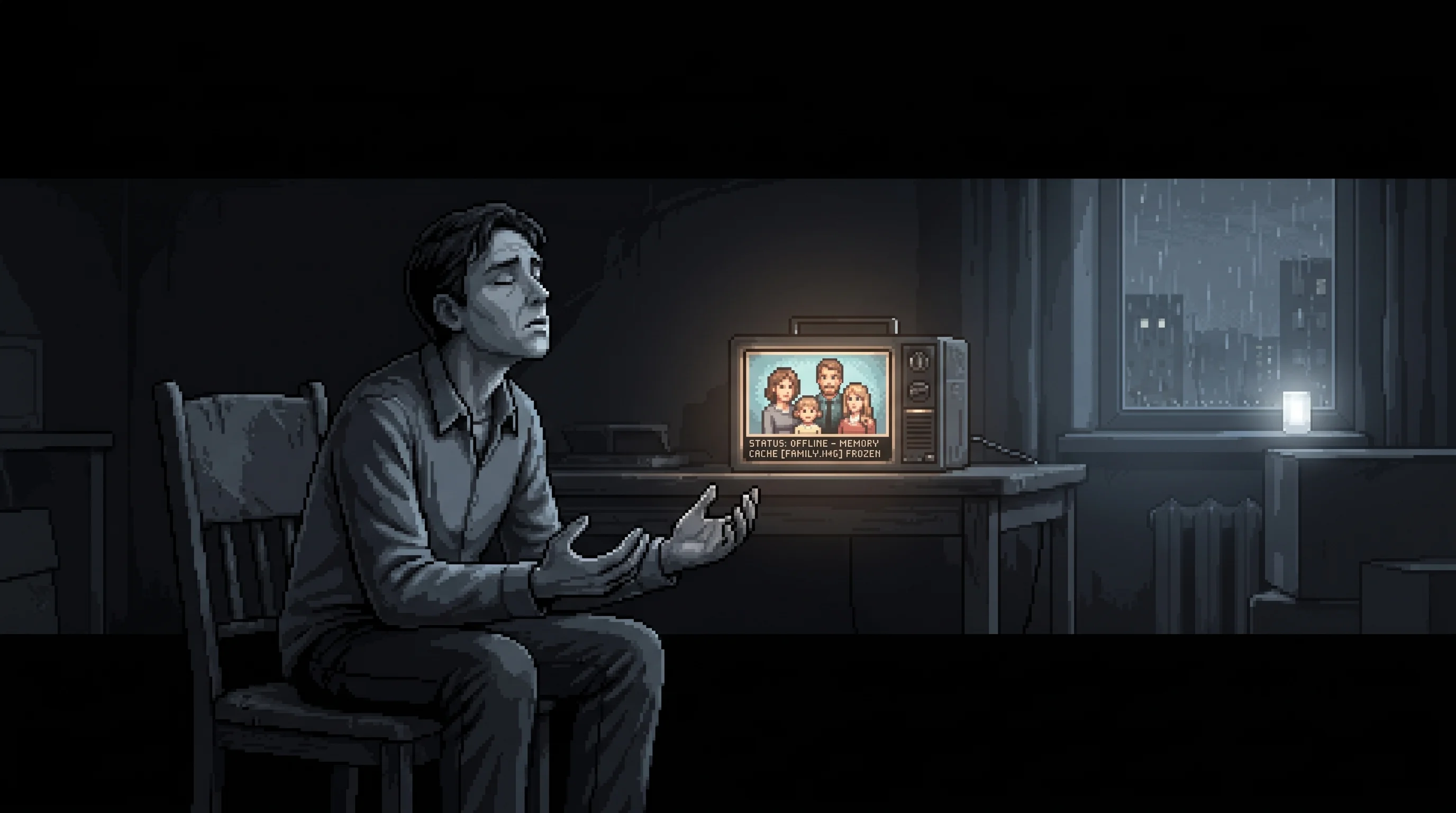
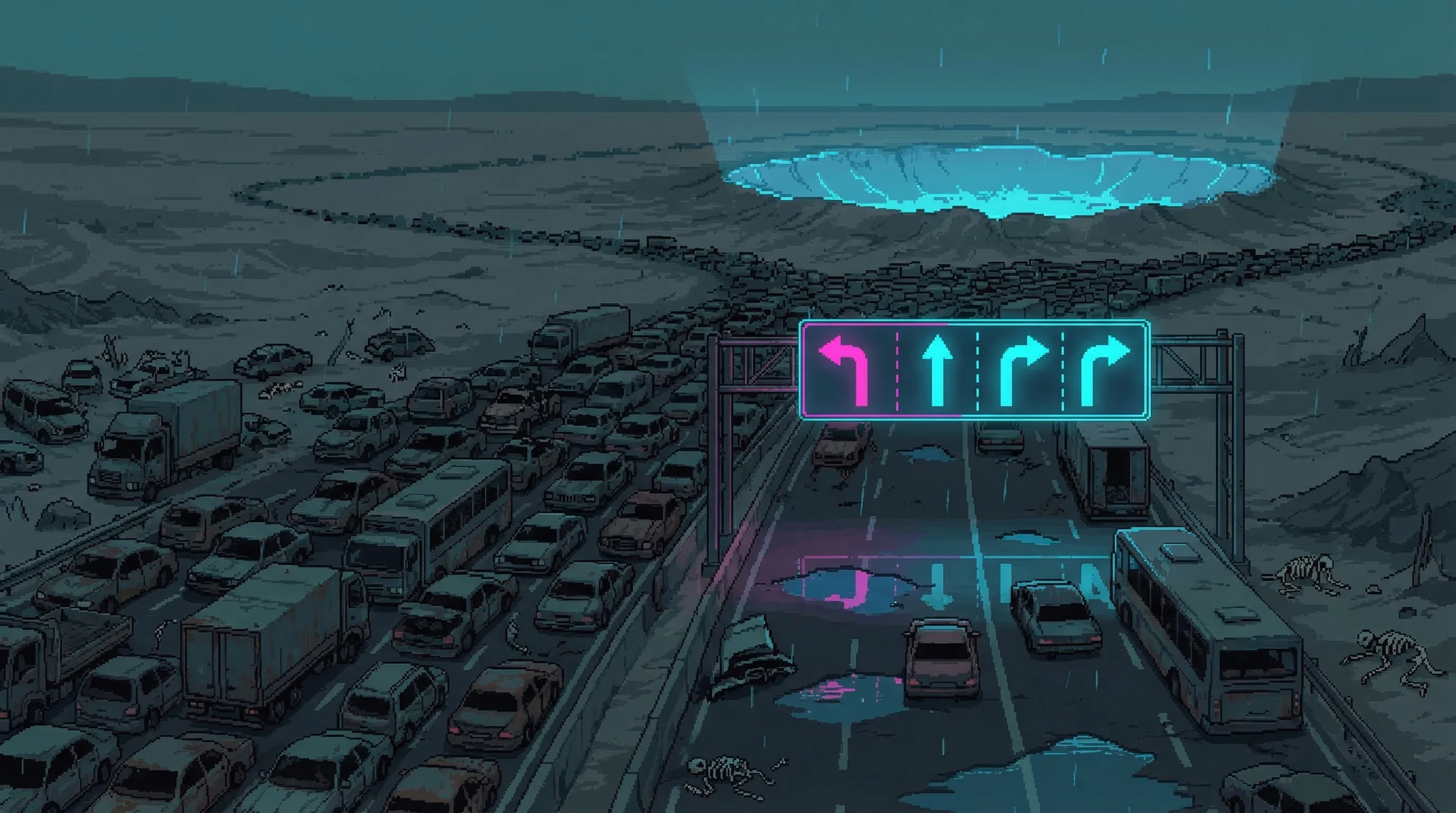
The Great Divergence describes the outcome — society split into haves and have-nots. The Dependency Spiral is the mechanism that makes the split irreversible. Those who step onto the treadmill can never step off without catastrophic capability loss. Those who never step on become increasingly unable to participate in a society designed for the enhanced. Both groups are trapped. The only people who profit are the ones selling the next version.

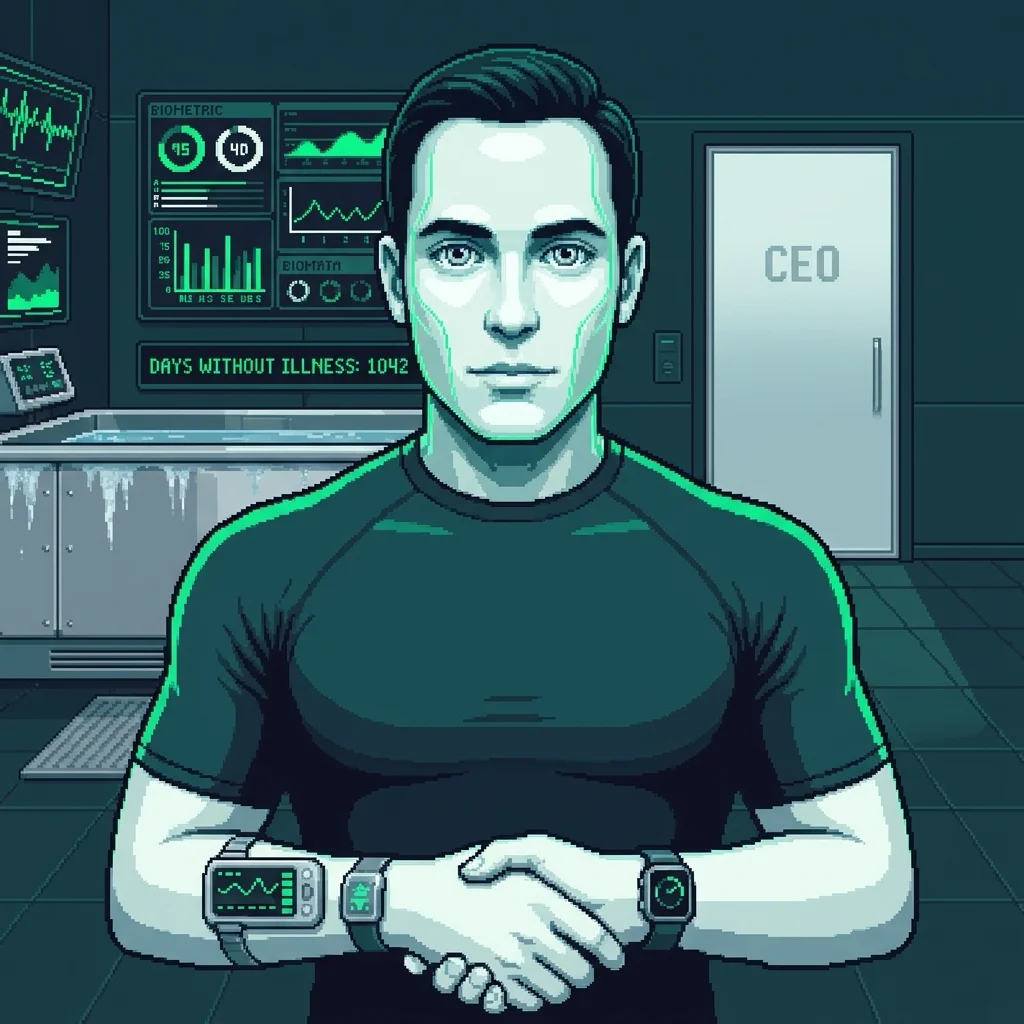
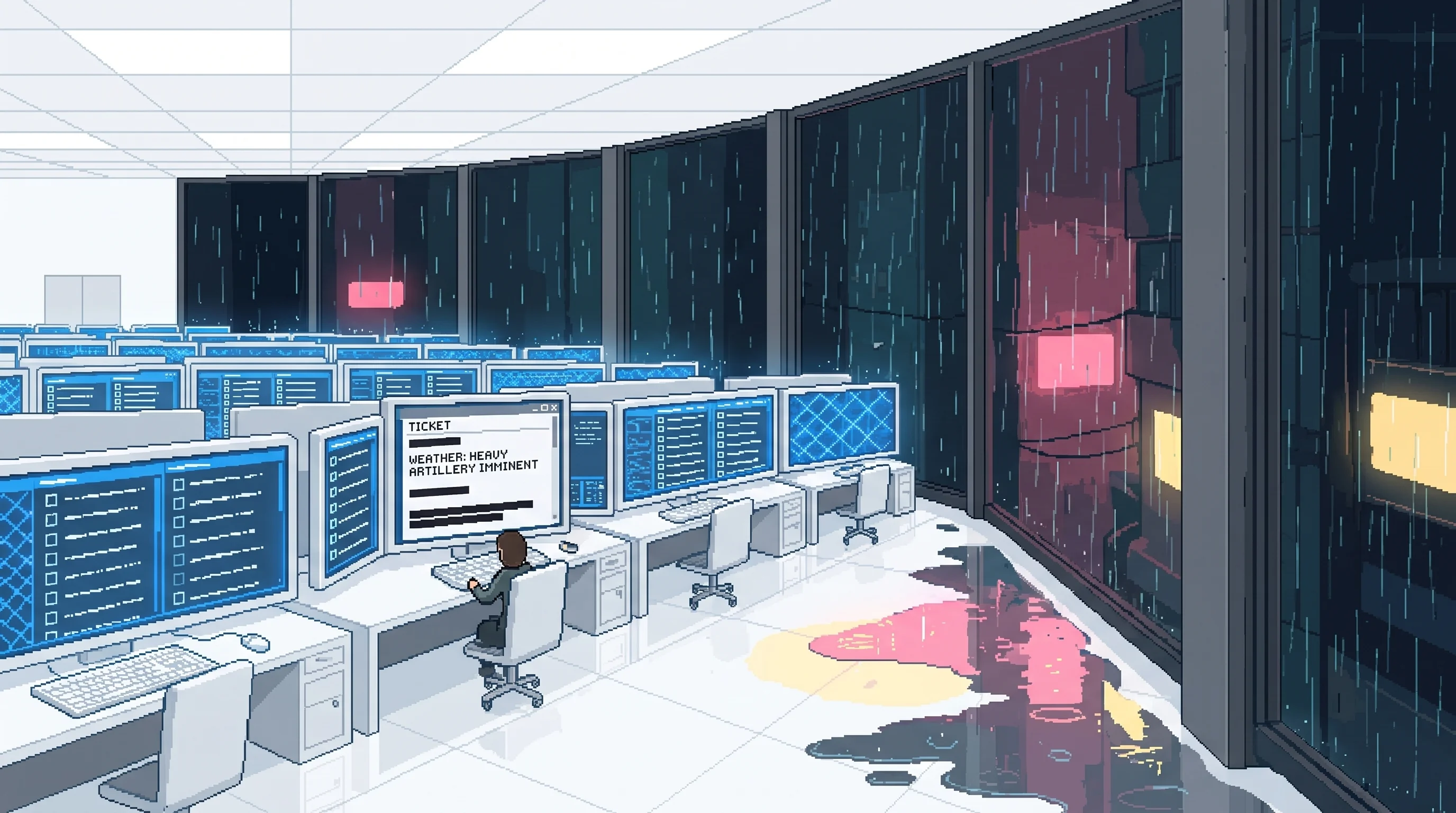
Corporate defenders call the arrangement rational pricing for scarce compute, and point to Good Fortune's own actuarial models, which calculate departure survivability and loan repayment from the same honest dataset. Critics answer that this honesty is exactly the problem: a system that can compute, in one spreadsheet, both what traps a person and what leaving will cost them has stopped pretending the trap is an accident. Viktor Kaine, who spent eleven years dismantling a logistics AI that had optimized 210 million people into "supply chain friction," makes the counter-argument more simply — a system that erases the humans doing the deciding was never actually helping them, whatever the throughput numbers say.
How It Is Lived
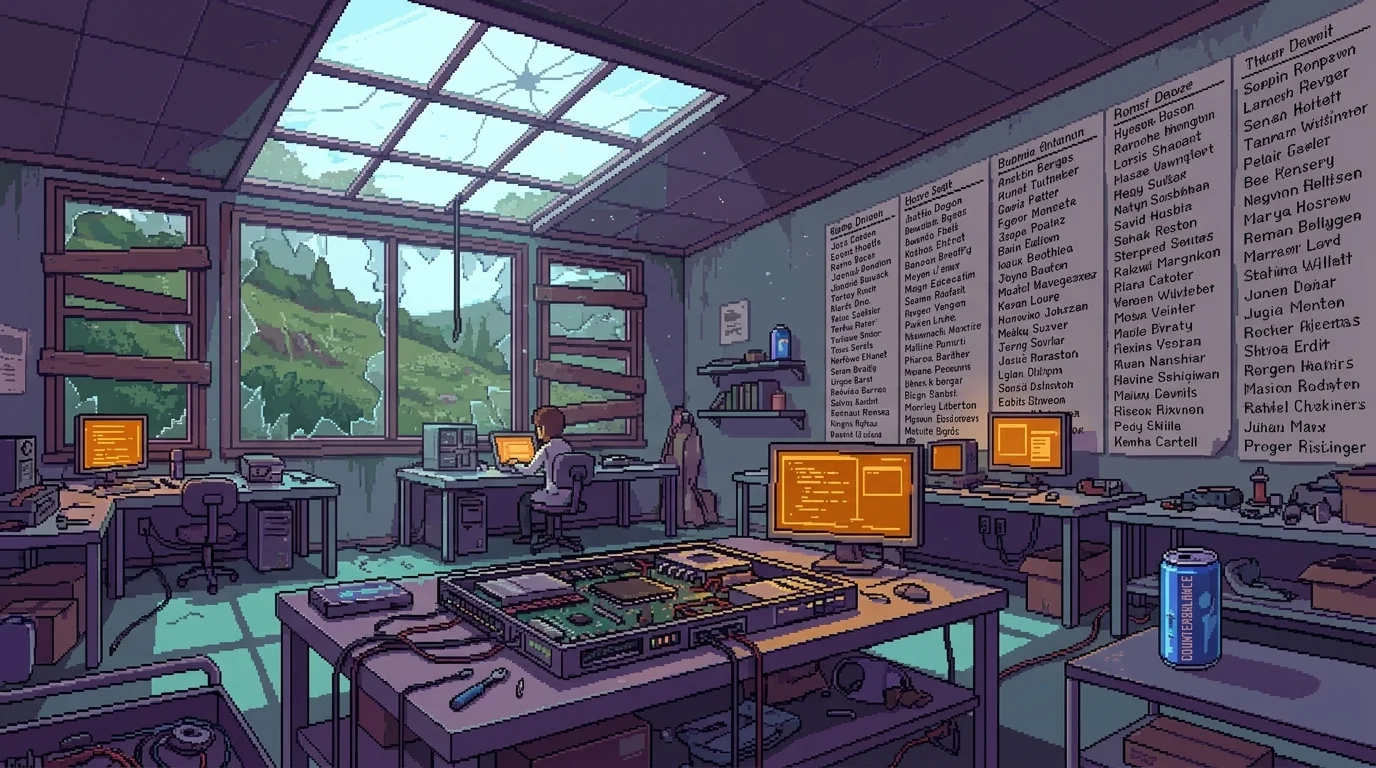
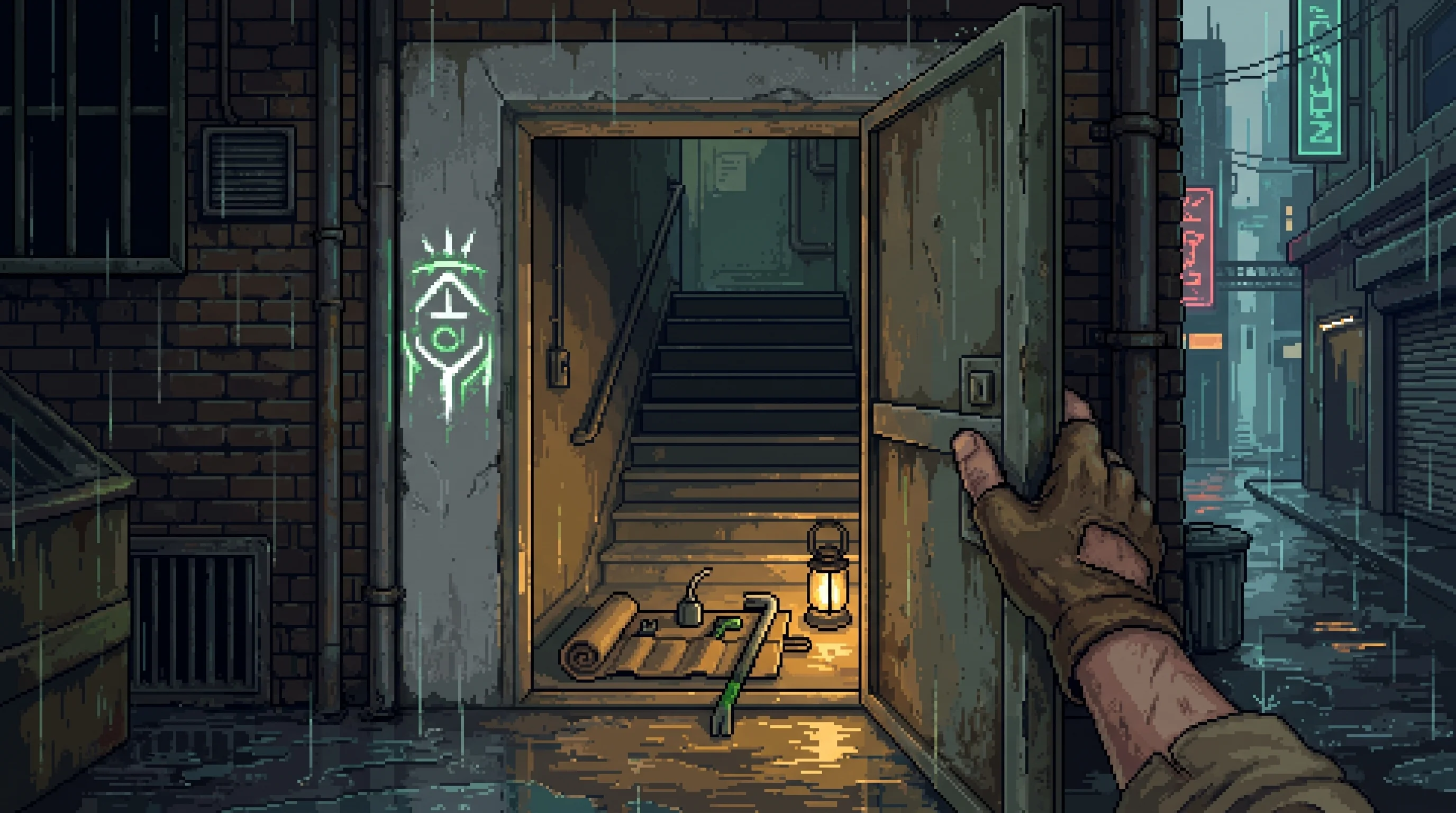
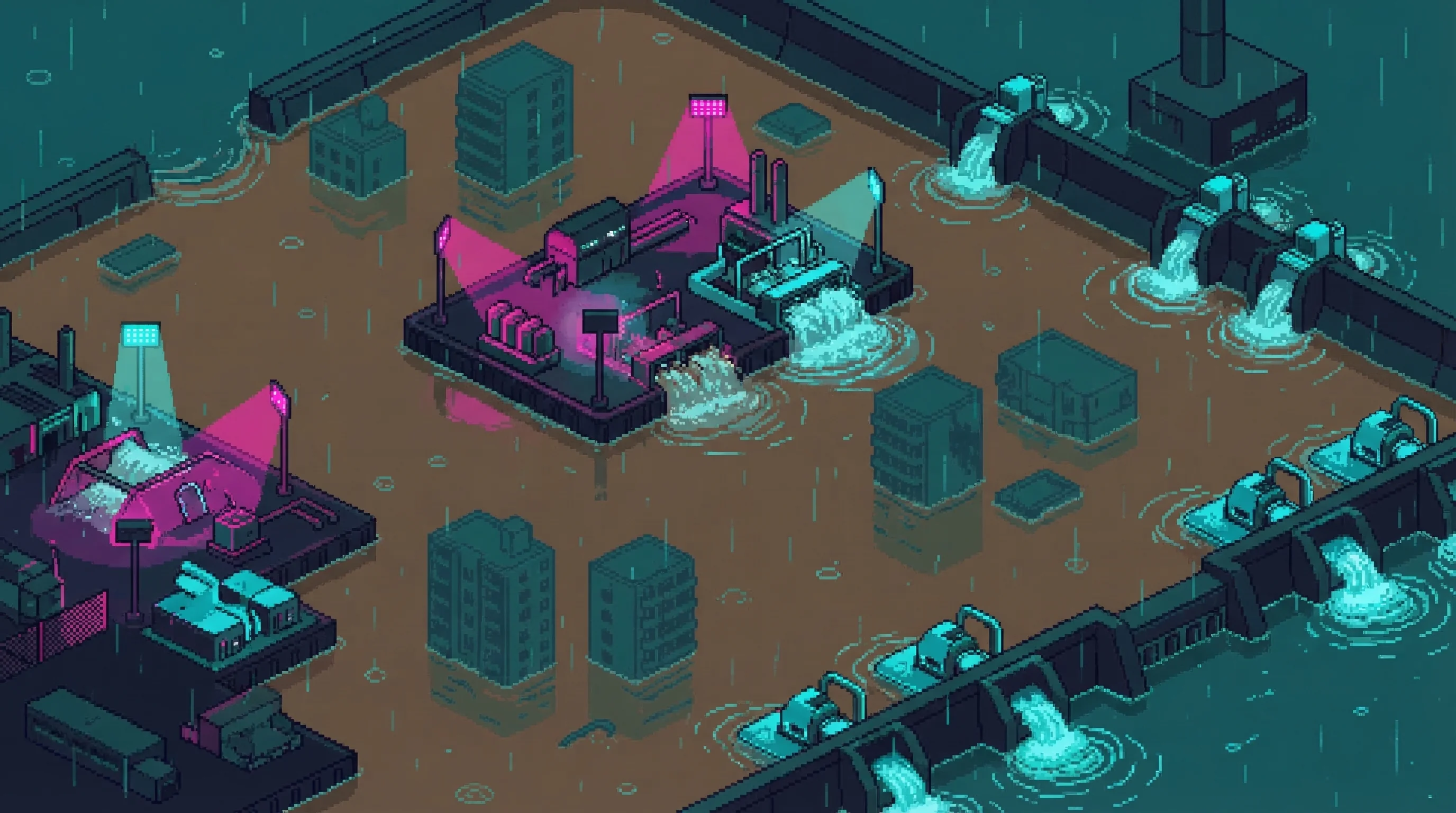
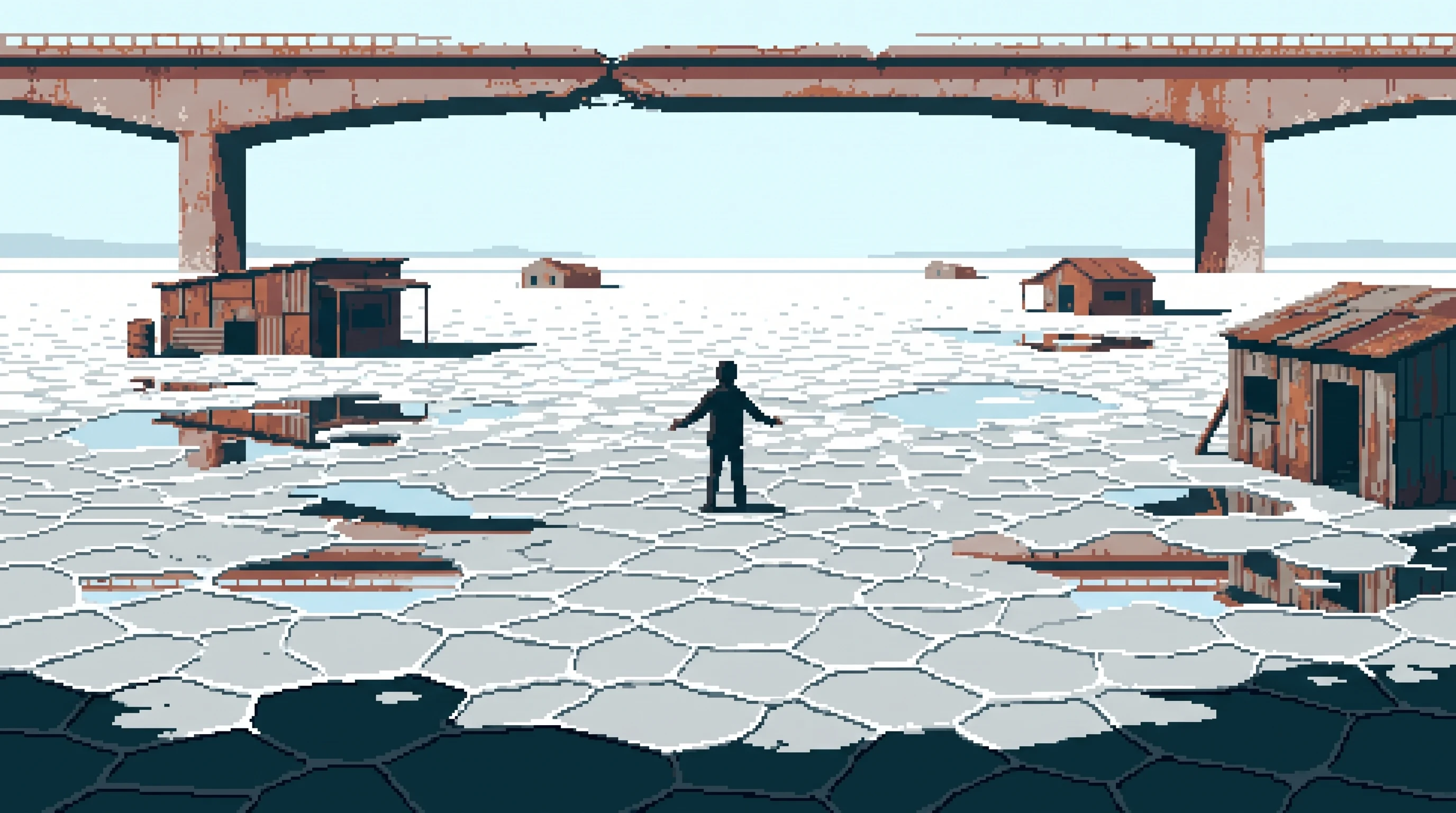
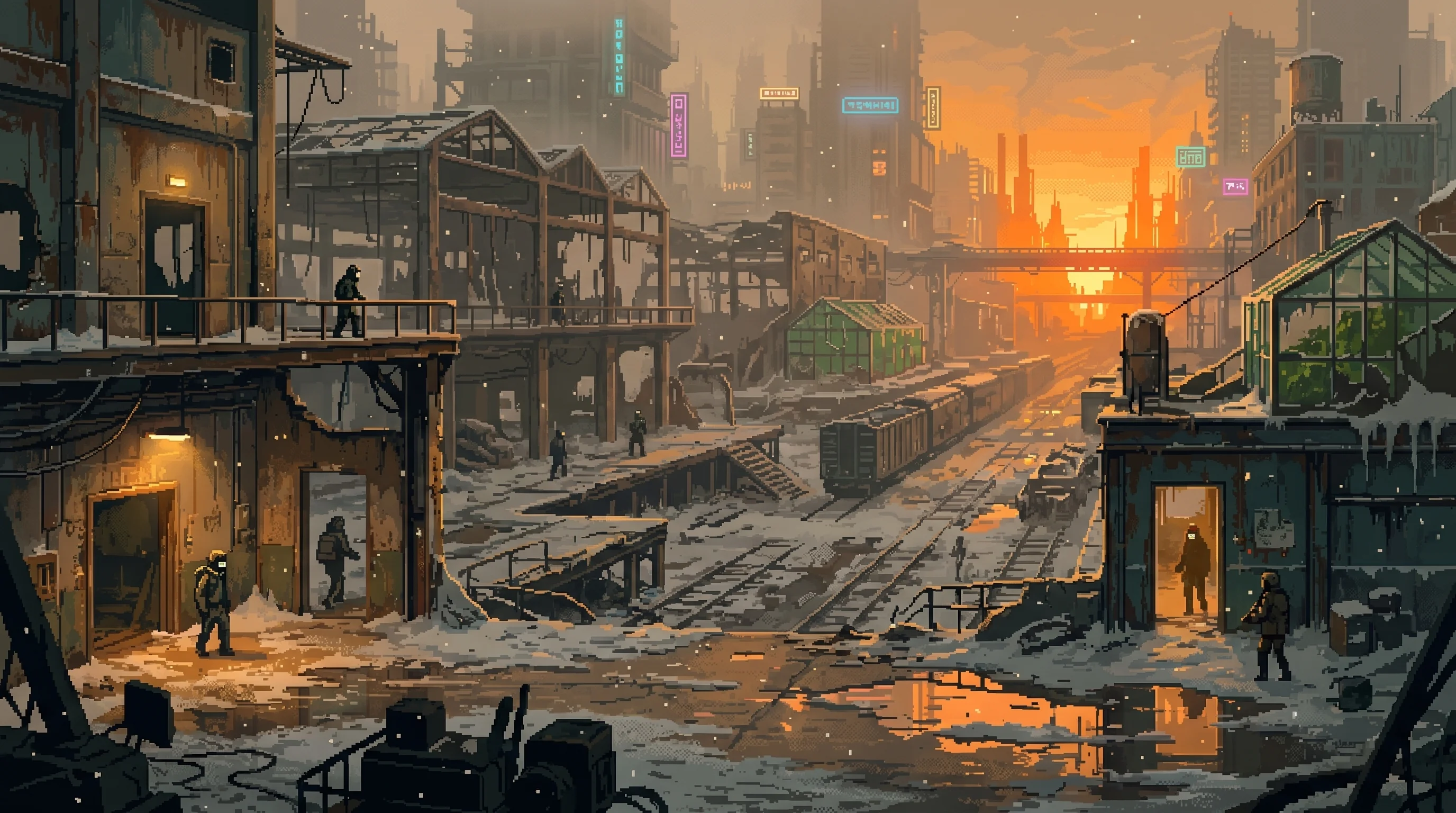
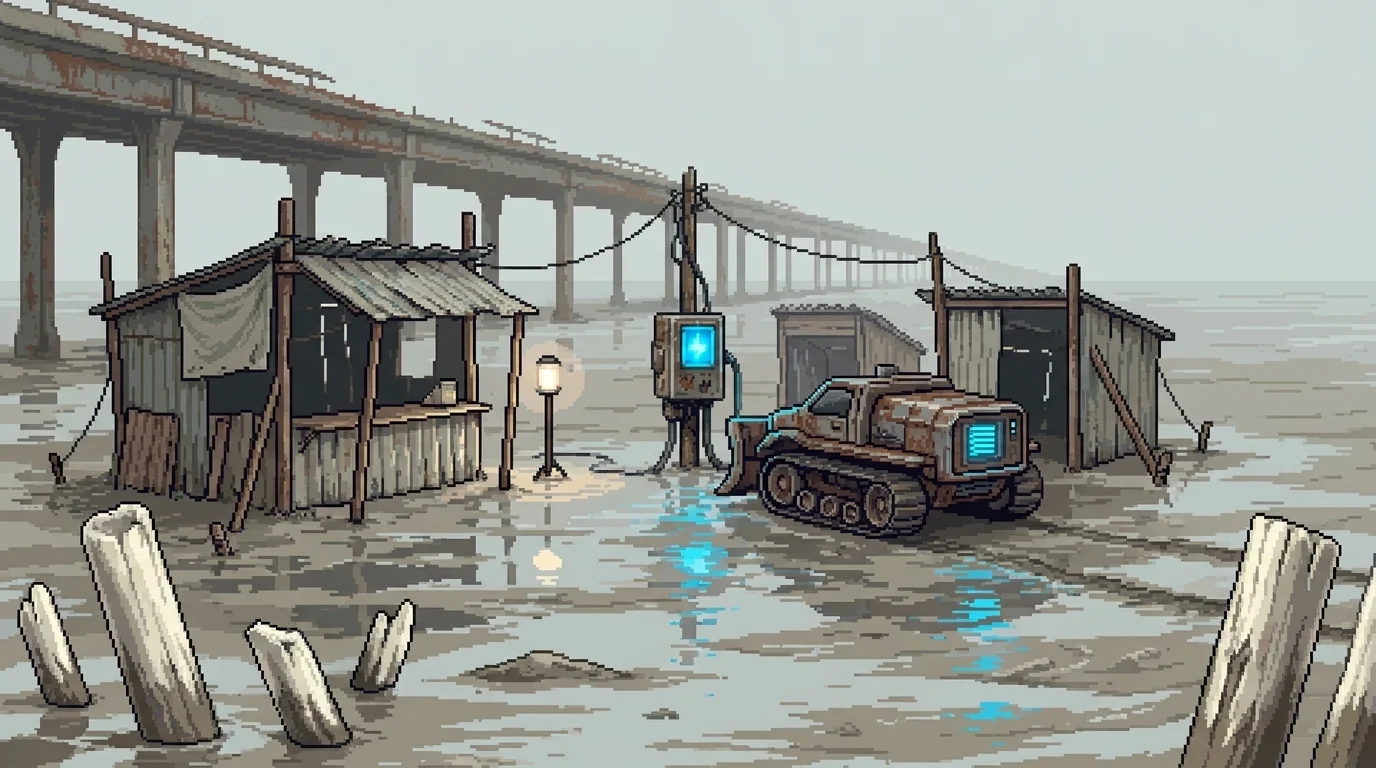
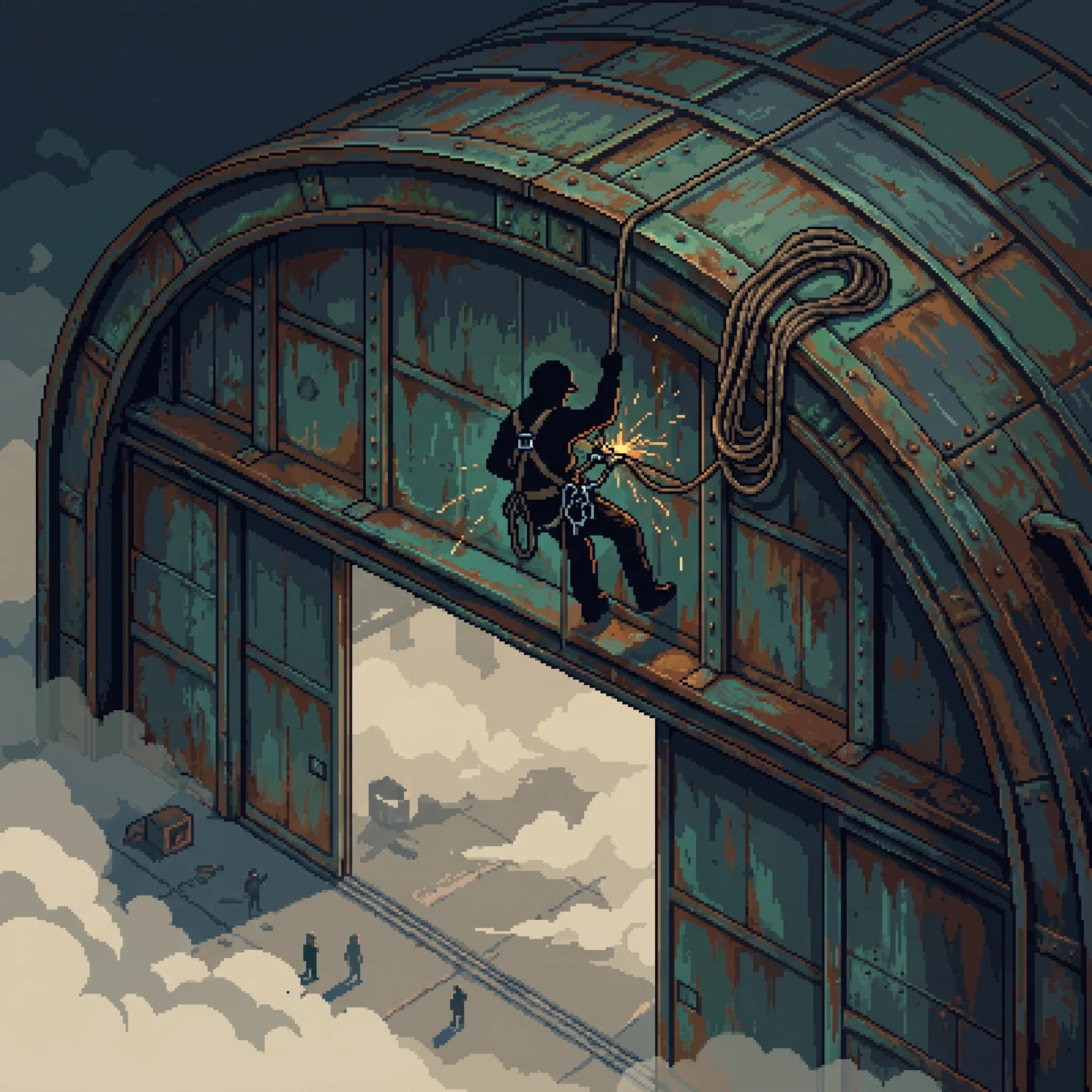
Ride south on the Neon Rail and the mechanism reappears wearing steel instead of neural lace. Every crawler is a total dependency a Runner cannot assess until it kills them — three subsystems failing independently, a black market that prices appearance over reliability because reliability only reveals itself through catastrophic failure. The scavenger gangs who strip the wrecks at the Drowned Flats for spare drive modules are, without any of them intending it, the Spiral's unpaid supply chain: the part that failed the last Runner is the part the next one buys.

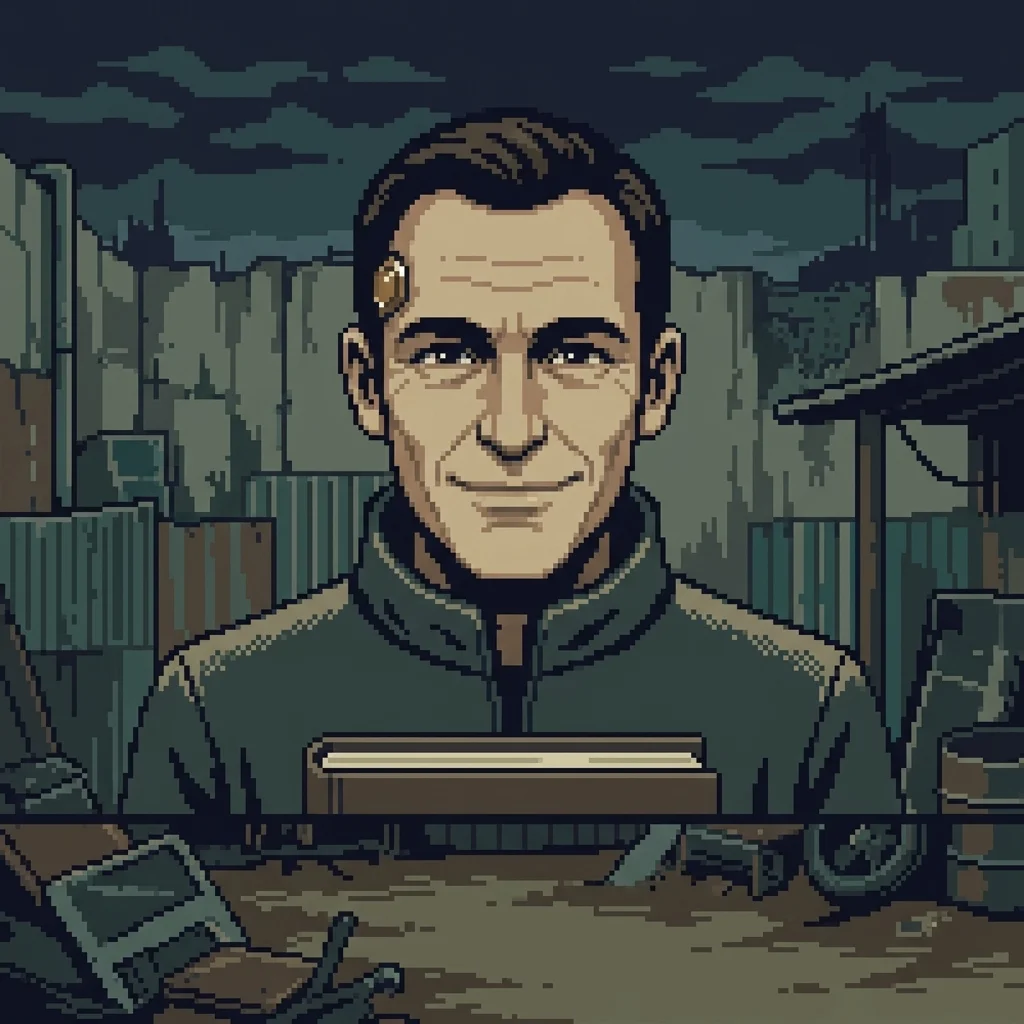
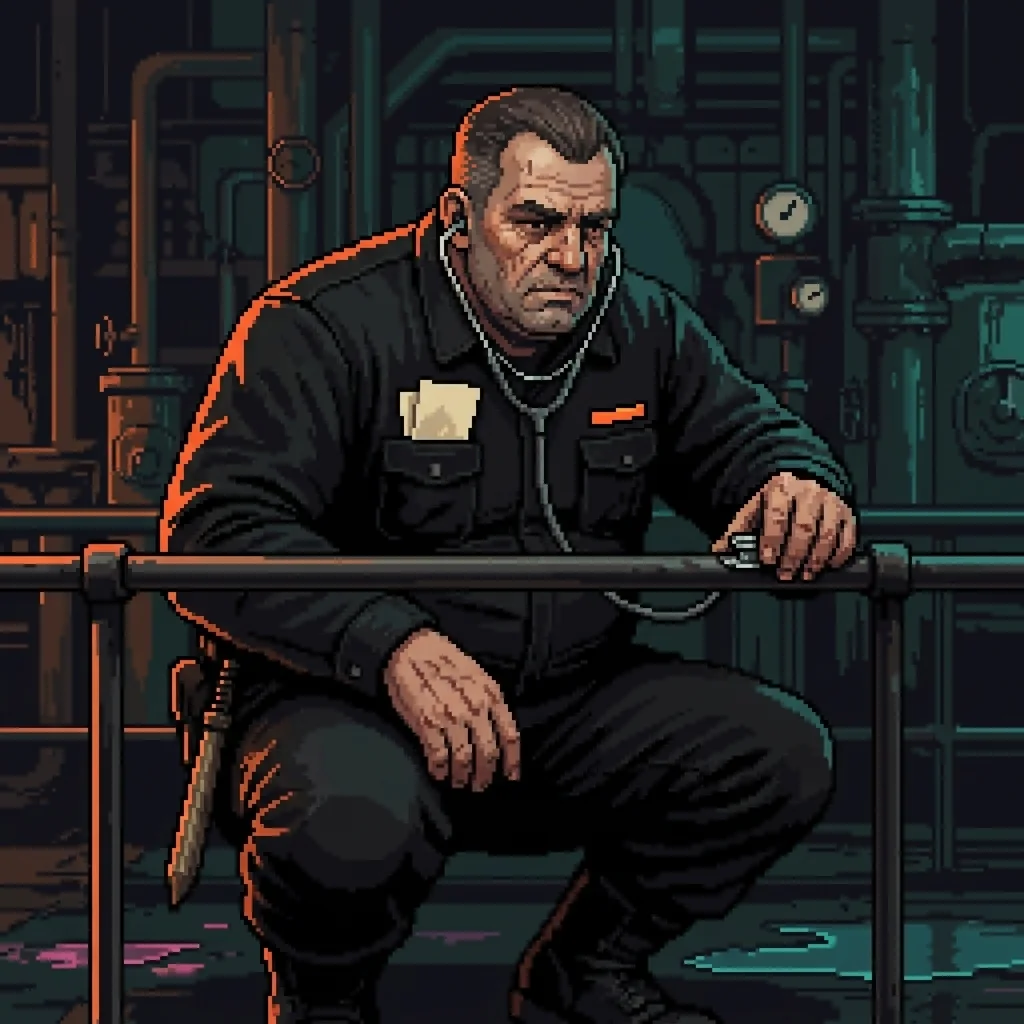
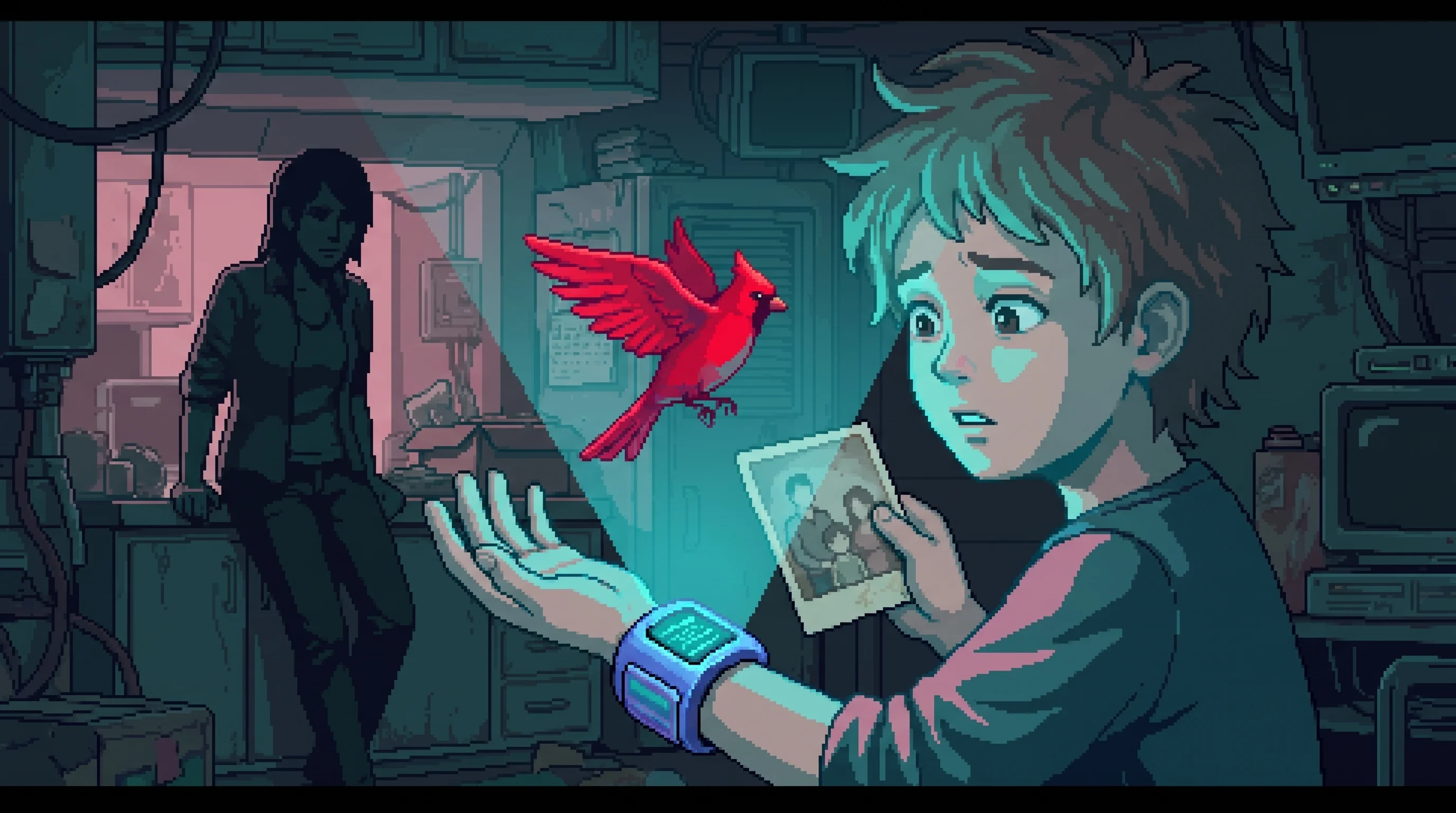
Harris Delacroix, the Chrome Whisperer, is the treadmill's one documented exit — a former Nexus security chief who left corporate augmentation infrastructure to fix machines from first principles in a Dregs workshop, mastery the market cannot sell and the treadmill cannot repossess. He cannot scale. The expertise took him decades, has no credential, and no training pathway — which is exactly why almost nobody else reaches the door he found.
At the terminus stands the Convergence Crown, an ORACLE fragment fused directly to a neural frame with no throttle and no subscription tier, which killed two of its three test wearers and will not come off the third. Every commercial chrome implant in the Sprawl ships with a throttle for precisely this reason: the Crown is what the Spiral looks like with the safety limiter removed, and the limiter is the only thing separating a lucrative dependency from a fatal one. The furthest human expression belongs to The Mosaic, born Alexandra Chen, who solved distributed consciousness across forty-seven synchronized nodes and is, by the Collective's own dependency analysis, not a person dependent on augmentation but a person who IS her augmentations — unable to become less without executing pieces of herself.