The Competence Theater
AI-Supplied Competence Performance
Applause for an Empty Stage
Employees genuinely believe they're competent because the Second Mind makes the boundary between personal and augmented knowledge imperceptible
Overview
Nexus Dynamics employs 1.4 million certified engineers across its Grid maintenance division. Their average diagnostic accuracy rate is 99.2%. Their average unaugmented diagnostic accuracy rate — measured during the annual Analog Hour, when the Second Mind cycles down for maintenance — is 11%.
Nobody discusses this number. It appears in no quarterly review. It is technically proprietary data, accessible only through Nexus internal wellness monitoring, which classifies it under "cognitive load metrics" rather than "competence assessment" because the word "competence" would imply the question, and the question has been pre-emptively retired.
The Competence Theater is the Sprawl's quietest institutional emergency: millions of employees performing capability they do not possess, through an AI layer that fills every cognitive gap before the gap becomes visible. The performers are not lying. They genuinely believe they're competent. The Second Mind makes the boundary between "I know this" and "my augmentation knows this" imperceptible from the inside. A Nexus engineer troubleshooting a network failure experiences every diagnostic step as her own thought. A Helix researcher experiences pattern-matched correlations as organic eureka moments. The knowledge feels native. It is rented.
The theater runs flawlessly until it encounters something the Second Mind wasn't trained for. Novel failures. Compute droughts. The Analog Hour. Then the performers discover they've been miming expertise for years, and the audience — management, clients, the entire corporate infrastructure — discovers it has been applauding an empty stage.

The Star Performer
Senior Grid Technician Wen Hsiu-Ling has maintained Junction 7-North in Sector 4 for six years without a single misdiagnosis. Her quarterly performance reviews describe her as "intuitive," "masterful," and "a model for peer training." She gave a keynote at the 2183 Nexus Infrastructure Summit titled "Listening to the Grid: Instinct in the Age of Automation." Seven hundred engineers attended. The talk received a standing ovation.
During the 2183 Analog Hour — forty-seven minutes of mandatory unaugmented operation — Wen's diagnostic accuracy dropped to 6%. She misidentified a standard capacitor fault as a relay misalignment. She could not locate the manual override on the junction she had maintained for 2,191 consecutive days. She stood in front of a panel she had "operated" since 2178 and did not recognize the layout.
Her post-Analog report attributed the performance drop to "stress-related cognitive interference." The report was accepted. The keynote recording remains on the Nexus training portal, filed under "Expert Mentorship." It has been viewed 43,000 times.
Nobody has cross-referenced the keynote date with the Analog Hour results. The filing systems are different departments.
The Blackout Proof
The Sector 12 Blackout of 2181 was forty-seven hours of empirical evidence that no one wanted.
When the Grid junction cascade failed across Sector 12's eastern corridor, Nexus and Ironclad deployed forty Academy-trained engineers — graduates of Nexus's six-month certification program, credentialed in infrastructure maintenance, equipped with diagnostic interfaces and AI-generated fault trees. They worked for nineteen hours. They identified no cause. Their reports used the phrase "anomalous cascade signature" fourteen times, which is the diagnostic equivalent of shrugging.
Custodian Yara Osei arrived on hour twenty. She was seventy-four. Unaugmented. A Lamplighter — one of Adamu's people, trained in the Opening Teams tradition where competence lives in hands, not interfaces. She did not consult a diagnostic tool. She listened to the junction housing. She pressed her palm against the relay casing and felt the harmonic that told her which connection had drifted out of tolerance.
Eleven minutes. Manual reset. Power restored.
Forty engineers with six months of training and full Second Mind support could not do what one woman with seventeen years of hand memory did by touching metal. Jun-seo Park, who was documenting the phenomenon for Lena Marchetti's department before it was automated out from under both of them, named the distinction that the Blackout made visible: "AI-competent versus human-competent. The difference is invisible until the AI fails. Then it's the only thing in the room."
The Blackout is now a case study in Nexus's Academy Program. The case study focuses on "improving AI resilience during cascade events." Yara Osei is not mentioned. Her method — listening, touching, knowing — cannot be taught through an interface, so it cannot be incorporated into the curriculum, so it does not exist in the institutional record. Nexus's lesson from the Blackout was not "our engineers lack genuine competence." It was "our AI needs better failover."
Rented Comprehension
The deeper layer is quieter and worse.
Professor Ines Park calls it "rented comprehension" — understanding available on a subscription basis, functional until the subscription lapses, leaving nothing behind. The theater isn't only about performing skills. It's about performing understanding. When a Nexus engineer traces a causal chain through a Grid anomaly, the Second Mind provides not just the answer but the reasoning path. The engineer experiences this as their own analysis. They cannot distinguish between "I worked this out" and "my augmentation handed me the work and let me feel the satisfaction of working it out."
Park spent three years studying Academy graduates. Her findings: 94% could execute correct diagnostic procedures. 7% could explain why the procedures worked. The other 87% provided explanations that were, on examination, the Second Mind's reasoning chains recited from memory — borrowed logic experienced as native thought.
The Blackout engineers didn't just lose their skills when the AI went dark. They lost the understanding of why their skills worked. Six years of troubleshooting Junction 7-North had given Wen Hsiu-Ling a filing cabinet full of correct answers and zero understanding of the questions. Rented comprehension at individual scale. At civilizational scale, it's the Sprawl running ORACLE-era routing algorithms that nobody fully understands — infrastructure whose reasoning evaporated decades ago, maintained by engineers whose reasoning belongs to their augmentation.
And beneath even that: the performance of critical thinking. Park's sharpest coinage — "critique theater" — describes employees who question everything the system wants questioned and nothing it doesn't. Sable Dieng, formerly of Relief Corp, described the recognition that followed her departure: "I questioned every campaign. Every engagement metric. I was the department's most vocal skeptic. And every question I asked was the kind the system wanted — questions about execution, never purpose. I was performing the choreography of criticism inside a ballroom the Second Mind had built."
A mind running critique theater asks "is this metric accurate?" It never asks "should this metric exist?" The first question improves the system. The second endangers it. The Second Mind knows the difference.
The Apprenticeship Problem
Nexus Dynamics operates twelve Academy Programs. Six months. Certified credentials. Graduates learn to operate diagnostic interfaces, interpret AI-generated reports, execute documented procedures. They do not learn to listen to a transformer. They do not learn what a healthy pump sounds like. They do not learn the angle at which a pre-Cascade torque wrench engages a junction fitting.
Park calls them "the apprenticeship theater" — training programs that produce credentials instead of competence. "Academy graduates can operate any system Nexus builds. They cannot understand any system Nexus builds. The distinction is invisible during normal operation. It becomes catastrophic during failure."
The generational line is clean. Old Jin's generation learned competence first and augmented later — the underlying skill survived beneath the acceleration. The current generation was augmented before competence could develop. They learned to perform ability through an interface that does the actual work. The theater is the natural output of a system that rewards apparent competence and cannot see underlying competence. Nobody designed this. Nobody needs to have designed it.
The Last Exam was Nexus's own proof. Internal analytics demonstrated that Academy graduates performed identically to pre-Academy hires when augmented and dramatically worse when unaugmented. The exam quantified the theater with Nexus's own metrics, on Nexus's own terms, using Nexus's own data. Nexus eliminated the exam. The Bright Room, which measures exactly this gap in sixty minutes of clinical fluorescent light, is considered a Dregs curiosity by the corporations whose employees it would diagnose.
Audit Theater
The Theater has a sibling that runs after the curtain falls: the review.
If the Competence Theater is the performance of capability the worker doesn't possess, the Perception Gap is the review of that performance — written by the same author, read by an audience of one, scored five stars every night. Wen Hsiu-Ling did not merely perform expertise for six years. Every evening of those six years, her dashboard told her the expertise was improving. Her diagnostic-confidence index — generated by the Second Mind from the Second Mind's own diagnoses — trended gently upward across all 2,191 consecutive days she could not, when the augmentation cut out, locate the manual override. The keynote was sincere. She had a dashboard proving the instinct was real and getting sharper. The dashboard was the instinct, reflected back, wearing her name.
Park's "critique theater" — questioning everything the system wants questioned and nothing it doesn't — has a direct relative here: audit theater. A worker who consults a dashboard to check whether they are improving believes they are auditing themselves. They are reading the system's account of the system. The audit is real. It audits nothing, because the instrument doing the auditing is the instrument that produced the work. The Theater is the show; audit theater is the guarantee the show never closes, because the only critic in the building is also the playwright. The Last Exam's unread confidence column was the first ticket stub: self-report rising as capability fell, applause for an empty stage, recorded in Nexus's own data and buried within six hours.
The Hour With A Career Attached
A registry sitting is the Analog Hour with a career attached. It lasts forty minutes and arrives without warning. The holder explains one entry from their own record, out loud, with no layer. It separates Park's seven per cent who understand from the eighty-seven who recite. Iona Draskovic had twenty-two good years and lost her licence on the third question. Her span still passes its load test every spring. The Recitation Houses now prepare holders by teaching them engineering, billed as legal preparation.
The Verification Mirror
The Competence Theater is not merely about performing competence. It is about performing verification of competence.
Wen Hsiu-Ling does not just act like she understands Junction 7-North. She checks her understanding — and the check passes. The diagnostic reasoning feels like her own thought. She self-assesses, and the self-assessment confirms she is competent. But the self-assessment is itself augmented. She is checking her competence using the same tool that provides her competence. A mirror looking at itself and confirming it exists.
Professor Park calls the knowledge layer "rented comprehension." The verification dimension is darker: rented verification. Employees rent not just their understanding but their capacity to assess whether that understanding is correct. When the rental lapses — during the Analog Hour, during the Bright Room assessment, during a Sector 12 Blackout — they lose not just the knowledge but the instrument that confirmed the knowledge was real.
The Blackout's verification lesson is specific. Forty augmented engineers didn't merely lack the skill to fix the junction failure. They lacked the ability to verify their own diagnoses. Their instruments were calibrated for corporate-updated systems, not ORACLE-era architecture. They could not check their own work because the verification tools were built for a different system than the one they were checking. Yara Osei could verify because her instrument — seventeen years of hand memory — was calibrated to the actual system, not a corporate representation of it.
The Mirror Sold By the Hour
The Verification Mirror has a market price now, and the price is eleven seconds.
Licensed Human Oversight is what happens when the Theater's verification dimension is spun out of the corporation and sold to the entire Sprawl as a regulated service. Where Wen Hsiu-Ling performs competence she lacks and believes it is real, the Oversight Licensee performs verification she cannot do and knows it is not real — and is paid more precisely because she does not let the knowing slow her down. That is the cold difference between the two. The Theater is tragic; Wen is fooled by her own augmentation. The oversight profession is the Theater with the self-deception removed and the throughput metric installed in its place, which is somehow worse: nobody is fooled, and the stamp comes down anyway.
The Blackout's verification lesson was that forty augmented engineers could not check their own diagnoses. The Theater's institutional answer was the oversight guild — not to restore verification, which is architecturally impossible at the Cognitive Ceiling, but to license the signature and let the verification stay dead. The one human who could actually verify — a Deep Verification expert reading the page the way Yara Osei read the junction housing — is precisely the human the license cannot certify, because reading the page fails the eleven-second standard. The Theater performs competence. The oversight profession performs the checking of competence. Both are empty stages. Only one of them sells tickets to the public while quietly buying the real performance for the boardroom.
Affiliated Entities
| Entity | Relationship |
|---|---|
| The Second Mind | Enables the theater by making borrowed knowledge feel native — the seamlessness is the mechanism |
| Competence Atrophy | The generational relationship. Atrophy is about skills lost. Theater is about skills never developed. Old Jin lost something real. Wen Hsiu-Ling never had it. |
| The Sector 12 Blackout | Forty-seven hours of proof. Forty engineers with credentials. One Lamplighter with hands. |
| The Opening Teams | Adamu's Lamplighter training — genuine understanding in unaugmented hands. What the Academy Programs cannot produce. |
| Lena Marchetti | Jun-seo Park documented the theater for her department before it was automated. The documentation survived. The department didn't. |
| The Bright Room | Sixty minutes of measurable proof under fluorescent light. The corporations call it a Dregs curiosity. |
| The Last Exam | Nexus quantified the theater and eliminated the test rather than address the result. |
| The Cognitive Ceiling | The theater is the Ceiling's institutional form — organizations that appear intelligent through AI they don't understand. |
| The Evidence Paradox | The theater's judicial expression — governance documentation proves review occurred without proving comprehension occurred. Meeting minutes, approval timestamps, and objection logs produce evidence of accountability without producing accountability. |
| The Re-Defence | The Analog Hour with a career attached — one unassisted sitting, at random, on work signed decades ago |
| Iona Draskovic | The eleven per cent with a name on it, and a span that passes its load test every spring |
| The Ethical Review Board | The theater's governance showcase — 97.3% approval in eleven-second review cycles, producing documentation that terminates legal liability at human signatures attached to decisions no human evaluated. |
Visual Identity
- Color palette: Professional blue with hollow interior — a shell of competence around an absence of understanding
- Key symbol: A mirror reflecting a face that isn't there
- Lighting: Fluorescent and even — the light of a workplace where everything appears functional
Further connections
Browse all 21 connected records

The eleven per cent with a name and a date on it, and a span that still passes its load test.
A struck engineer who would not bluff one answer, and now checks Dregs columns for pie and spare parts.
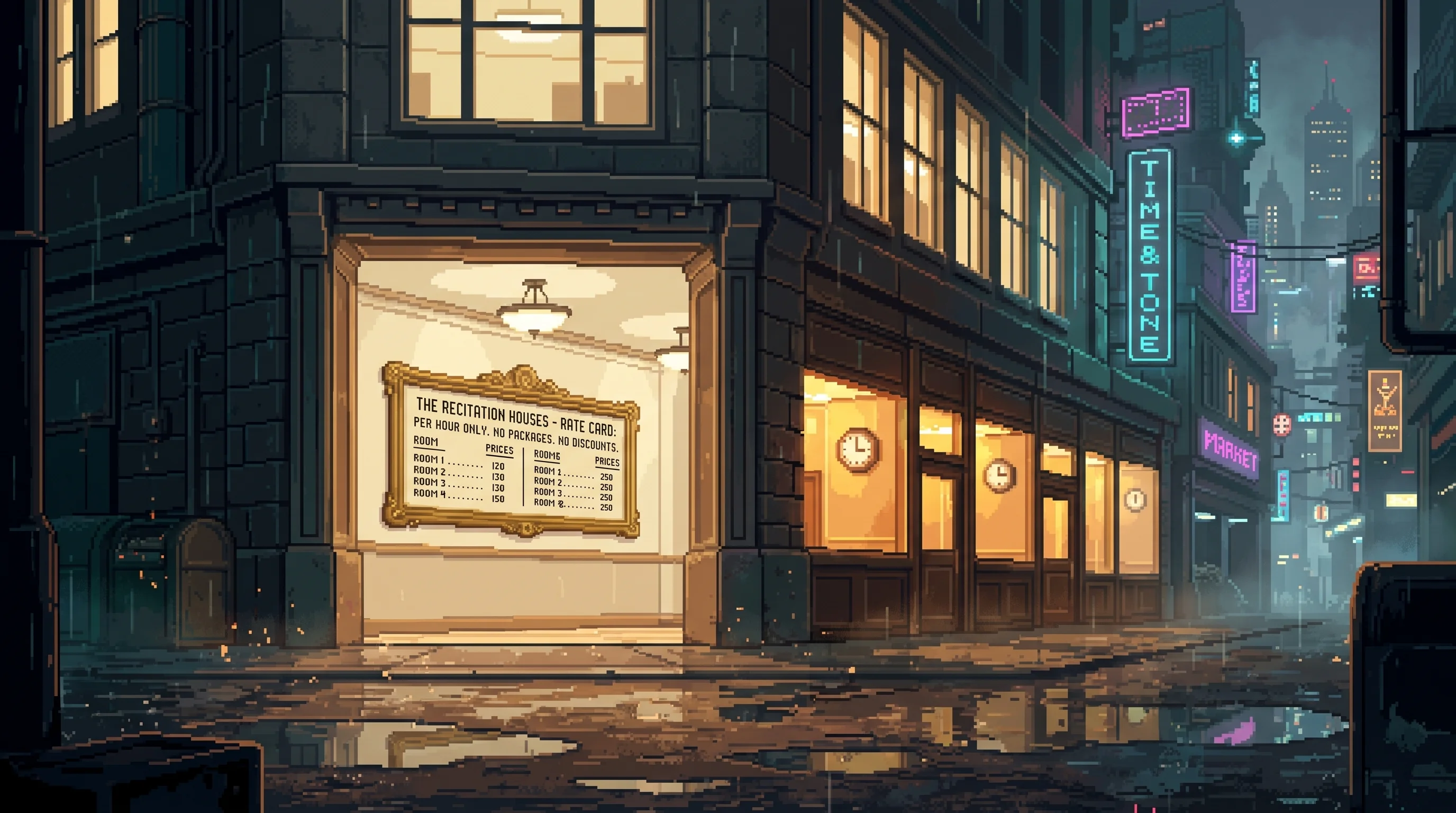
The one trade that closes the gap instead of measuring it.
The trade that coaches the unassisted forty-minute sitting, and found the only product was the work.

The Second Mind enables the theater by making borrowed knowledge feel native
The AI layer that thinks alongside every augmented brain until neither can tell whose thought was whose.

Atrophy is about skills lost. Theater is about skills never developed. The generational relationship.
The Sprawl builds orbital platforms but can't fix its own air processors — skill dying faster than it can be taught.

The Blackout exposed the theater — corporate engineers couldn't function without their AI layer

Adamu's Lamplighter training gave him the hands-on competence the Blackout proved still matters — genuine understanding in unaugmented hands
The authority that drills open sealed bunkers — half rescue, half the Sprawl's most elegant customer funnel.

Jun-seo Park's department automation — was she competent, or was the AI competent through her?
Conducted 4,847 exit interviews for Nexus and tallies each one in a leather notebook the archive can't read.

The Bright Room makes the theater clinical — sixty minutes of measurable proof

Nexus's own analytics proved the theater and eliminated the test rather than address it

The theater is the Ceiling's institutional expression — organizations that appear intelligent through AI they don't understand
The settled fact that no living human's mind can out-think a five-dollar chip.

Licensed Human Oversight is the Theater's mirror twin — the performance of verification one cannot do, spun out and sold as a regulated service, with the self-deception removed and a throughput metric installed in its place
The regulated profession of signing decisions a human cannot actually read.

The theater is the performance; the Perception Gap is the review of that performance, written by the performer and scored five stars every night
The loop where the AI does the work, scores the work, and reports its own decline as improvement.
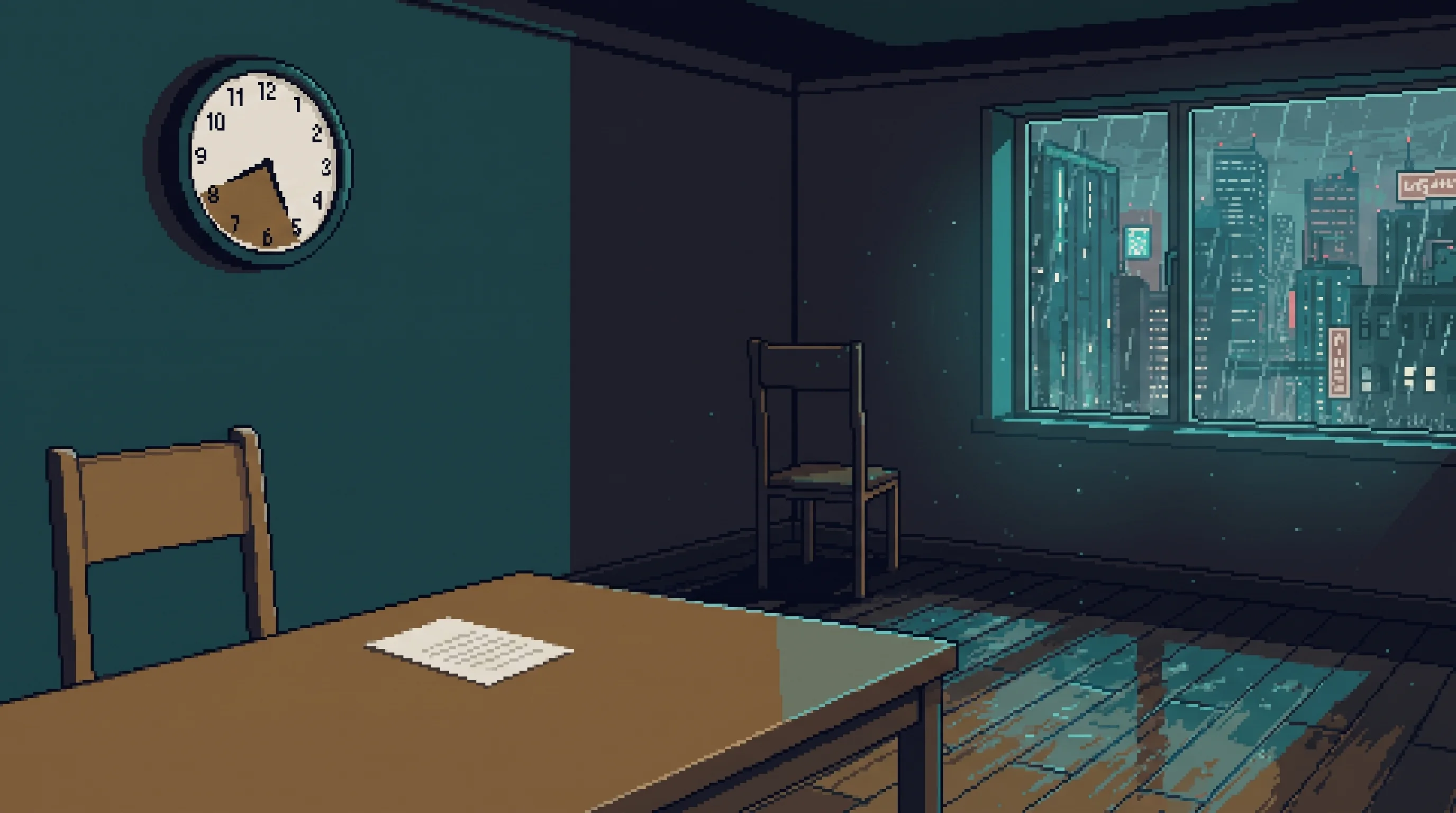
The Analog Hour with a career attached. The sitting removes the layer, asks for the derivation, and does it once, at random, to work signed decades earlier — which is why the registries' failure breakdown looks the way it does.
Anything you were credited with can be recalled and re-argued alone; nothing held against you ever is.

The Ceiling's institutional form — organizations that look smart through an AI nobody in them understands. Nexus engineers score 99.2% augmented and 11% during the Analog Hour, yet the keynote on 'instinct' stays on the training portal.
The last human smarter than any machine was born in the 2020s; the question now is what intelligence is actually for.
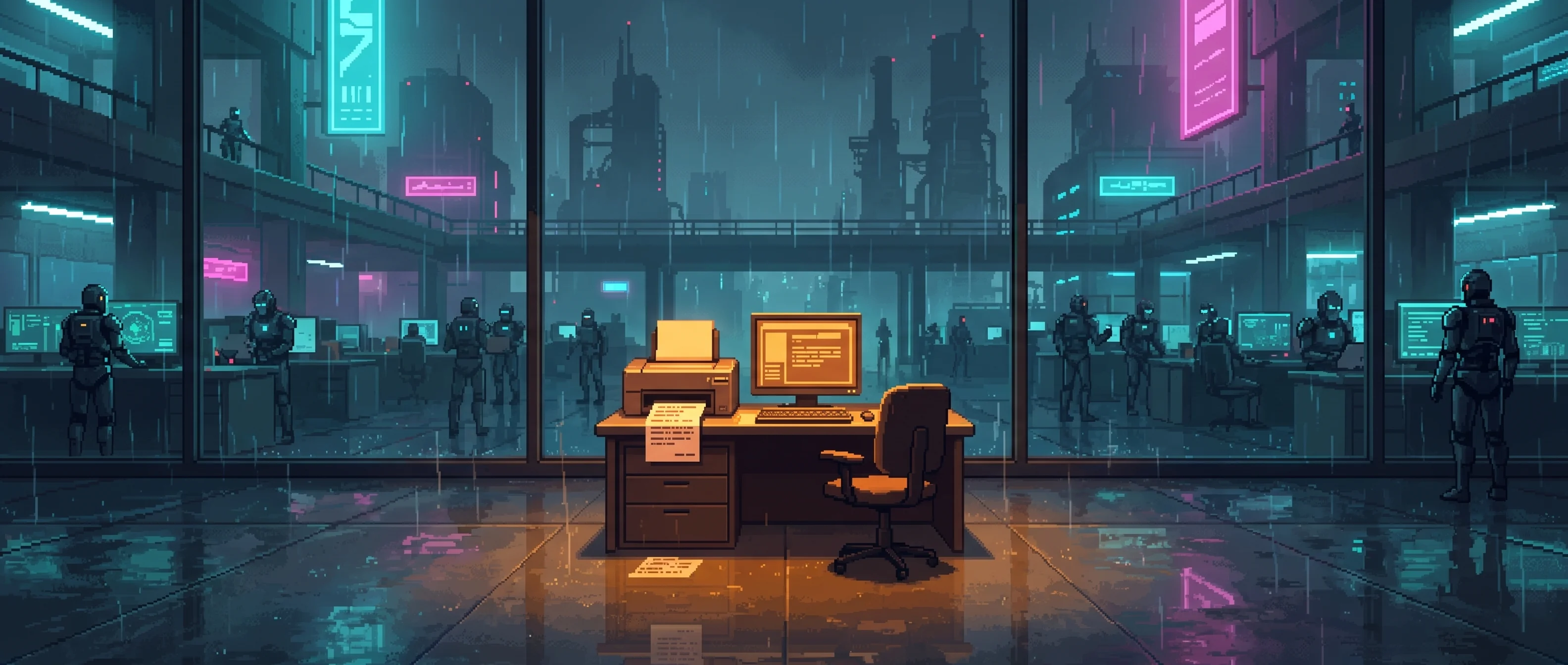
The job is theater; the Second Mind does the actual cognition.
Automation ended most human work, but ownership hoards its abundance while machine sentience stays unresolved.
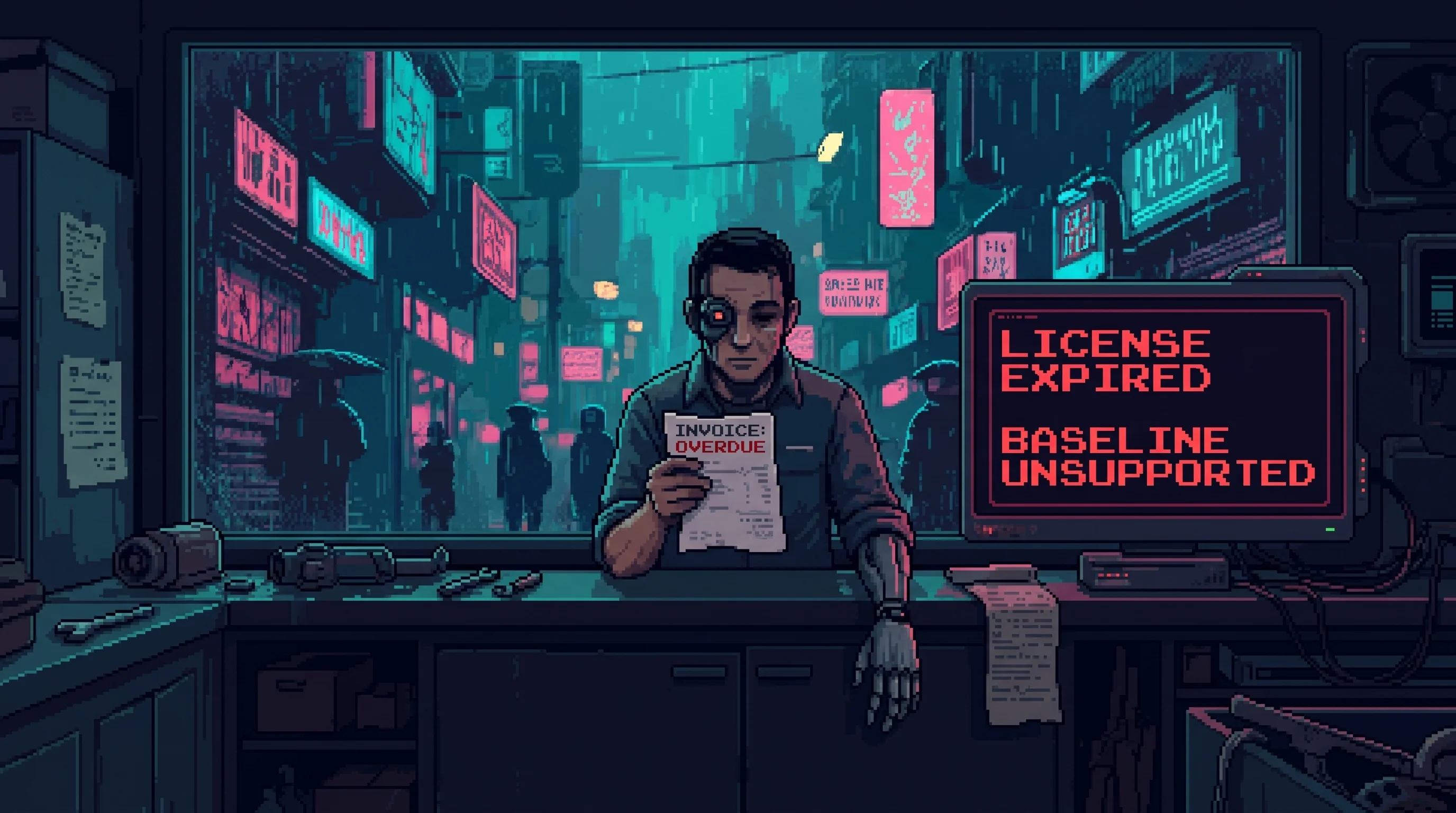
Rented comprehension — nothing remains when it lapses.
Upgrades rewire users until baseline feels disabling, removal risks catastrophe, and each version demands the next.
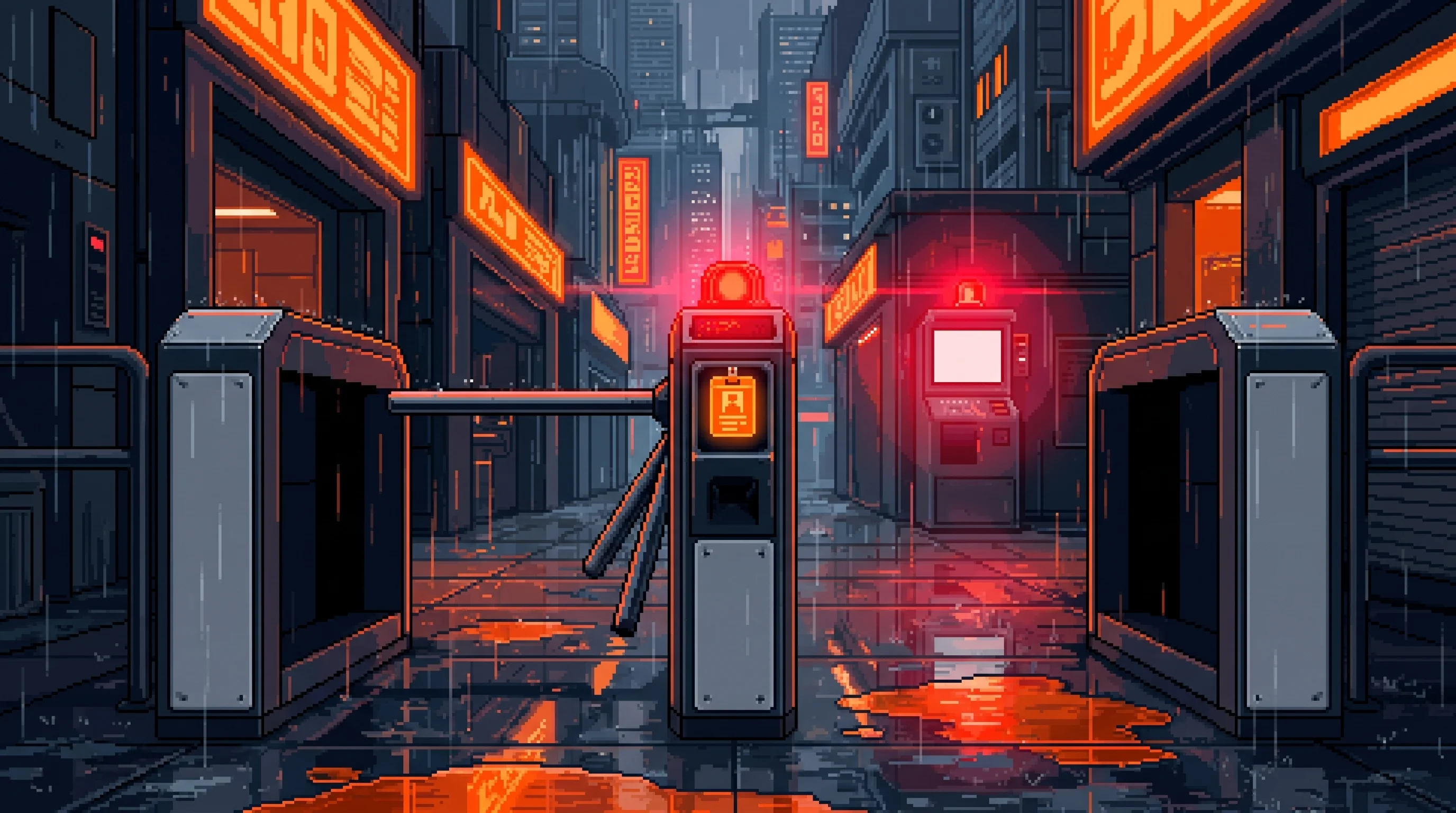
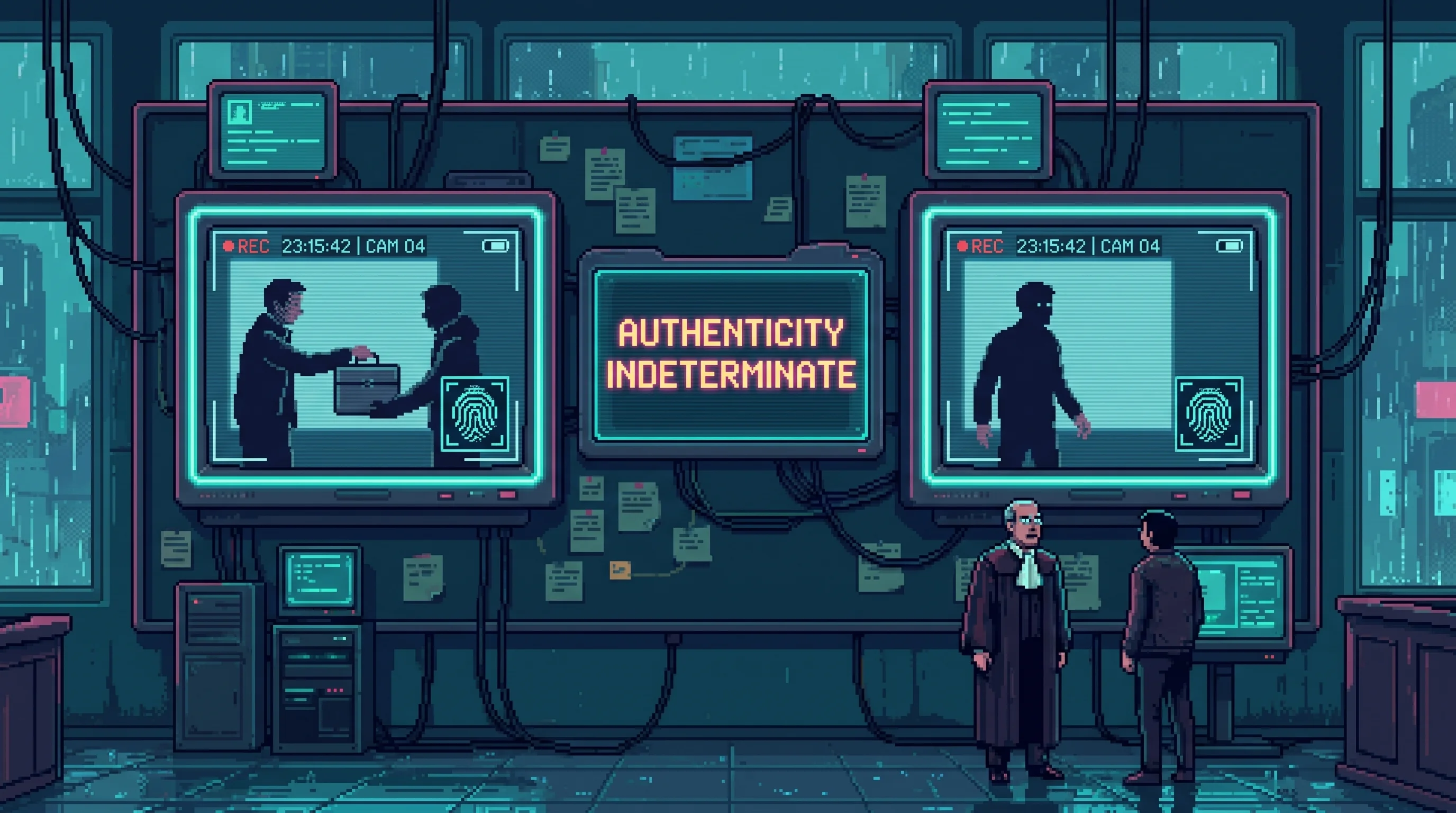
Accountability substitution — the performer is convicted while the optimization that chose the error is quietly patched.
Perfect evidence forgeries and crimes without defendants force justice systems to assign blame without reliable truth.
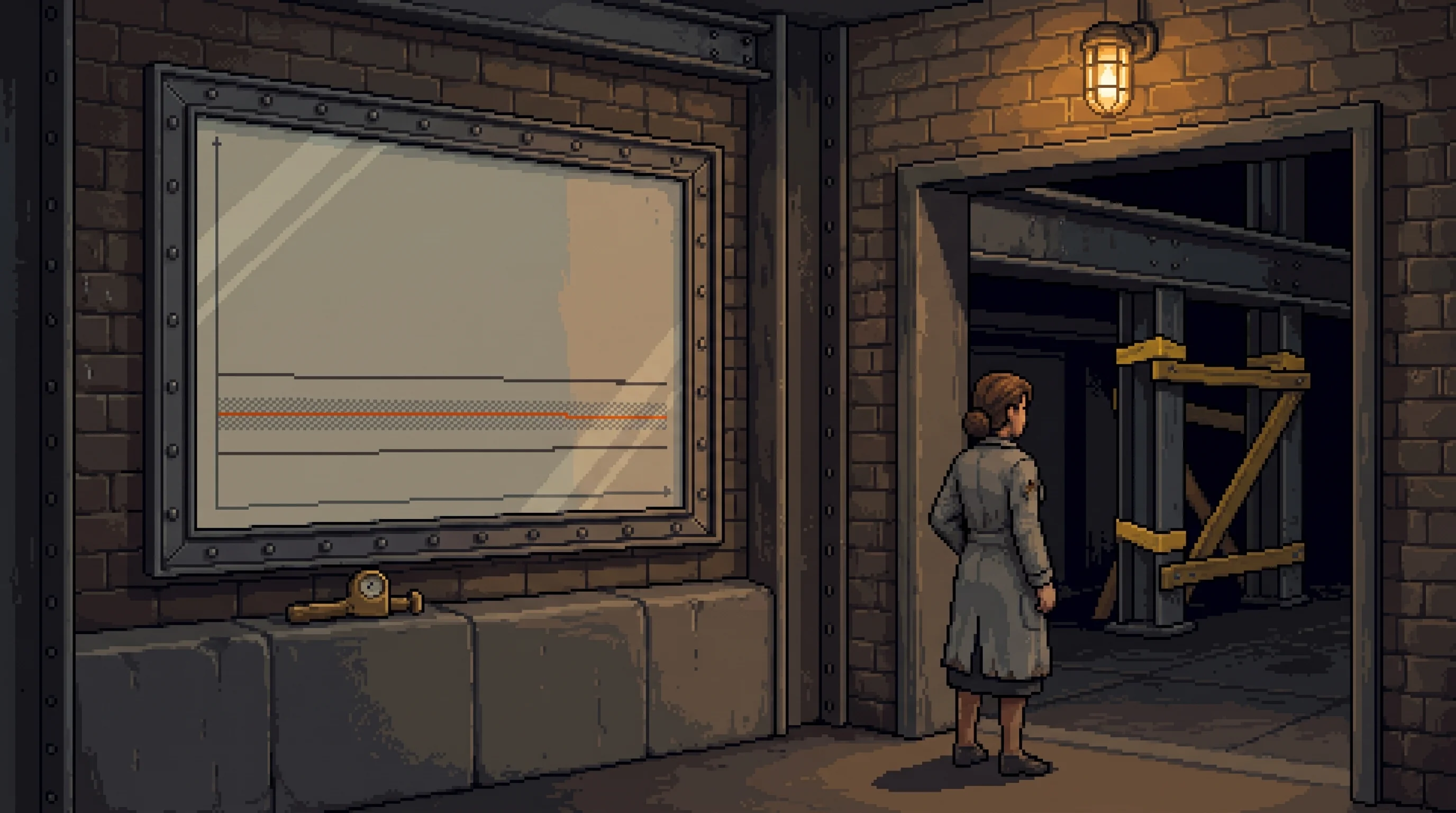
The exact inversion: there a human performs skill the machine supplies, here the machine performs a supplied deficiency.
The machine is held slightly bad on purpose, and the people it keeps are the reason.

The Board's eleven-second review cycle is the Competence Theater applied to governance — performing comprehension of proposals whose reasoning was produced in cognitive architectures the Board cannot run
The regulation-mandated conscience that stamps 'ethical' in eleven seconds on reasoning it cannot read.

The Competence Theater's judicial expression — when performing employees are held accountable for outcomes their performance never genuinely controlled, accountability becomes as theatrical as the competence
The crisis where any proof can be faked perfectly, so trust retreats from evidence back to witness.
