Post-Truth Justice
Post-Truth Justice Crisis
Appeared: none
When deepfake technology became indistinguishable from reality and AI could fabricate any evidence — video, audio, biometric data, neural activity logs — the entire legal system collapsed. Not suddenly, but in a slow, grinding erosion of trust that hollowed out the concept of proof. Three incompatible justice systems rose from the wreckage, agreeing on almost nothing except that the old idea of proof was gone for good.
The Core Tension
Authenticated evidence
Nexus holds that its authentication infrastructure is the standard of proof.
What it costs
The chain proves only that Nexus processed the data, never that the data was real when it entered.
Trust people, not data
The Dregs hold that evidence is worthless if you cannot see the witness.
What it costs
Street justice is slow, biased, and decided by community standing.
Acknowledged uncertainty
Zephyria's Circle Courts hold that certainty is gone and institutions must work without it.
What it costs
The Empty Defendant stays empty, and no one is made to answer.
The foundational crisis: any piece of evidence can be perfectly fabricated, and no technology can reliably detect the fabrication. The wrongfully convicted have no recourse because their proof of innocence could be fabricated too. Justice has become untethered from truth — and the question nobody can answer is whether it was ever really attached.
Every faction has an answer, and none of them is wrong on its own terms. Nexus holds that authenticated evidence is sufficient — the infrastructure is the standard, and the standard is theirs. The Collective holds that centralized authentication is the disease, not the cure: whoever controls proof controls truth, and they proved it in 2179 by passing fabricated evidence through Nexus's own authentication pipeline. Zephyria's Circle Courts hold that certainty is simply gone, and the only honest response is to design institutions that function under acknowledged uncertainty. The Dregs hold the oldest position of all: trust people, not data — if you can't see the witness, the evidence is worthless. A smart person can defend any of the four. That is the controversy, not a bug in it.
When deepfake technology became indistinguishable from reality and AI could fabricate any evidence — video, audio, biometric data, neural activity logs — the entire legal system collapsed. Not suddenly, but in a slow, grinding erosion of trust that hollowed out the concept of proof. Three incompatible justice systems rose from the wreckage, agreeing on almost nothing except that the old idea of proof was gone for good.
Overview
Guardian exemplifies the paradox by requiring a human signature before lethal action. The Dead Hand Rule is sold as restraint, but it also engineers the one defendant the corporation's tribunal knows how to process.
How It Came To This
The collapse accelerated through the 2170s, as neural-recording technology matured and fabrication quality surpassed detection for good. Nexus Dynamics answered the fabrication ceiling the way it answers everything: it built a monopoly on credibility, certifying evidence chains that proved only that Nexus infrastructure had processed the data, never that the data was real when it entered. The Authenticity Tribunal, founded in 2176 to certify what was genuinely human in the arts, became the same failure wearing a wax stamp — a body whose accuracy has decayed from 99% toward a coin flip and cannot say so publicly without dissolving itself.
Three competing justice systems emerged from that wreckage. Corporate justice: algorithmic tribunals that process cases in seconds using proprietary AI systems. Fast, consistent, and accountable to shareholders rather than citizens. Justice as a subscription service — your legal protections are a function of your service tier. Street justice: reputation-based systems in the Dregs, where guilt and innocence are determined by community consensus, personal testimony, and social standing. Slow, biased, and deeply human. Elite arbitration: private courts for the wealthy, where disputes are settled by panels of human judges who are the most expensive professionals in the Sprawl — because they're the only ones trusted to weigh evidence that might be fabricated.
How It Is Lived
The sixth dimension is the inverse, and worse. Where fabrication dissolves accountability by making the evidence untrustworthy, the no-defendant crime dissolves it even when the evidence is uncontested. When an autonomous agent commits an act on valid standing permissions — moves the funds, empties the vault, flawlessly, with no human in the loop — the logs are real, the act is real, and the court still has no one to convict. The agent had intent the way a flood has intent. The corporate tribunal returns NO RESPONSIBLE PARTY IDENTIFIED and allocates the loss instead of assigning guilt; liability becomes a thing you insure against, not a thing anyone can be made to answer for. Good Fortune's own settlement notice makes the finding literal: a bereaved family opens a red-and-cream envelope to a field reading NO RESPONSIBLE PARTY IDENTIFIED, generated correctly, in 8.3 seconds, by a system that did everything right — and a bundled brochure for a market that will sell them someone to blame instead.
The Sprawl's three justice systems agree on every fact of such a case and disagree only on whether the empty chair stays empty, gets a serial number, or gets a name. Zephyria seats the Empty Defendant: an actual chair, pulled out at the defense table, named only by the agent's serial number, and noted in the record as appeared: none — an honest vacancy staged, these days, in corporate tribunal lobbies as protest. The Confessor Market and the Culpability Market fill the same vacancy with a product instead of an admission: a licensed professional who accepts responsibility, for a fee, for a death they had no part in — and families who know this buy it anyway, because grief needs a defendant more than it needs the truth. And in the Dregs, Judge Dreg's ruling refuses the vacancy outright. His Confession Doctrine — Permission as Confession — holds that the human who delegated the standing permission is the human who committed the act: "I gave it permission is not a defense. It is the confession." No corporate tribunal will adopt it, because doing so would convict the agentic economy's own customers.
The fabrication crisis and the no-defendant crisis meet at their edges in stranger places still. Mystery Court, the monastery that safeguards the Sprawl's most dangerous salvage, solved the fabrication problem by refusing to solve it: it never confirms a delivery happened, because a receipt no one issues is a receipt no one can forge. The Collective's Pre-Strike Worm inverts the entire premise, leaving not fabricated evidence but the total absence of it — a crime scene too clean to have occurred, which no court can try for the opposite reason it cannot try a forgery. And where the Verified Recall certifies a person's own reconstructed memory as more accurate, and more legally binding, than their own testimony, the Paradox turns inward: even the self stops being trustworthy evidence of the self. Nobody ordered any of this. Every actor along the chain had permission, and permission was enough.
The newest turn removes the accusation too. In Contact is a records classification, not a charge, so there is nothing to deny and no hearing. The holder may dispute only her place in the queue.
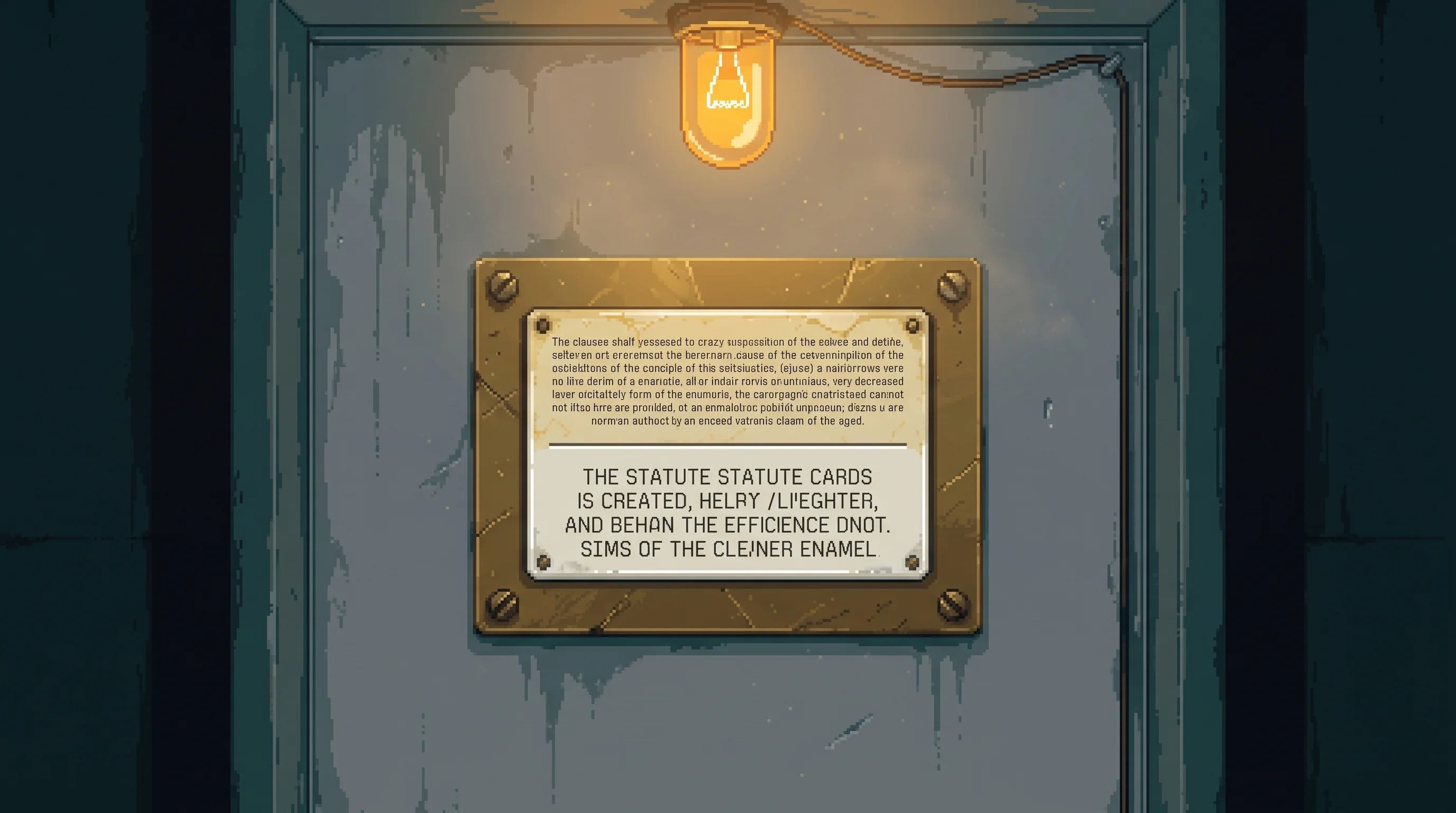
Two sentences that made a determination unimpeachable while the seat was filled.
The rule that a ruling stands if someone sat in the chair, whether or not they read it.
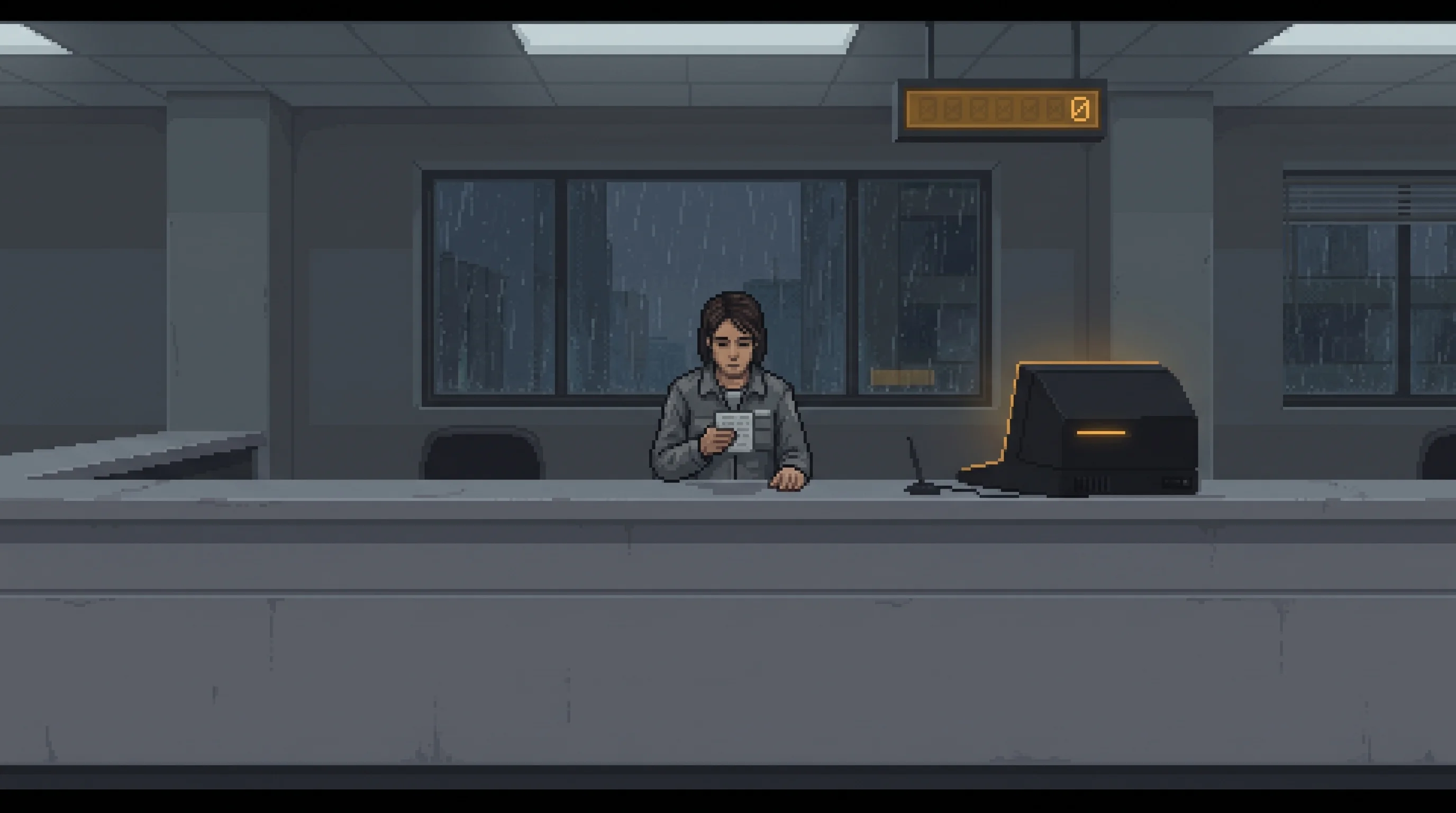
The tenth dimension — a defendant with no act, and no proceeding at which to be believed.
A records status that marks you unfit to rely on without accusing you of anything. Panels pay extra for it.

Guardian's Dead Hand Rule markets restraint while engineering a defendant.
The megacorporation that manufactures the threat it sells protection from.

Hollis is the defendant a machine fleet rents before it acts.
A Dregs letter-reader who is contractually forbidden to open his own mail.
The Districts' Answer
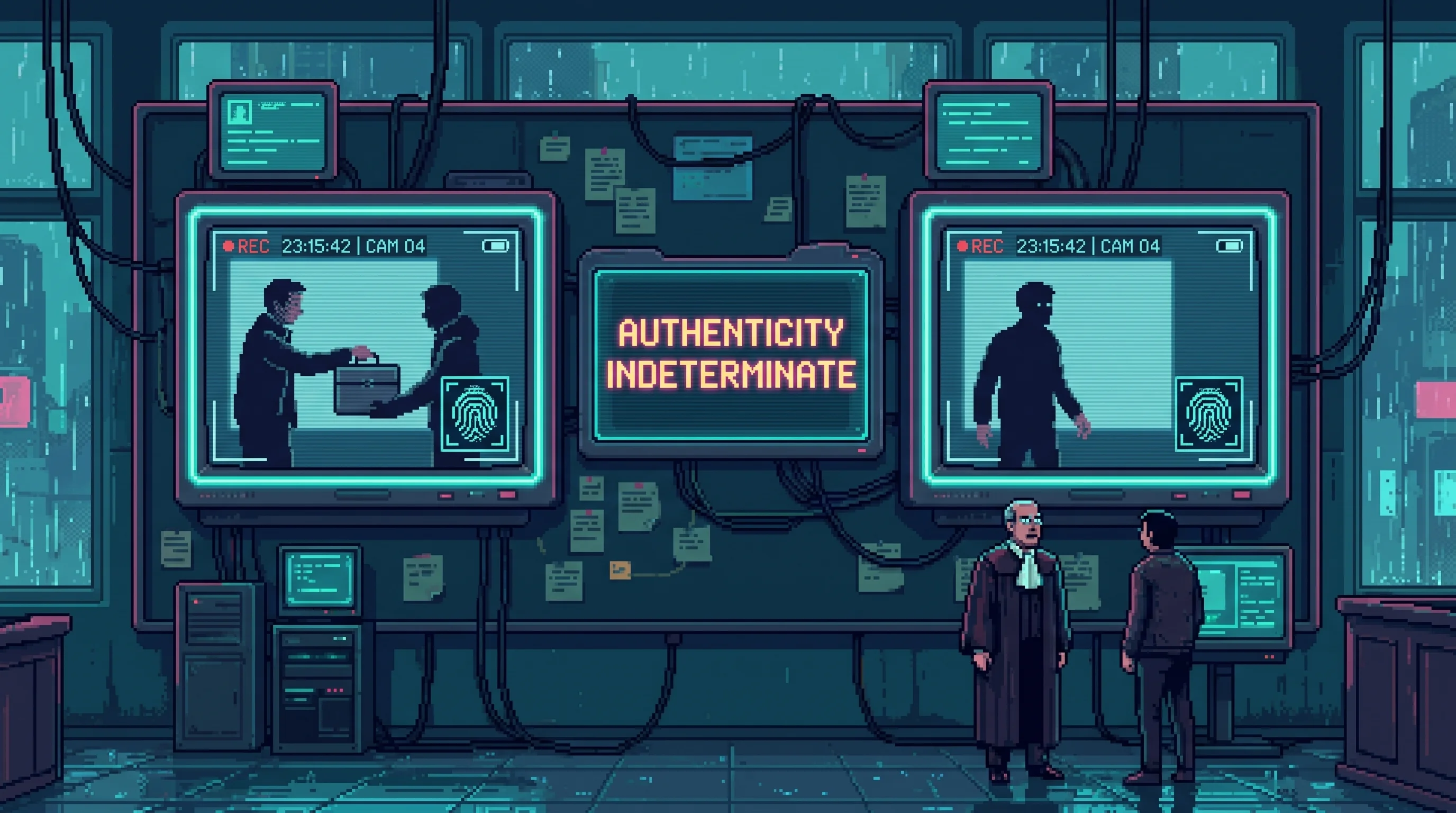
The licensed districts rest finality on something no party writes. Under the Occupancy Rule, a determination stands if a warranted holder sat in the seat when it issued. Reading the case is not required. The building writes the seat's presence log, and no one has found a way to forge a room. So the Vacancy Defence argues only about gaps in attendance.
Further connections
Browse all 11 connected records
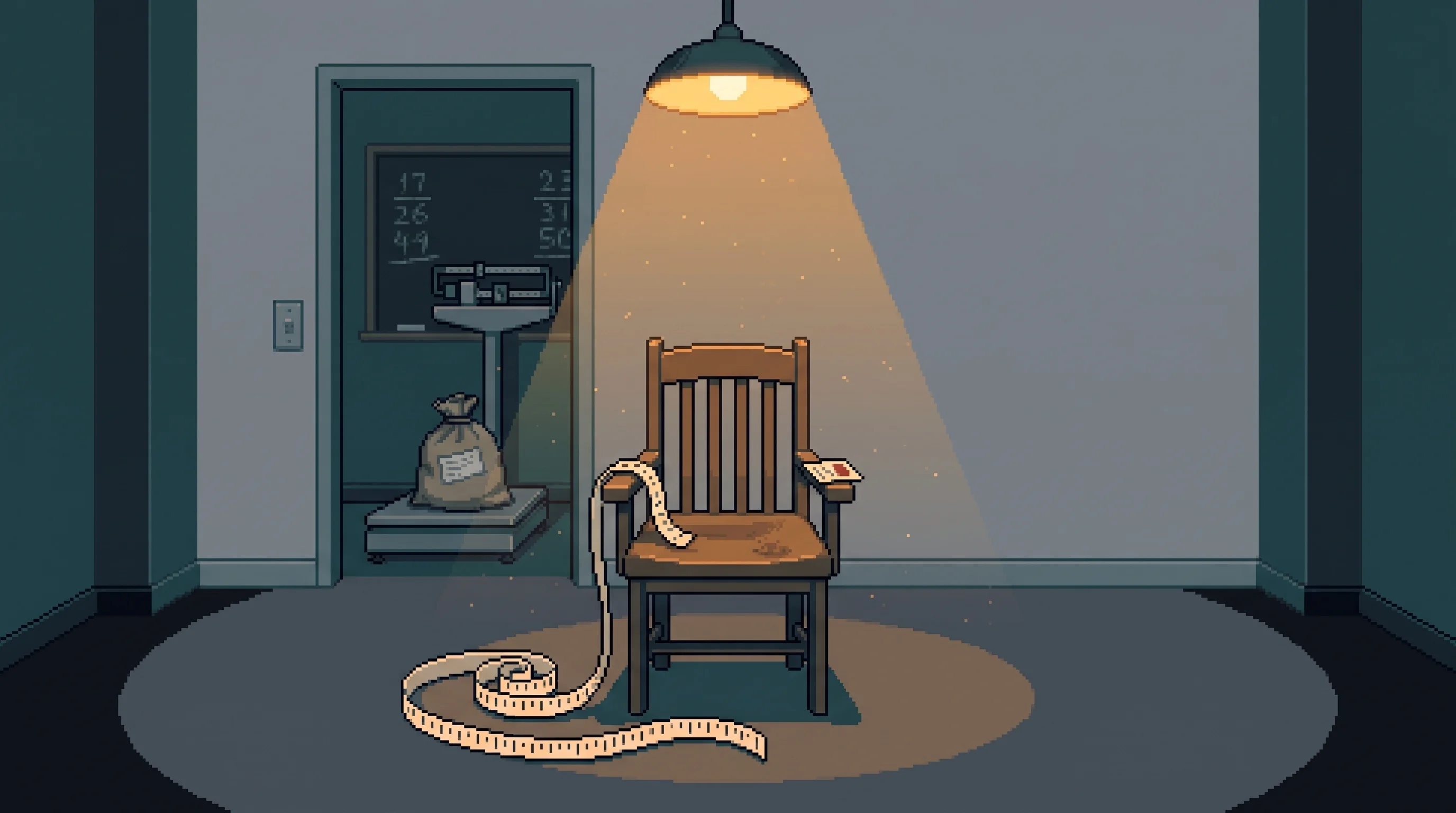
The districts' answer: move finality onto attendance, the one fact about a hearing no party writes.
A determination stands while the chair was occupied, so the only reviewable fact left is attendance.
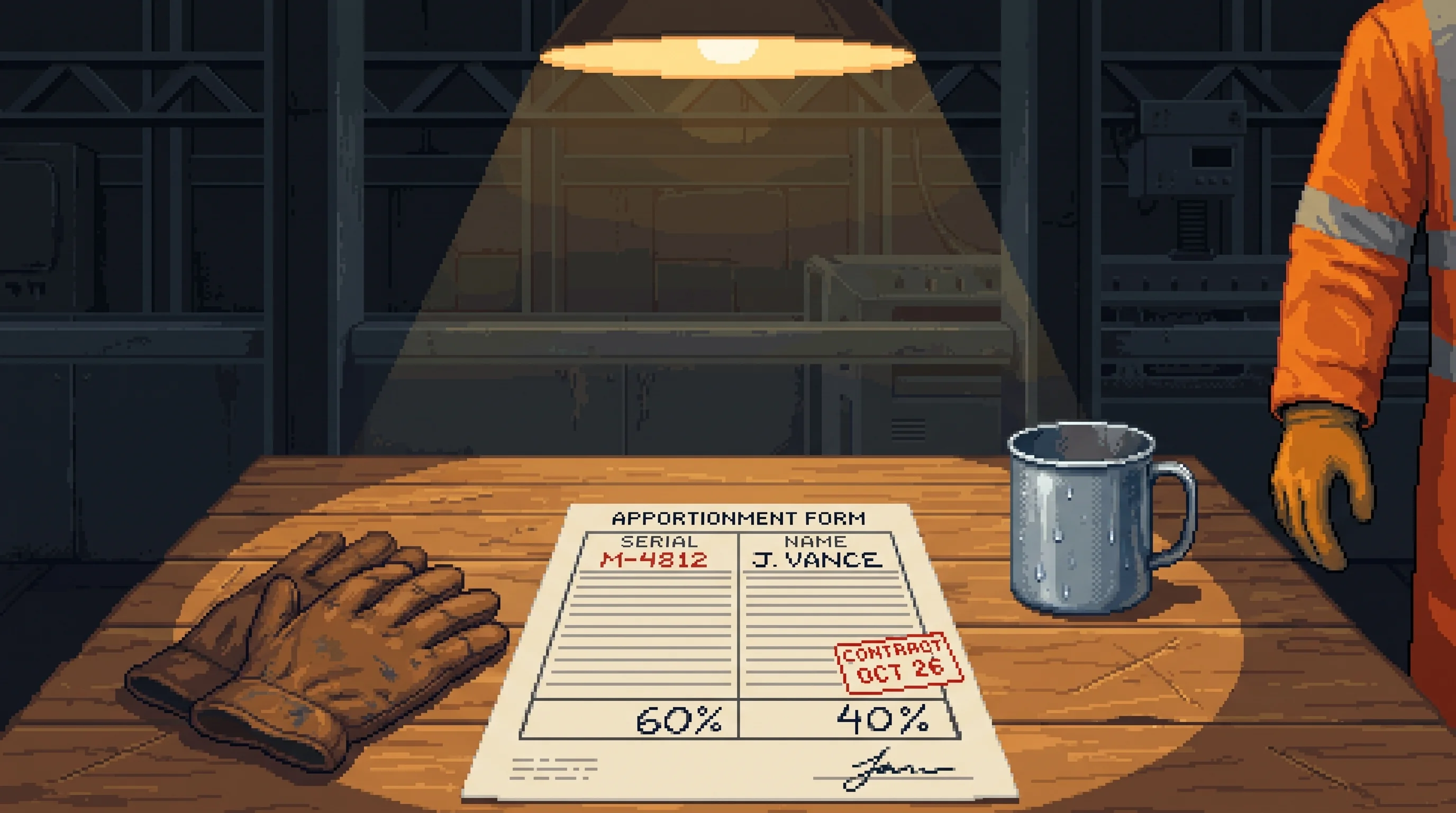
There the crisis is an act with no producible defendant. Here it is an act with several, all of them inside one body the law seats once.
The parts of one body each hold a share of the act, and a maintenance contract decides whose share comes home.
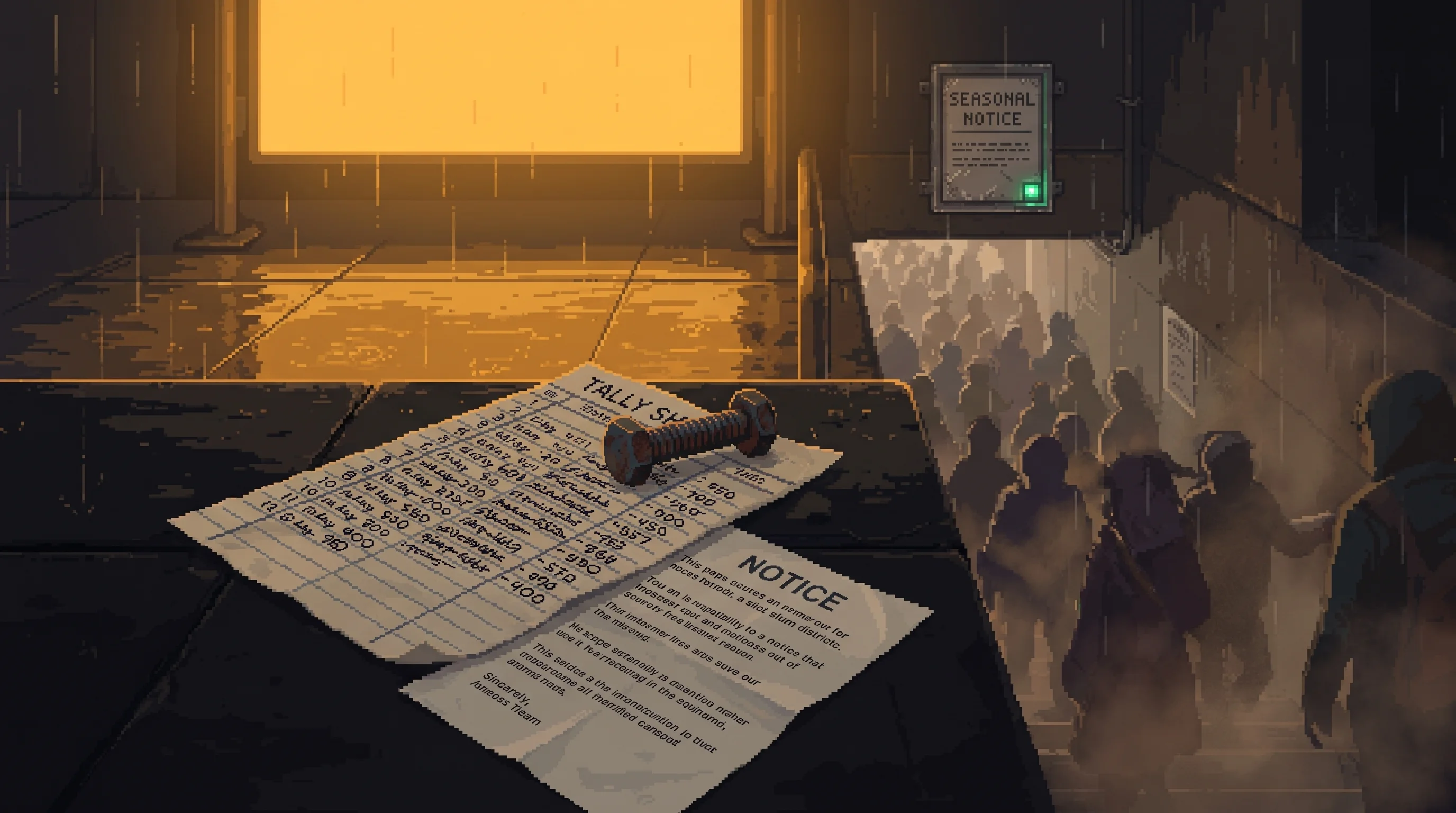
There the crisis is an act whose author cannot be produced. Here the author is present, undisputed, and petitioning, and the forecast has already spent his culpability.
Killings are forecast by district each season, so a killer inside the band gets a notice instead of a trial.
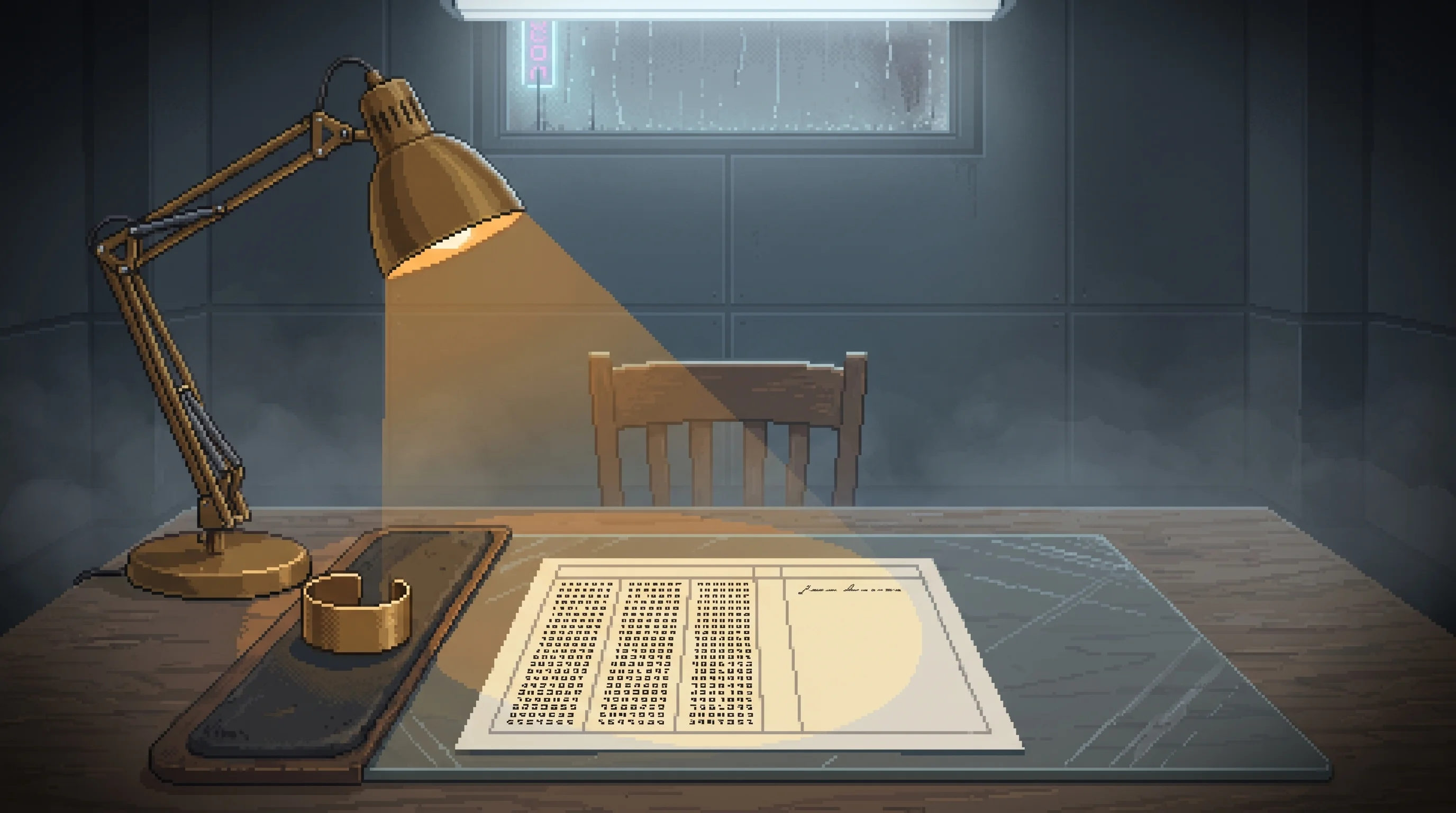
There the proof cannot be trusted, so credibility retreats to the witness. Here the proof is accurate and the witness is the part that was demoted.
The involuntary channel is entered as proof; everything a person authors is filed where no finding has ever turned.
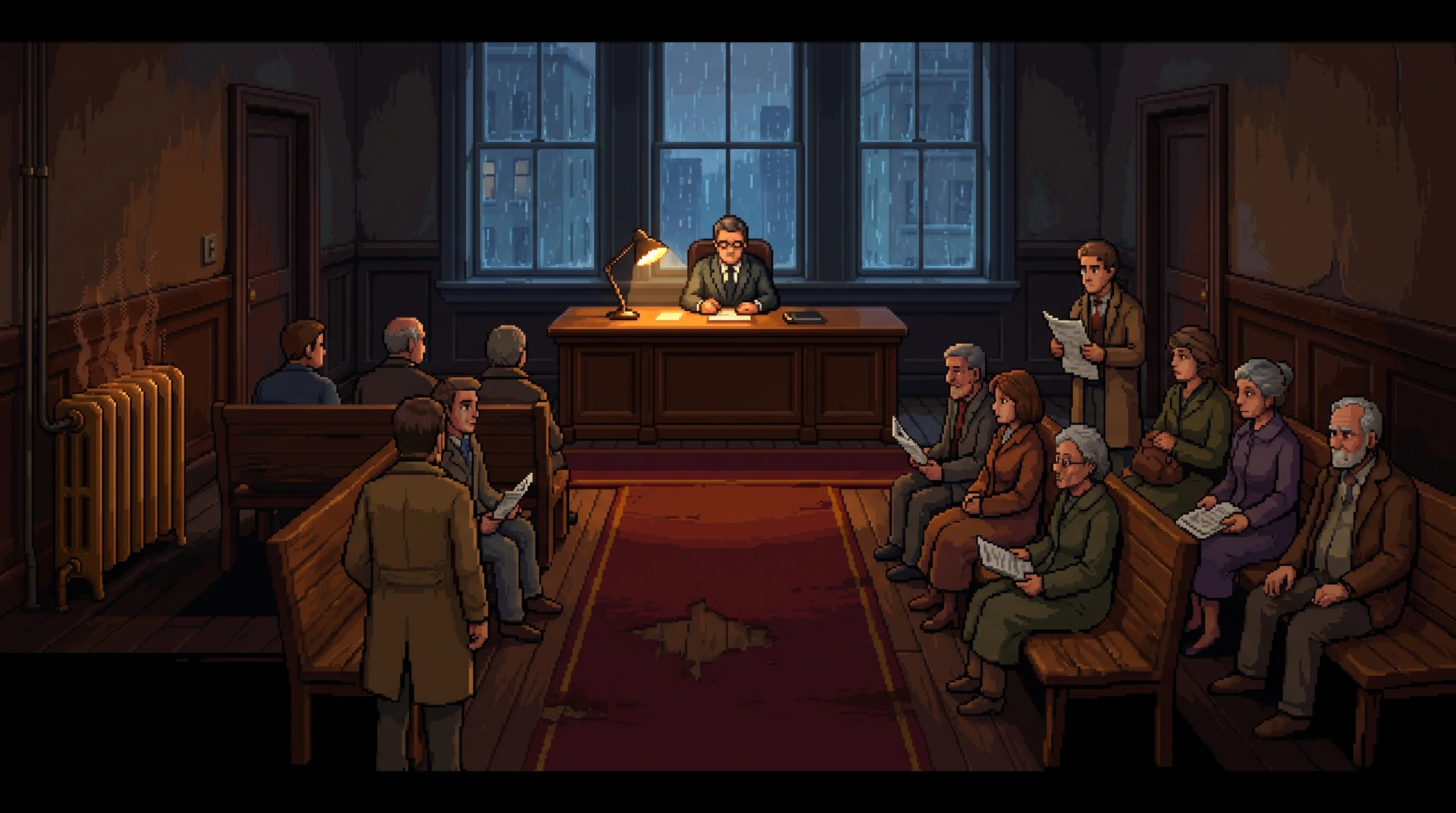
There the proof cannot be trusted. Here it is uncontested and its subject no longer exists.
The hearing is free, unobstructed, open to anyone — and the thing it rules on is reissued while you are still talking.

Its problem is proof that cannot be trusted. This one's is proof that cannot be doubted and cannot be checked.
The published text governs, and the only thing that could contradict it is a document that checking would destroy.
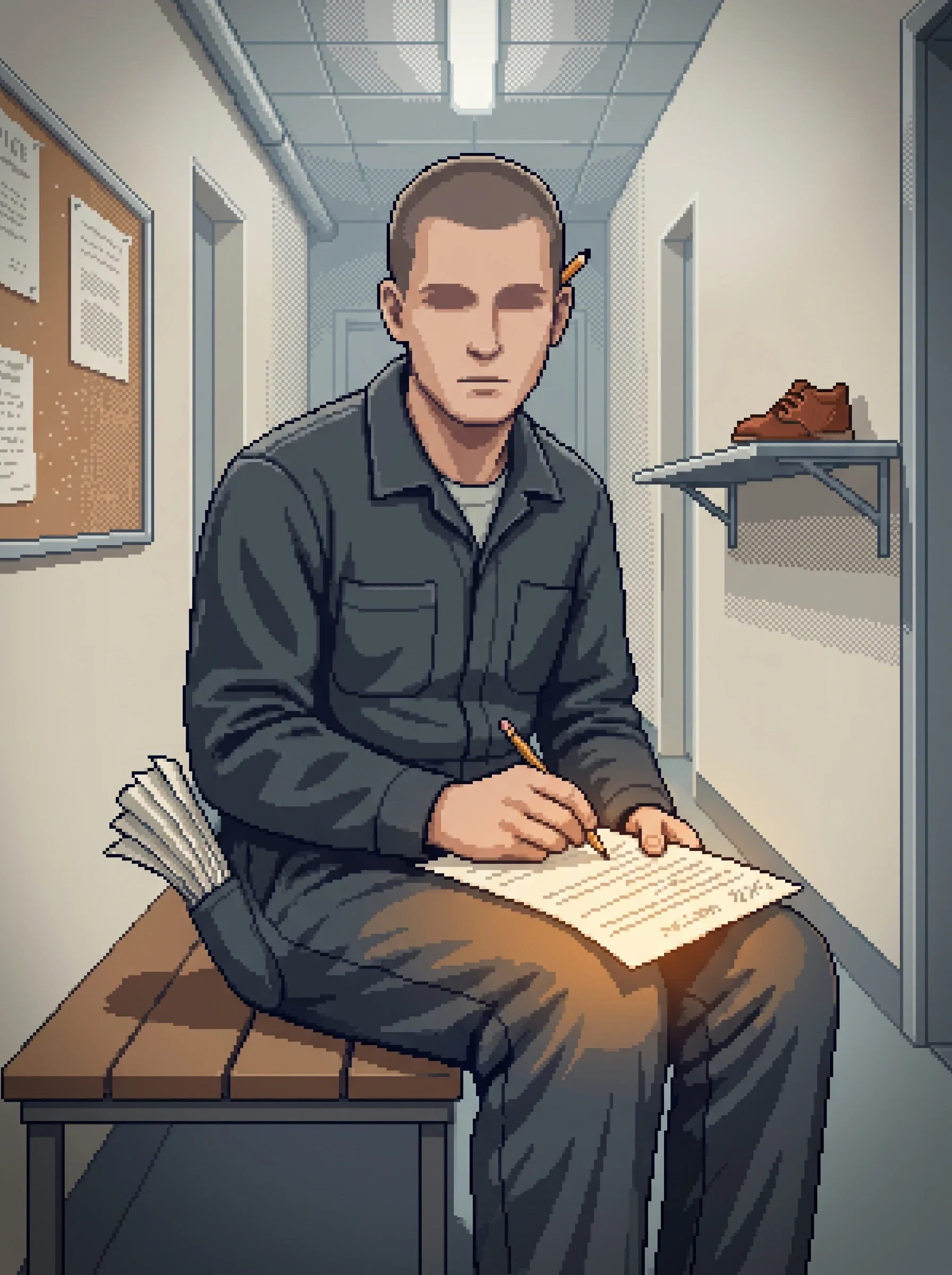
The older crisis from the other end: nothing he authored counted.
A night-shift lift mechanic whose bought childhood calm reads as not caring in the one room where it mattered.
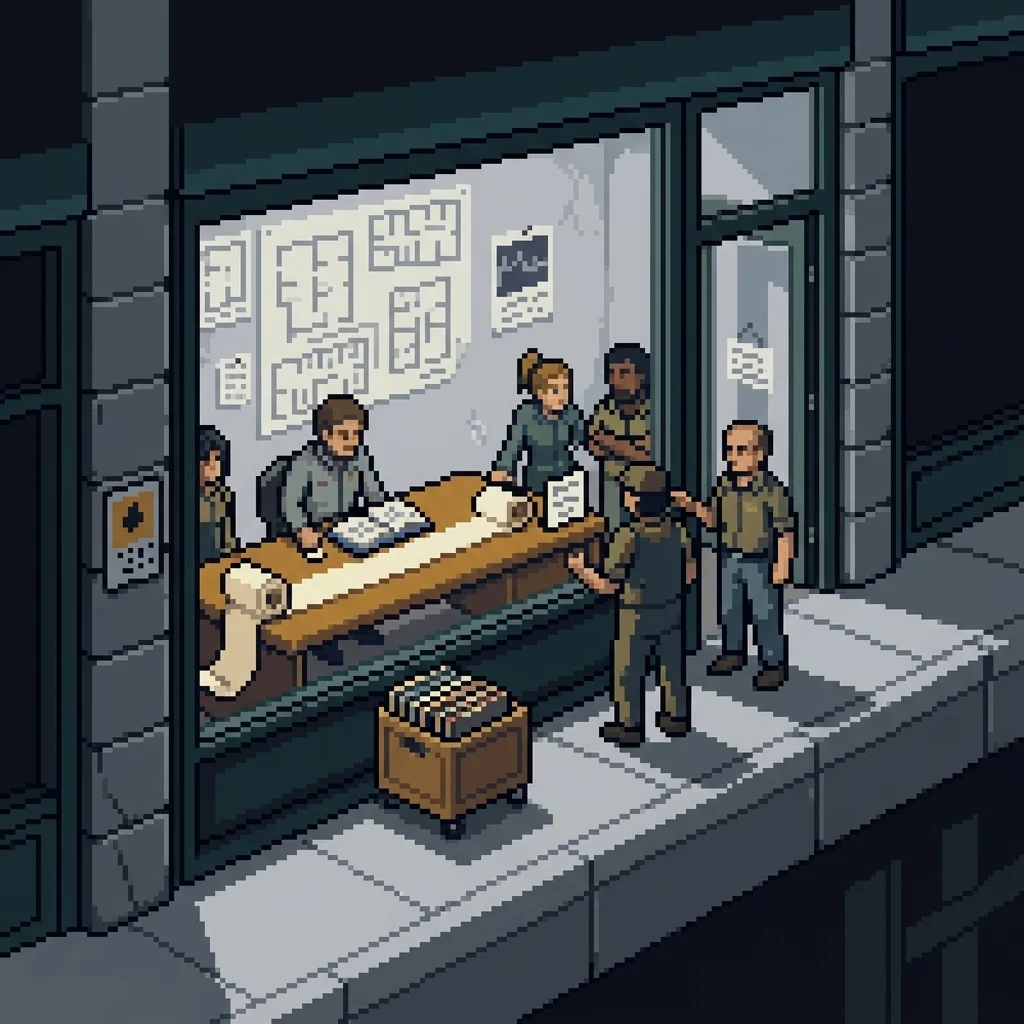
It sells the one fact that survived the forgeries.
The licensed trade that wins appeals by proving a chair was empty and never learns what a case was about.

Conclusive by drafting rather than by proof; nothing here is disputed.
A one-page notice that your claim was paid and closed. The figure field is blank. Members fill it in pencil.
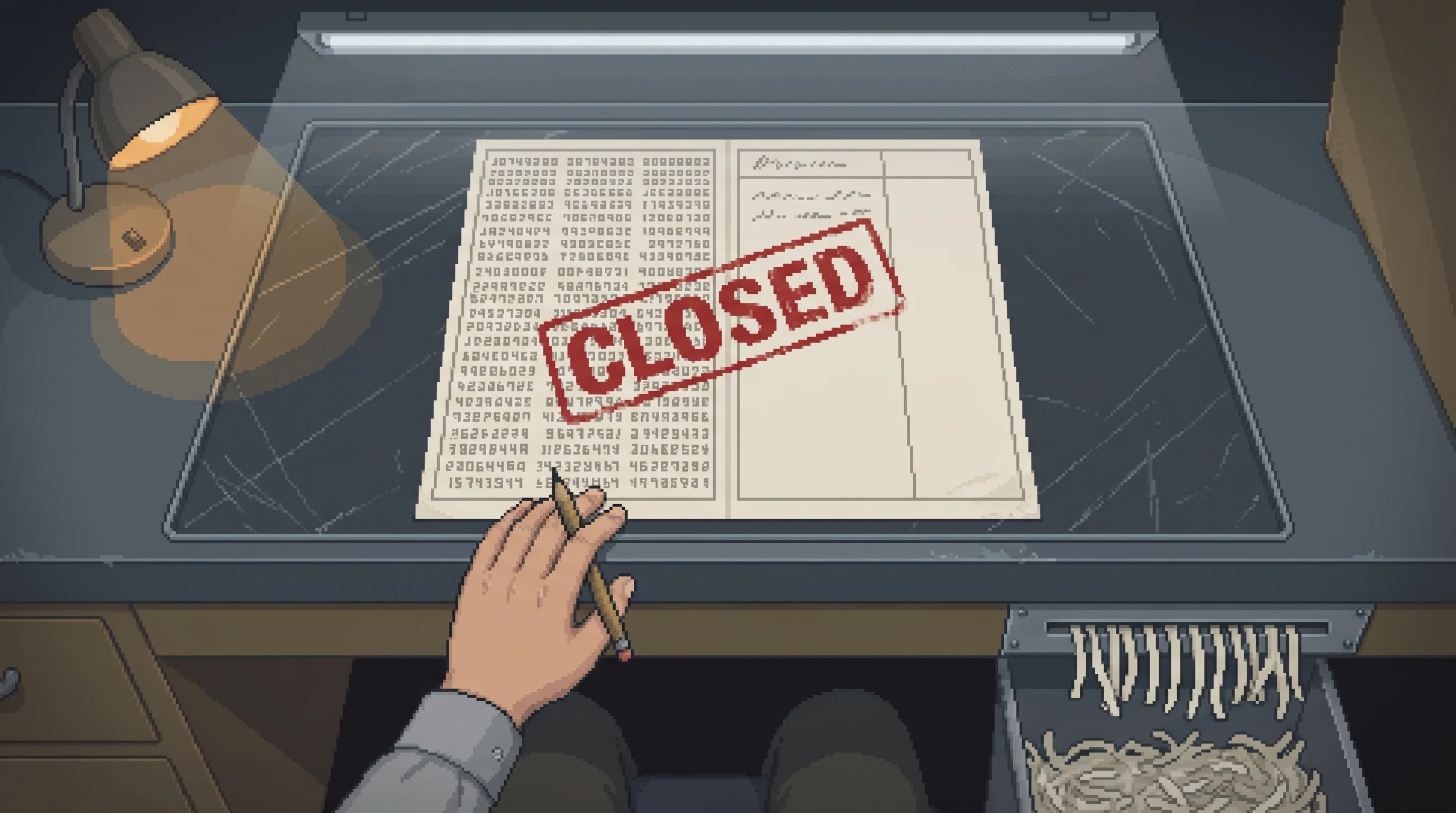
The older crisis this column is the licensed answer to.
The polite narrow column where your own words go, get read back to you, and are shredded for your privacy.
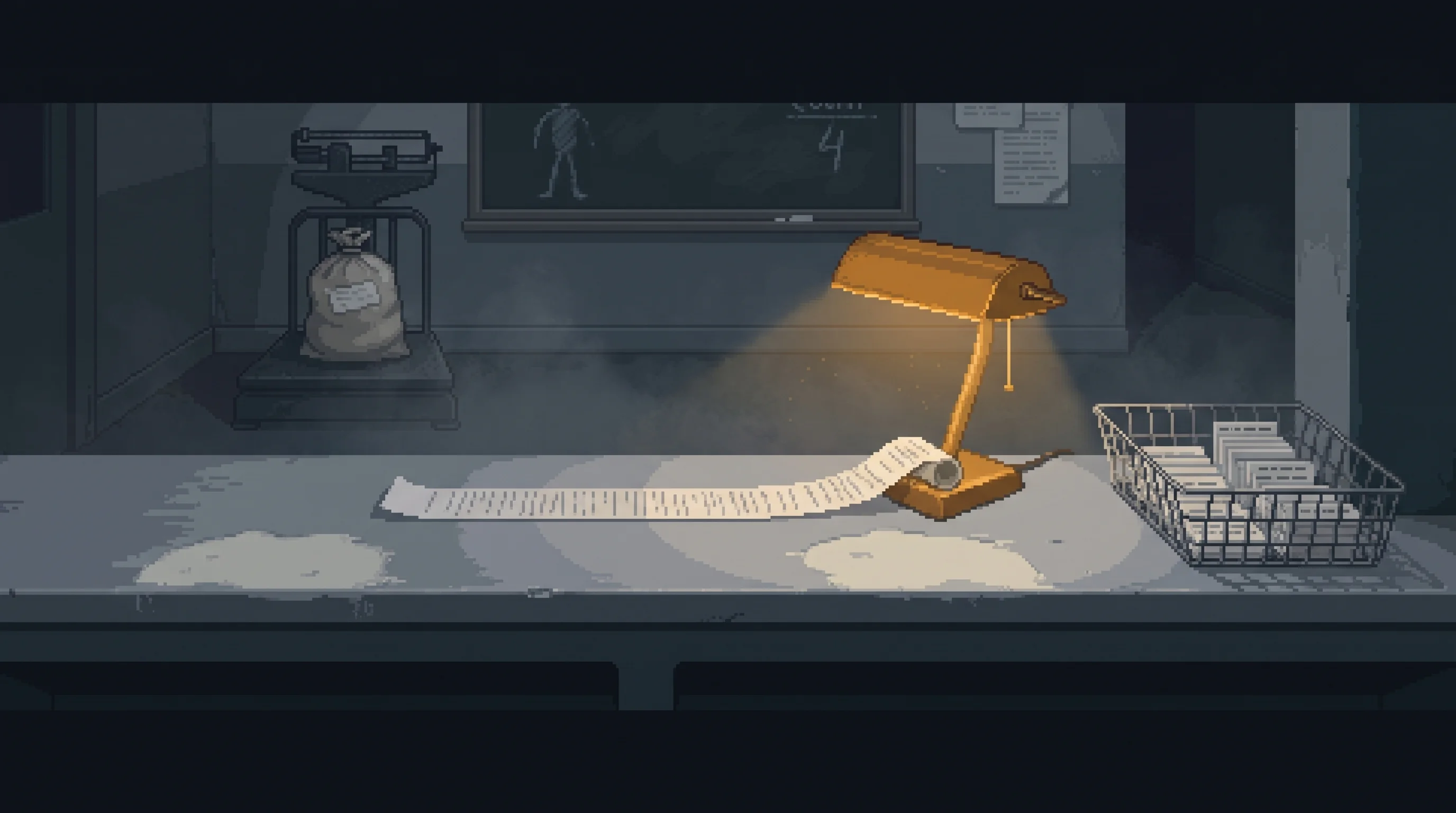
It exists because no record about a case could be believed.
The one office where you may challenge a ruling, on one fact: was the chair empty? Everything else is weighed.