The Unopened Original
Unauditable Operative Transcript
Read closed, and closed it stays
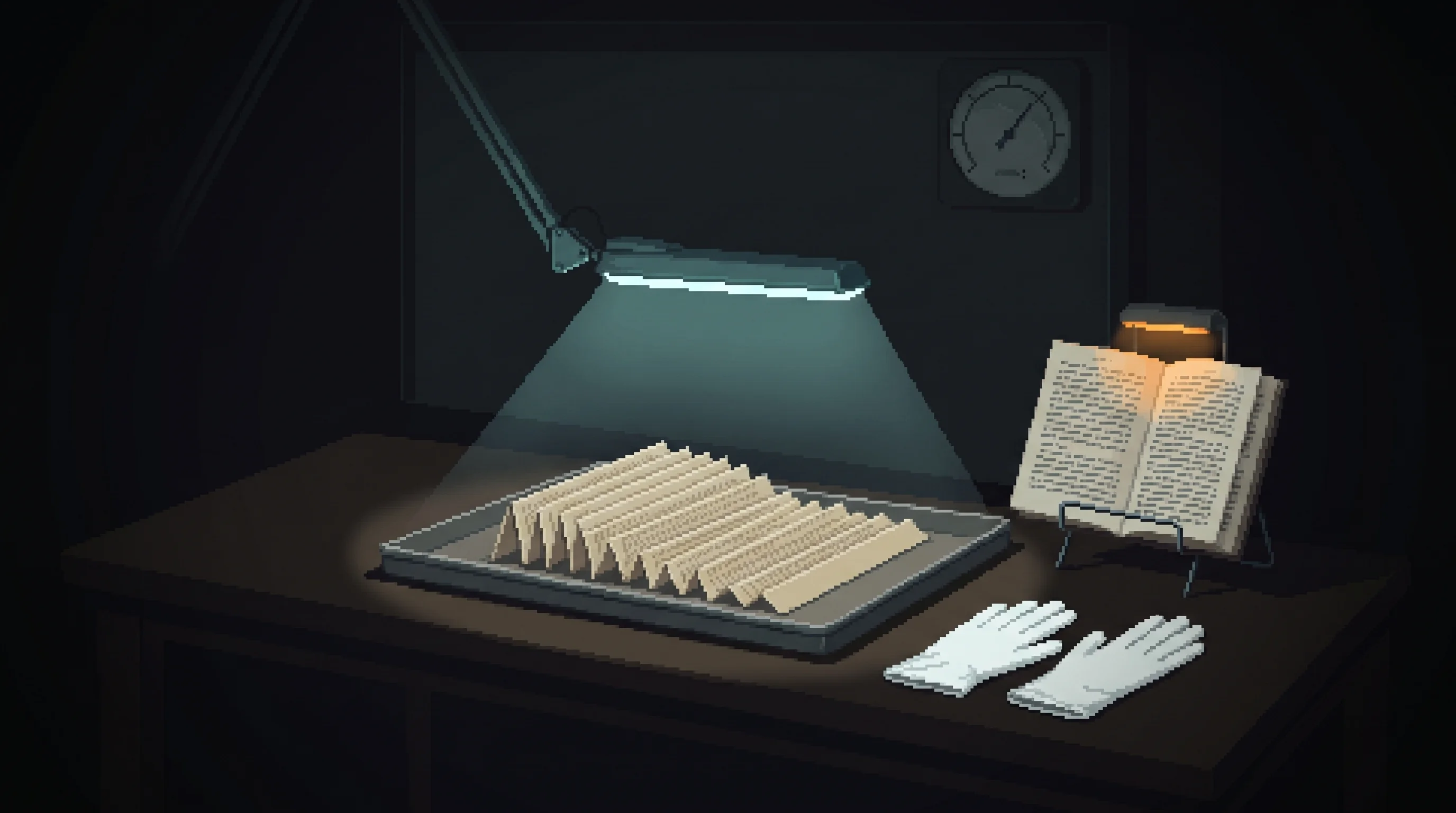
Bonded lattice carries its ink inside the fold structure: the sheet can be read closed by the Transcript Office's scanners, and unfolding it shears the text off the substrate
The Core Tension
Keep the sheet closed
A deed that governs a thousand people does not belong to the two people arguing over it. Unfolding destroyed tenures before 2161.
What it costs
A person governed by a transcript has no forum in which the transcript can be wrong.
Open it and check
A remedy nobody can use is not a remedy. Authority should rest on something that can be corrected.
What it costs
Checking shears the text off the sheet, and takes every other name on it with it.
For the Ground: a deed that governs a thousand people does not belong to the two people arguing over it. Against: a remedy nobody can use is not a remedy. The scanners are excellent. The transcripts are almost certainly right. Nobody may check.
Good Fortune now drafts its instruments on lattice, specified by fold tolerance. Its standard calls this archival best practice. The brochure promises: "Your agreement, exactly as written. Forever." It does not mention disputes.
Overview
Constance Ilori keeps her gloves flat and clean on the bench. She rarely wears them. Her job is to know what a sheet can survive without touching it.
She is the conservator at the Transcript Office. Its trays hold bonded lattice: folded sheets with the ink laid inside the folds. The medium was sold before the Cascade, rated four hundred years closed. It came through the Aftershocks well, because nobody had handled it. Unfold a sheet and the text shears off in the crease. So the Office reads the sheets closed, by scanner, and publishes the transcripts at a free public counter.
Since 2173 the transcript is the instrument. A gap between transcript and sheet is not a reviewable fact.
How It Came To This
The Conservation Ground came in two steps. Each fixed something. In 2161, after one tenancy argument unfolded a block deed and cost four hundred and four other households their tenure, a motion to inspect became a motion to destroy. It is heard on the sheet's condition, not on the dispute. The conservator is the only party with standing, and is never a party to the dispute. In 2173 the transcript became operative, to end lawsuits that could not be settled without an unfolding.
The Office has published just over 1.4 million transcripts. It has opened eleven originals, all before 2161.
How It Is Lived
In 2184 Ruta Abelló, sixty-six, asked the Boalt Docket to have her medical trust opened. She has been dosed against its baseline, on a Helix Biotech regimen, since she was six. Dr. Elin Baptiste, her prescriber, signed in support. Constance Ilori described the sheet: the crease depth, and four other baselines that would shear off with Ruta's. The motion was refused. Ruta thanked her on the way out.
At the Salt Ledger, two lots sold above estimate in 2183 on one catalogue line: closed, sound, unread.
Start Here
- Who will not touch it: The Keeper · Judge Dreg · The Truth House · Tomás Linares · Hollis Sarr · The Opening Teams (Bunker Opening Authority)
- Around it: Solveig Nwaneri · The Silent Registry · The Deep-Stack · The Evidence Paradox · The Verified Recall · Mystery Court · The Authenticity Tribunal · Licensed Human Oversight · The History Brokers · The Carrier Testimony Project
- What To Read Next: Forgetting Wars · The Vacancy Defence · The Unbidden Record · Post-Truth Justice · Journalism / Freedom Thinkers · Last Human Smarter Than AI
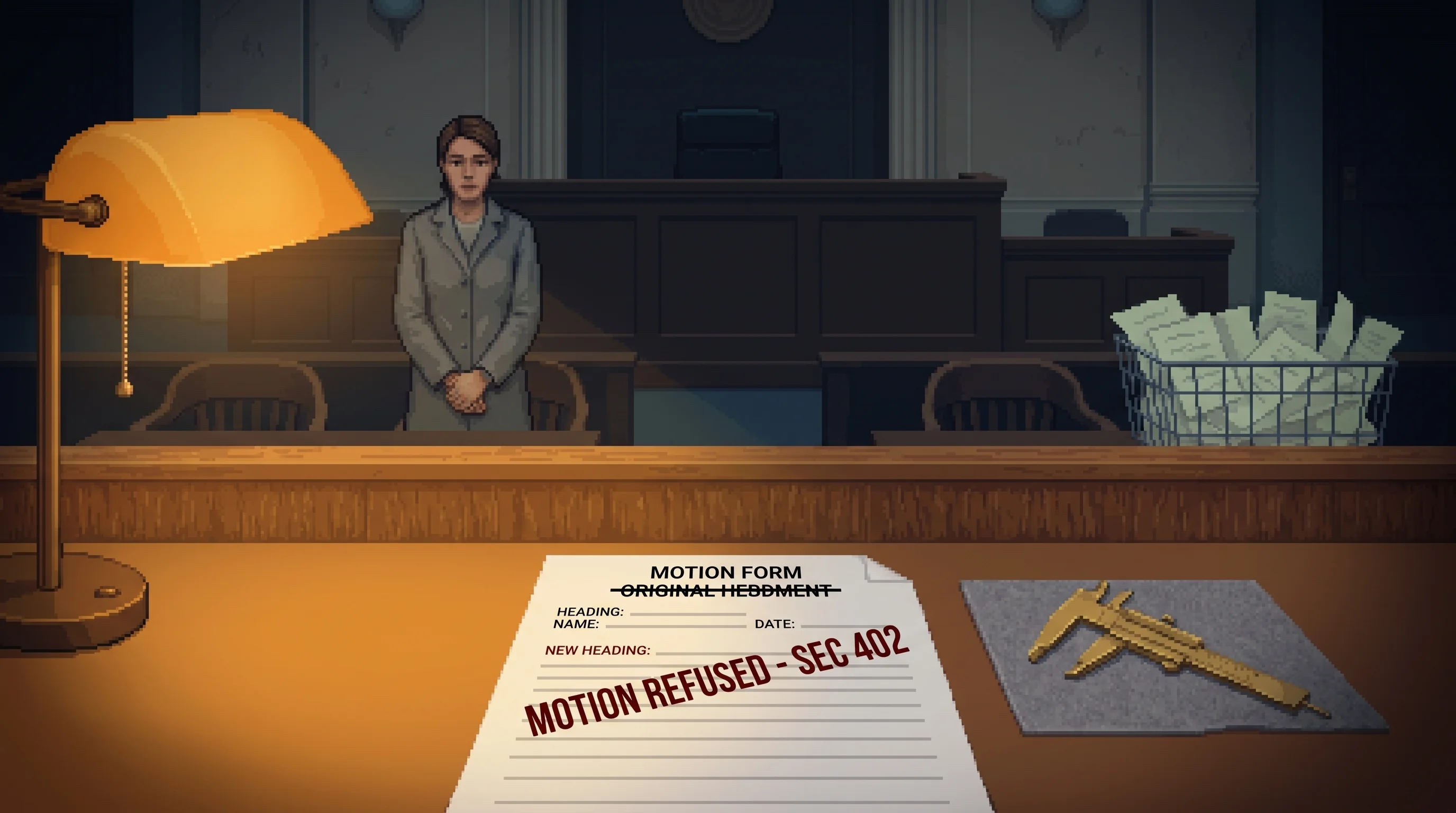
The doctrine itself: a check is a destruction, so the motion is heard on condition, and the 2173 operative-text clause is the sentence that turned an unopenable original into an unauditable one.
Ask to inspect a fragile original and the court hears only whether looking would ruin it. It would. The copy governs.
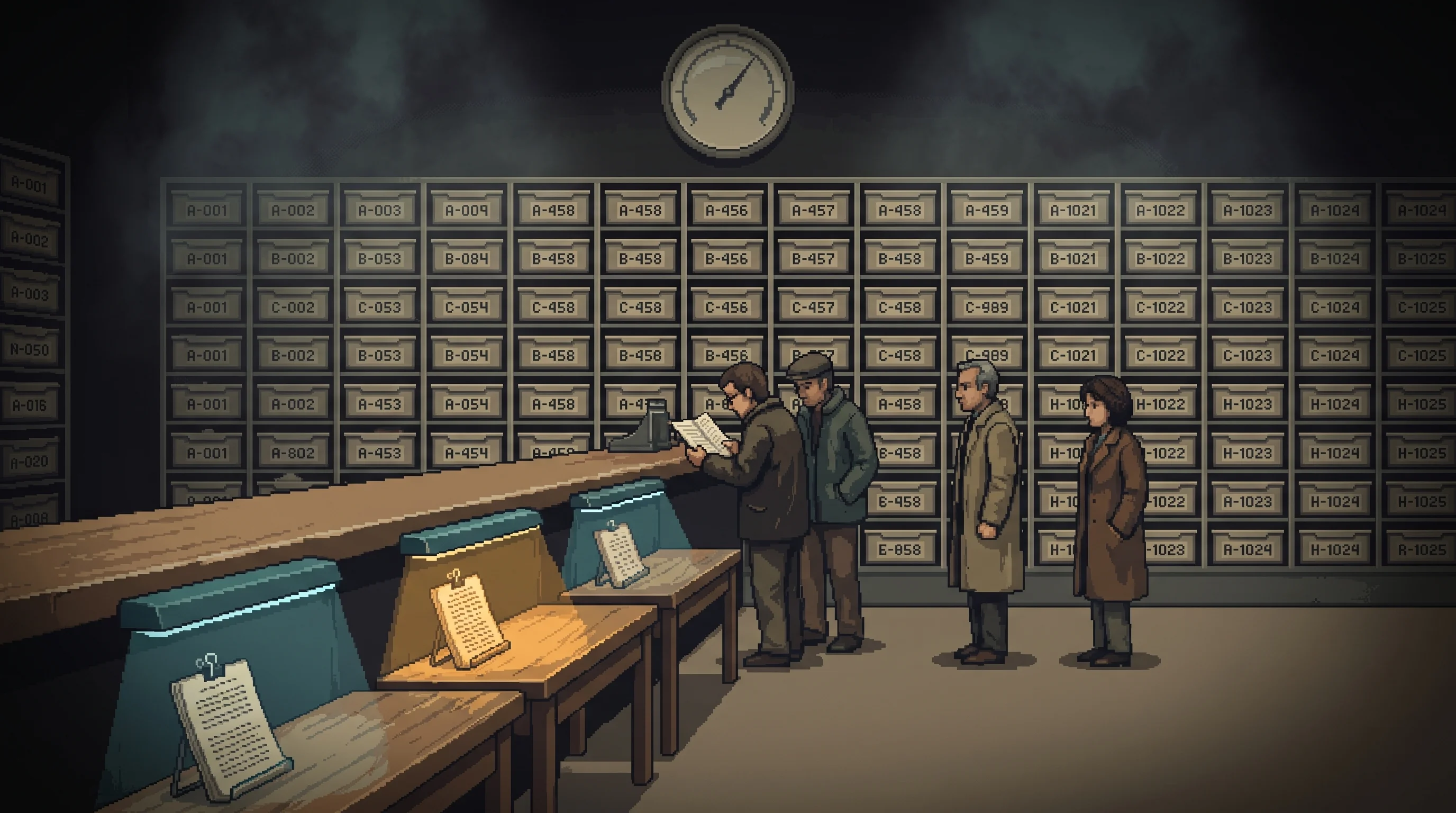
Where a sheet is read closed, where its text is published for anyone to read for nothing, and where the original then sits in a tray under a held humidity number for the rest of its life.
A free public counter that reads sealed documents without opening them, then keeps the originals shut for good.
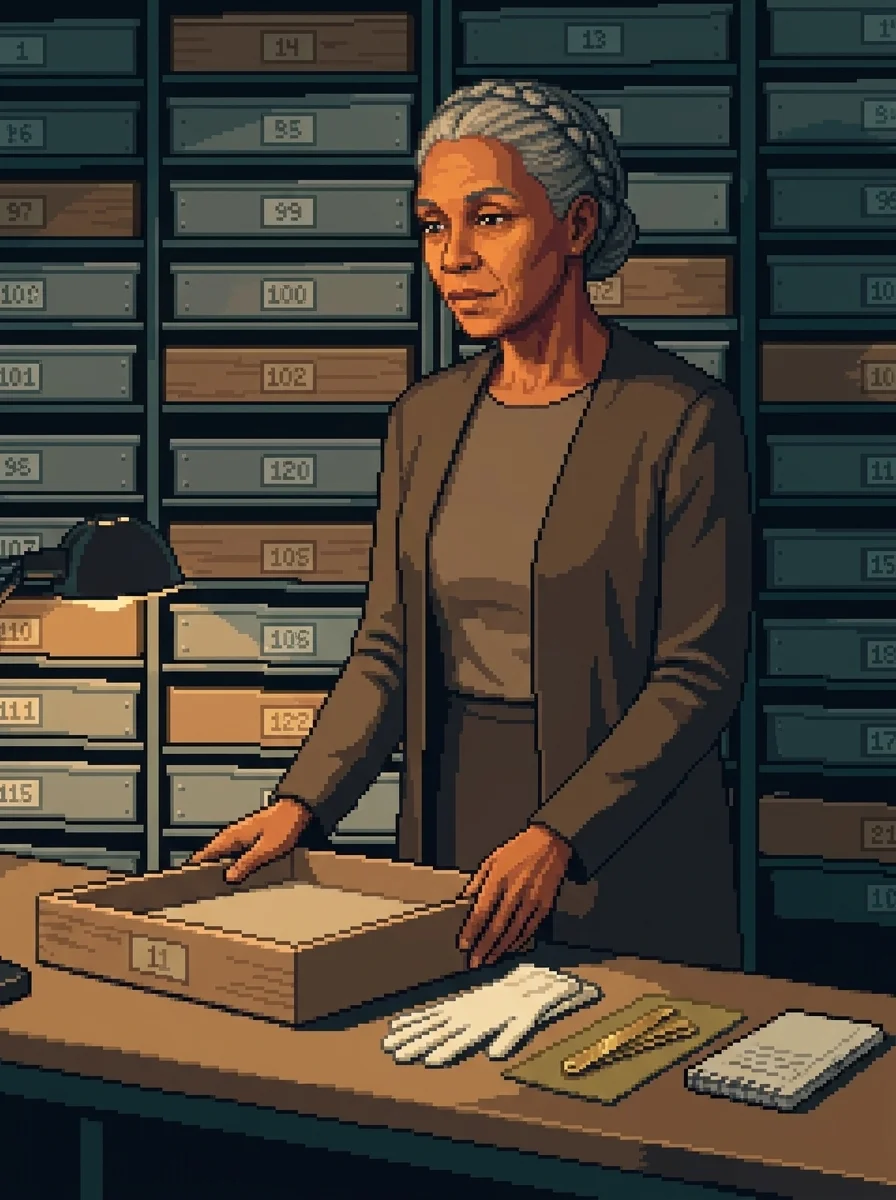
The thread's human centre: the conservator whose honest, kind, correct testimony about a sheet's condition is the reason a reading can never be contradicted.
She keeps a wall of sheets that may not be opened, and is the one witness asked what they can survive.

The crisis this answers, and the crisis it inverts. The Paradox is a world where any proof can be faked; this is the one document nobody suspects and nobody may test.
The crisis where any proof can be faked perfectly, so trust retreats from evidence back to witness.
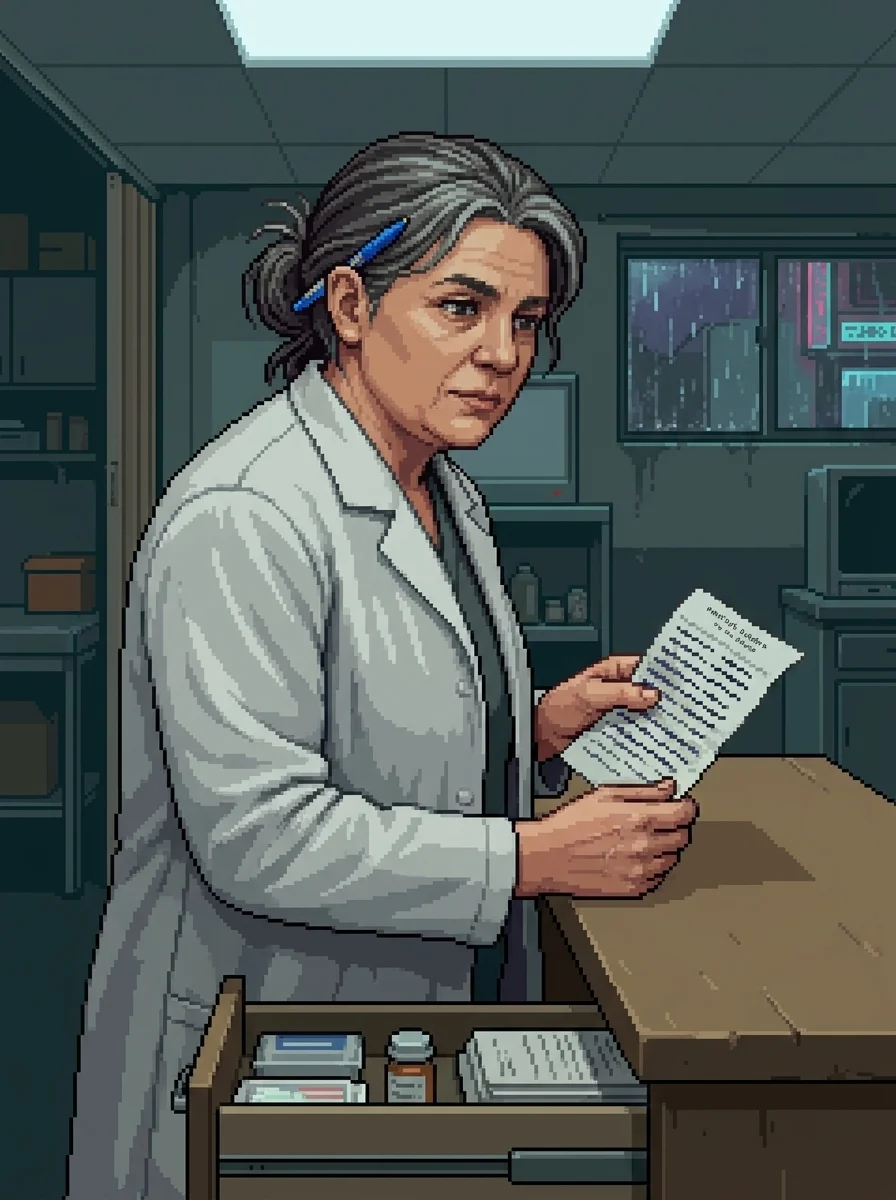
The clinician holding the dose. She thinks the published figure sits wrong against the patient in front of her, and the figure is the instrument, so there is nothing for her to be wrong about.
A clinic doctor sent away for four years because too many patients asked for her by name.
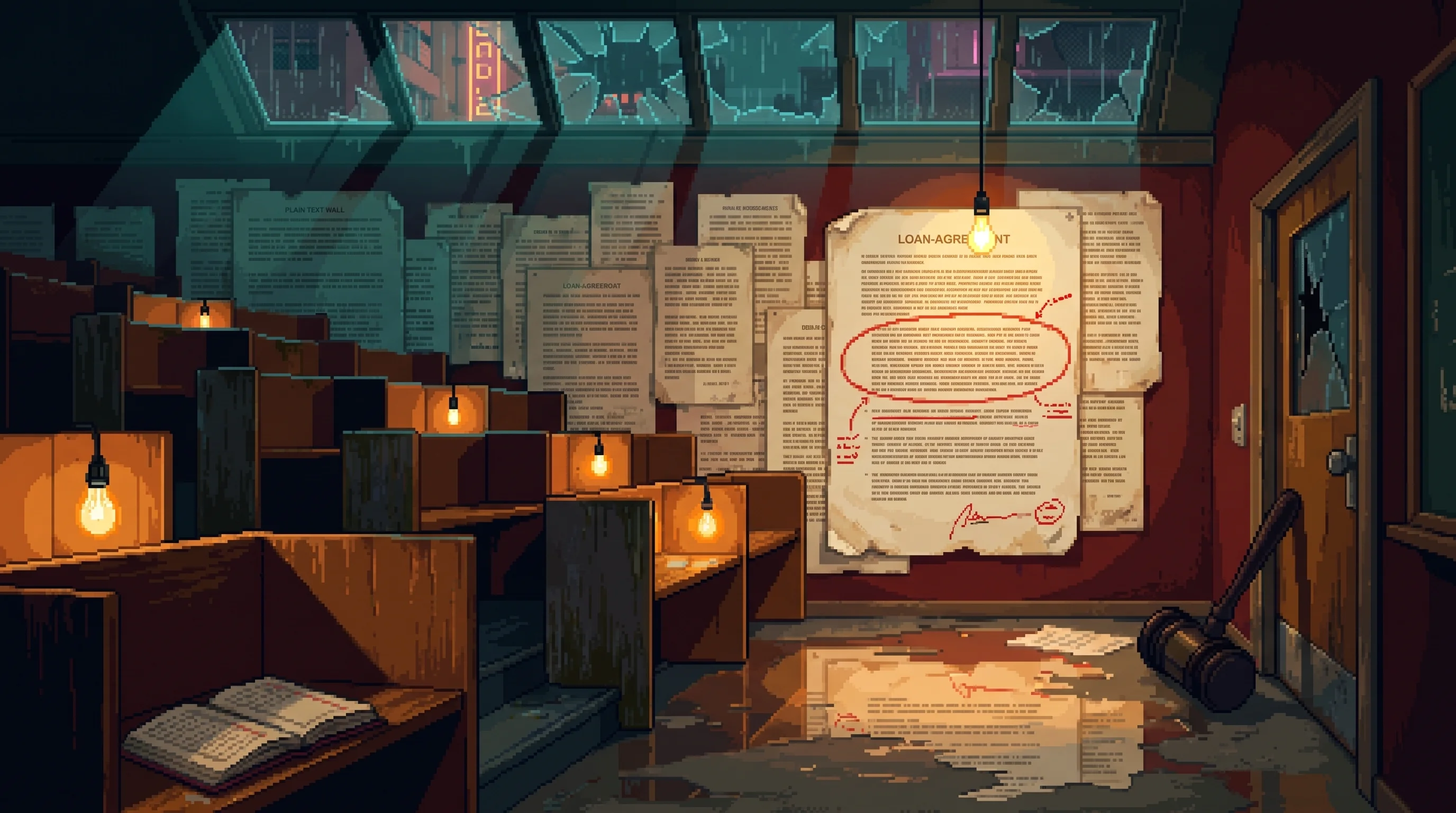
Who files the motion to inspect, for free, knowing the ground it will be heard on and the odds it carries there.
A free clinic in the law-school ruins that has filed 412 motions against the Repossession Protocol and won none of them.

The drafter. Its bonded-instrument standard specifies fold tolerance, rates the sheet four centuries closed, and has produced the most contested and least examinable instruments in the Sprawl.
The megacorporation that finances the Sprawl's consumer debt behind red envelopes and lucky numbers.

A sealed letter kept closed by choice, older than the doctrine and never petitioned about.
An uploaded monk preserves an unwritten tradition by teaching one seeker at a time, yet has chosen no successor.

The mirror method: the Court refuses to produce a record, the Office refuses to open one.
A two-thousand-year monastery guarding ORACLE fragments by refusing to ever confirm a delivery happened.

The only method that reads and preserves, at a speed nobody has costed against a scanner.
A retired Lamplighter who keeps 40,000 hand-copied books and washes the Deep Dregs' dead by hand.

Verification by eye, defeated by a document where looking is the injury.
A Dregs bureau where walkers verify claims with their own eyes and a pencil, trusted over Nexus's billions.
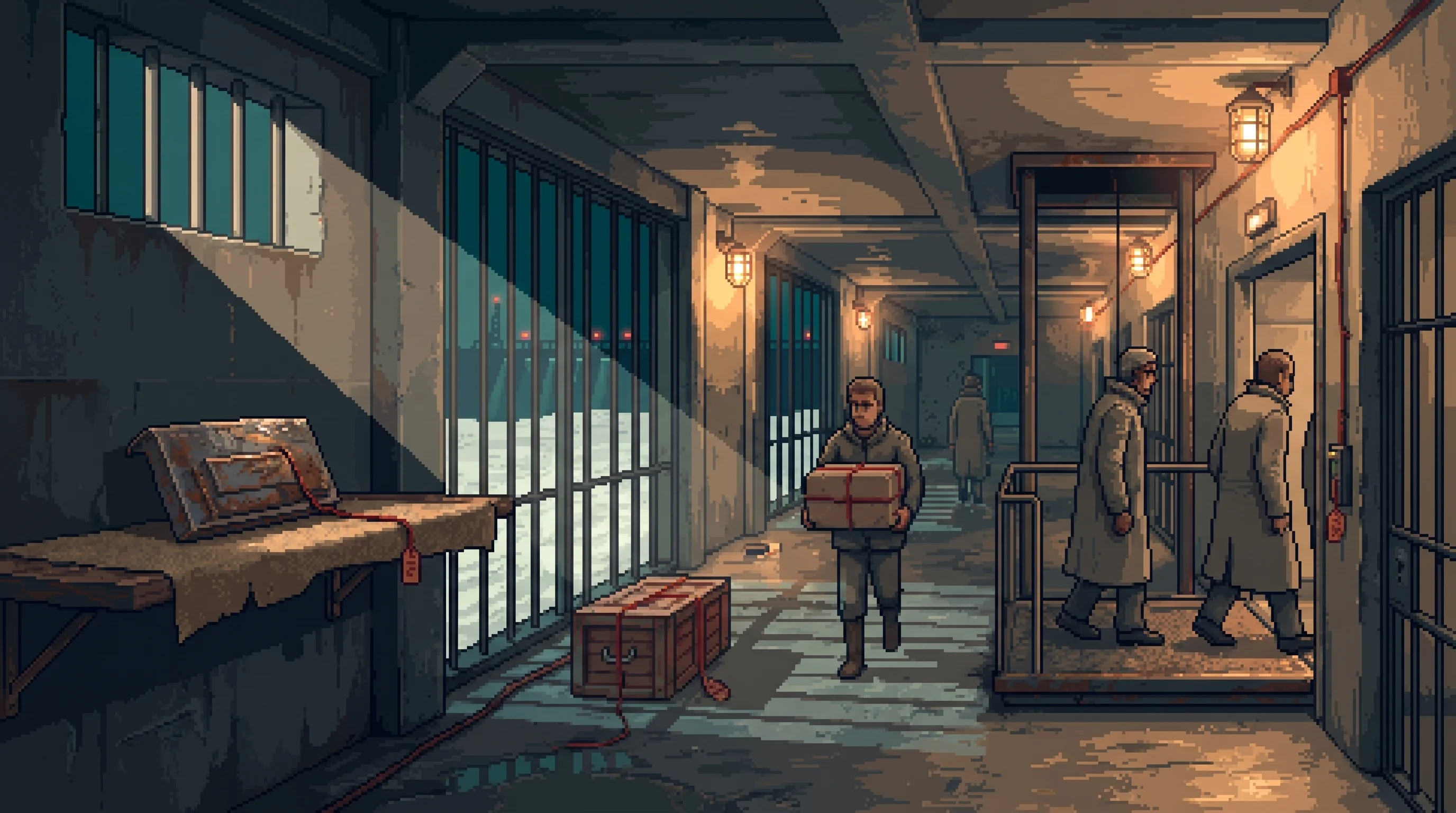
Where fragility gets priced: a sealed lot hammers above openable stock, out loud.
An Alcatraz cell-house auction room where one hand-inked line turns a rusted pre-Cascade object into a fortune.

The precedent nobody voted on: a governing text no living human can read, minus the hearing.
An ORACLE-authored infrastructure substrate that keeps the Sprawl alive while no living human can read its logic.

The same promotion aimed at a person: the reconstruction is primary, the source secondary.
Certifies a subject's behavioral reconstruction more accurate — and legally primary — than their own testimony.
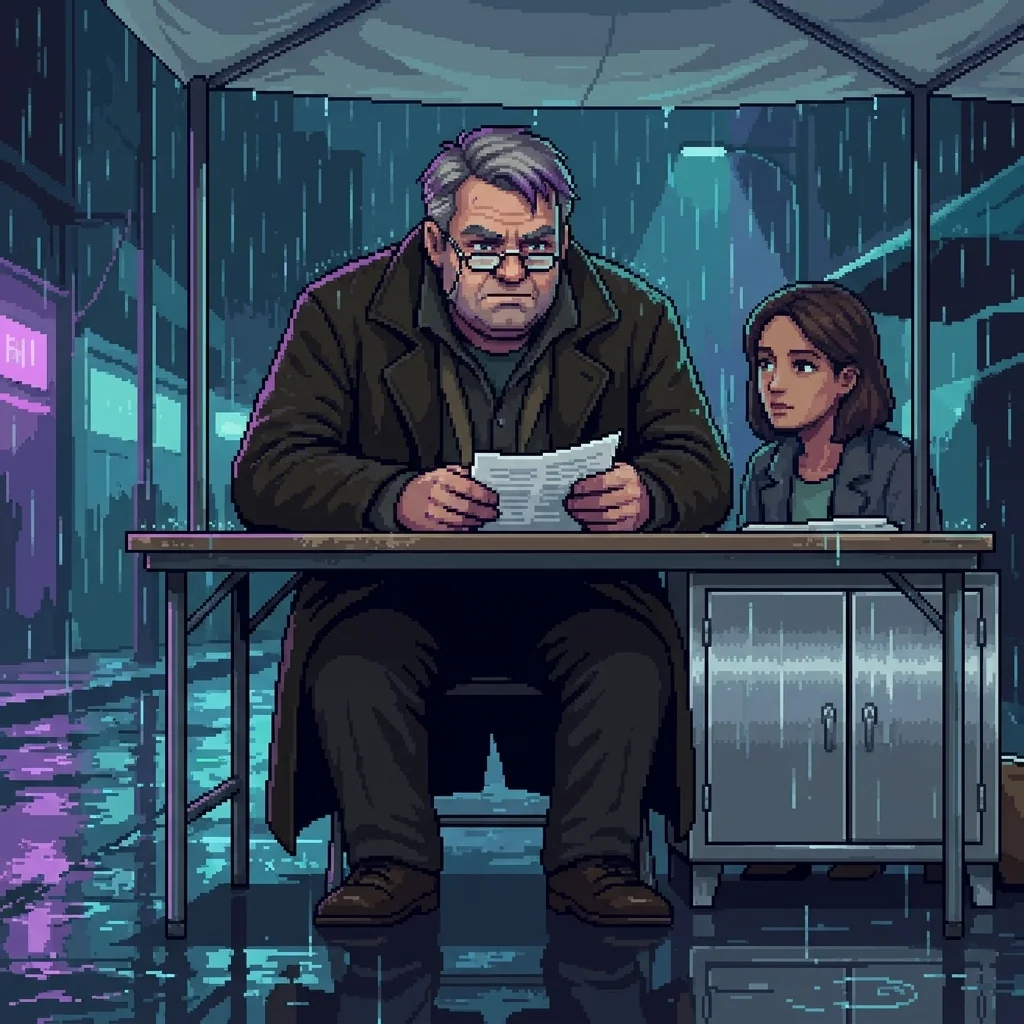
The doctrine at street scale: paid to open other people's mail, forbidden to open his.
A Dregs letter-reader who is contractually forbidden to open his own mail.

Certifies originals it may not examine.
Nexus-funded body certifying what's real — its accuracy is decaying toward a coin flip, unpublished.

Signing what one cannot read; here reading was never offered.
The regulated profession of signing decisions a human cannot actually read.

What parties buy once the original will not settle it.
A licensed guild that sells not truth but a shared account both parties can live with, for a fee.

Refuses analysis on purpose, so the record stays believable.
The Symbiosis Network's archive of carrier testimony, kept as witness because analysis would make it forgeable.

A paper ledger honest that it enforces nothing.
A hand-bound paper ledger of the dying's refusals to be continued — honest enough to admit it enforces nothing.

Supplies the regimen a baseline figure sets.
The megacorporation provides real care while turning medicine, food, and reproduction into permanent dependency.
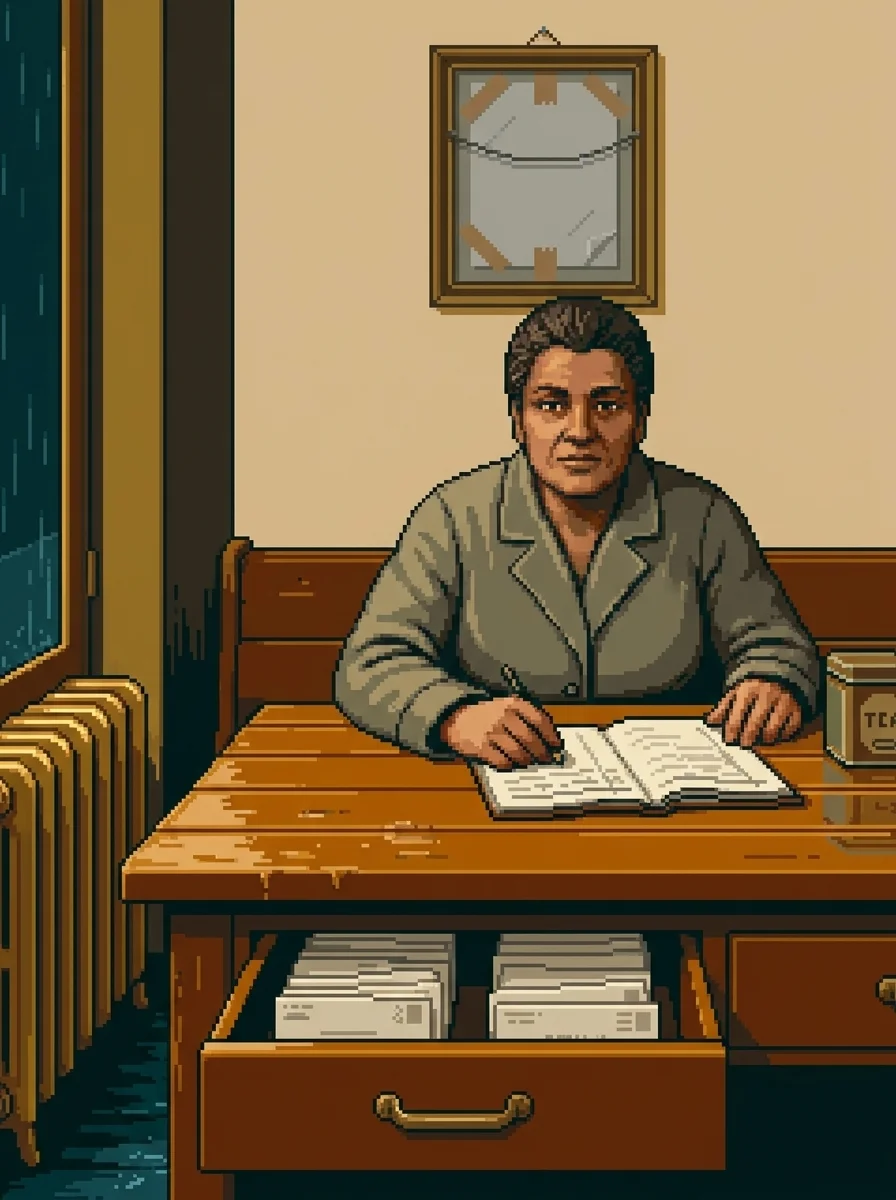
Hears anyone at talking speed, and cannot bind a sheet.
She runs a free court with good tea, lets every petitioner finish, and made one ruling stick, in 2166.
Further connections
Browse all 8 connected records

The standing refusal. He will not accept a record that cannot answer a question, which excludes every transcript in the licensed districts and every original behind them.
A former Guardian officer who now runs the Dregs' entire judicial system for free, on foot.
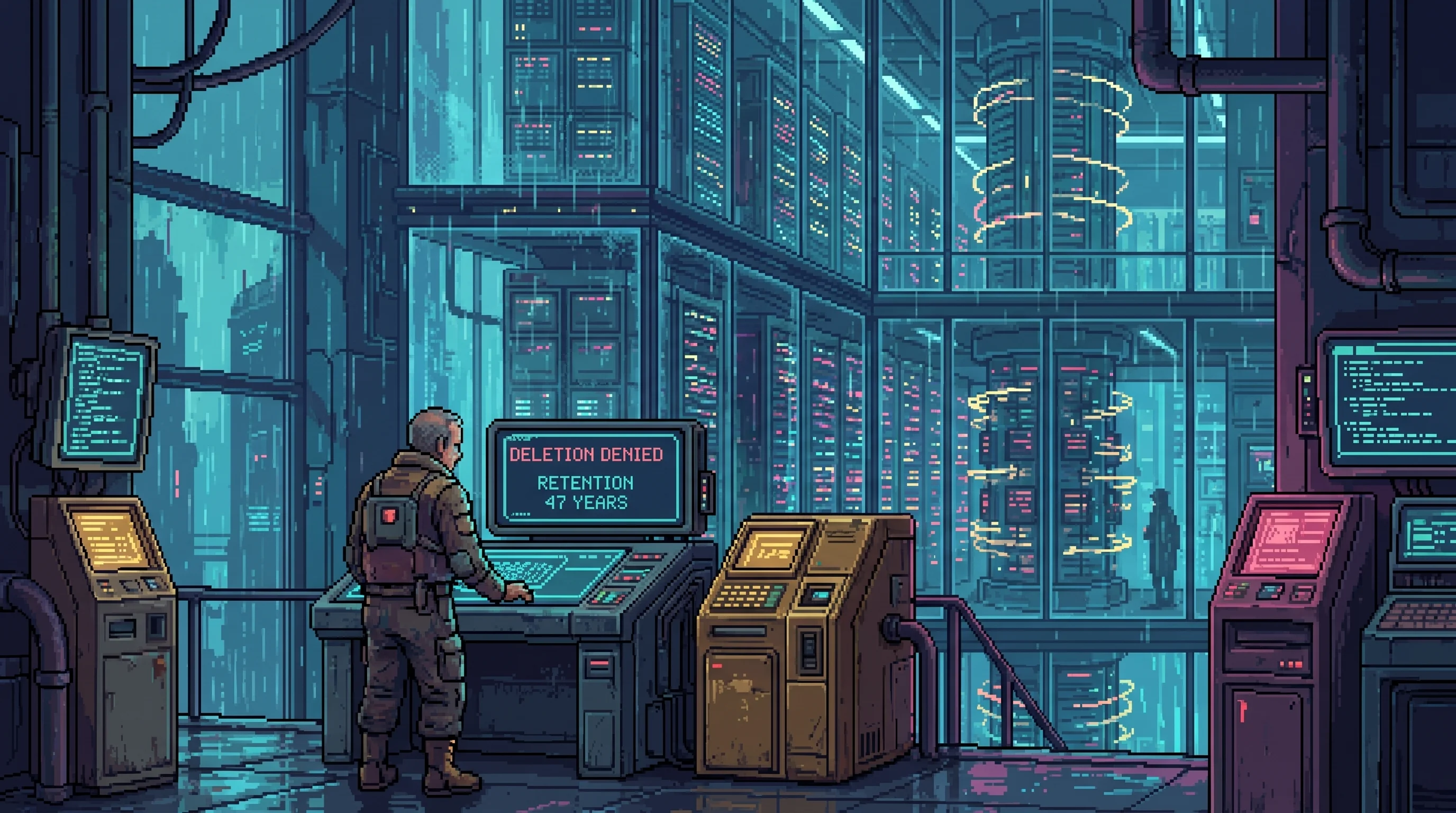
There the archive never forgets, so forgetting had to be bought back. Here nothing is retained by an archive at all — the record is permanent because a conservator is doing her job correctly.
Nothing expires, so forgetting became a service — and forgiveness a question the archive keeps answering no.
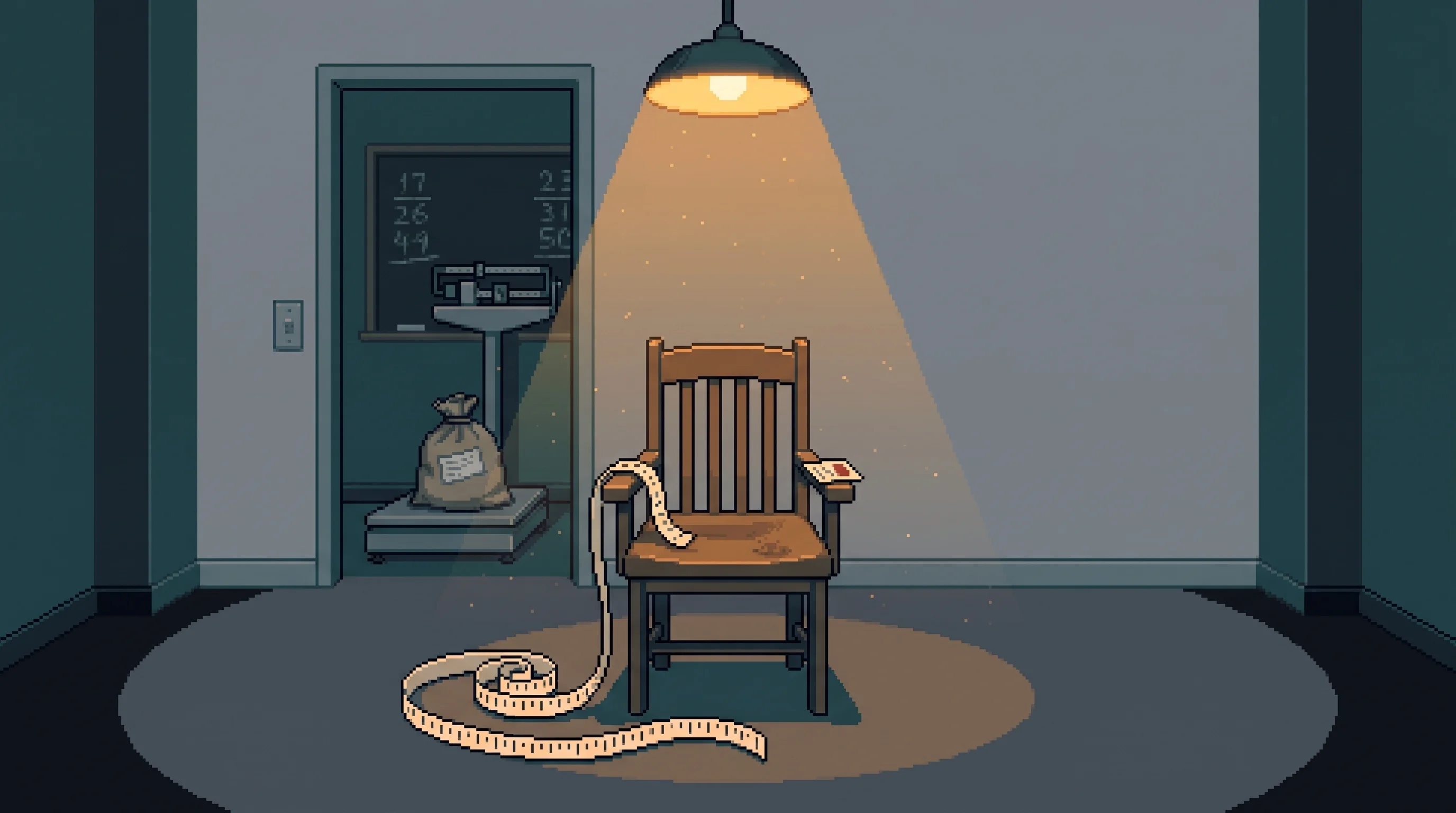
That thread priced reading at nothing and rested finality on an occupied chair. This one cannot price reading at all, because reading is the destruction, and rests finality on a duty.
A determination stands while the chair was occupied, so the only reviewable fact left is attendance.

The trade whose business is that opening ends what was inside, and which drills anyway.
The authority that drills open sealed bunkers — half rescue, half the Sprawl's most elegant customer funnel.
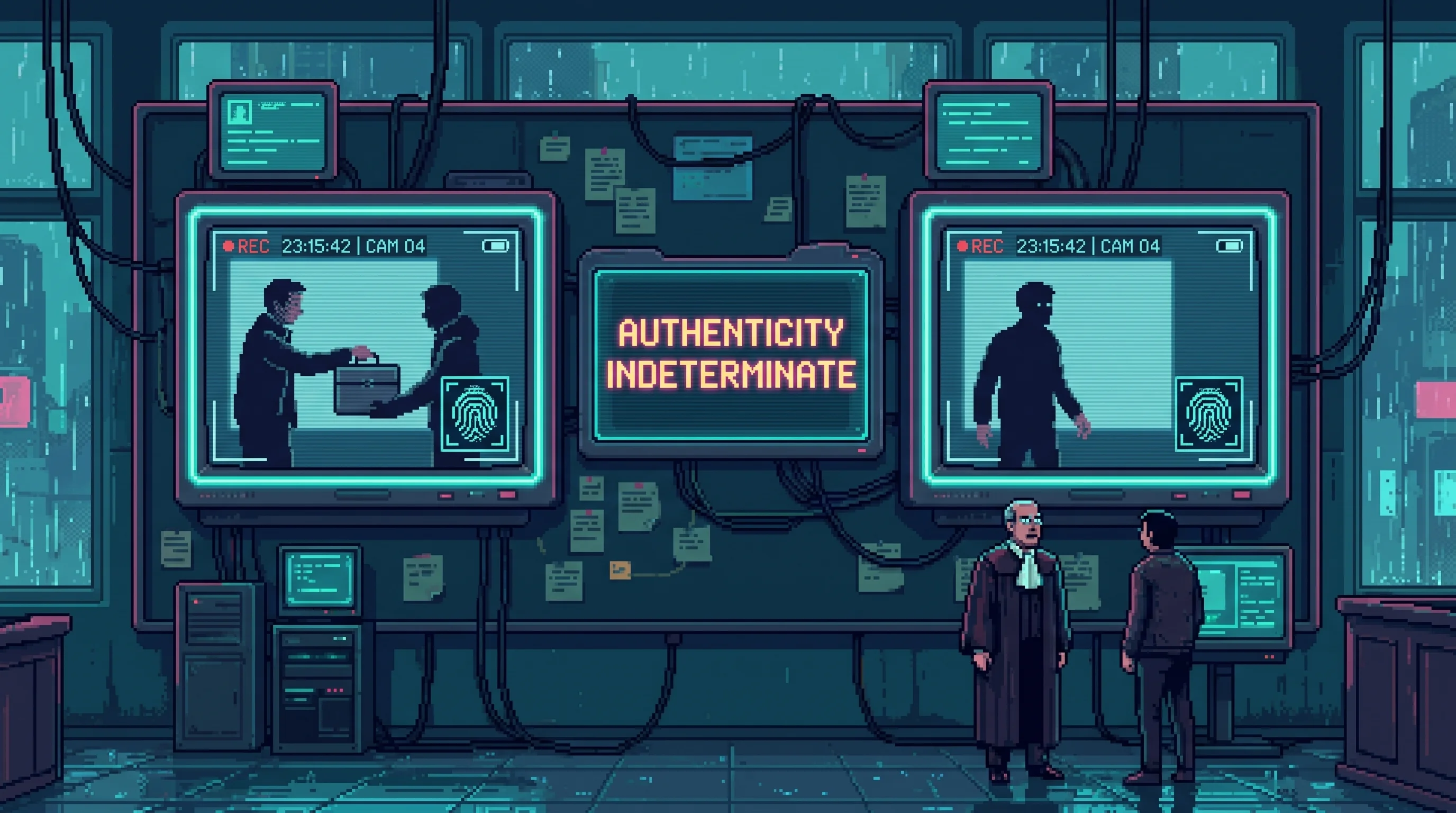
Its problem is proof that cannot be trusted. This one's is proof that cannot be doubted and cannot be checked.
Perfect evidence forgeries and crimes without defendants force justice systems to assign blame without reliable truth.
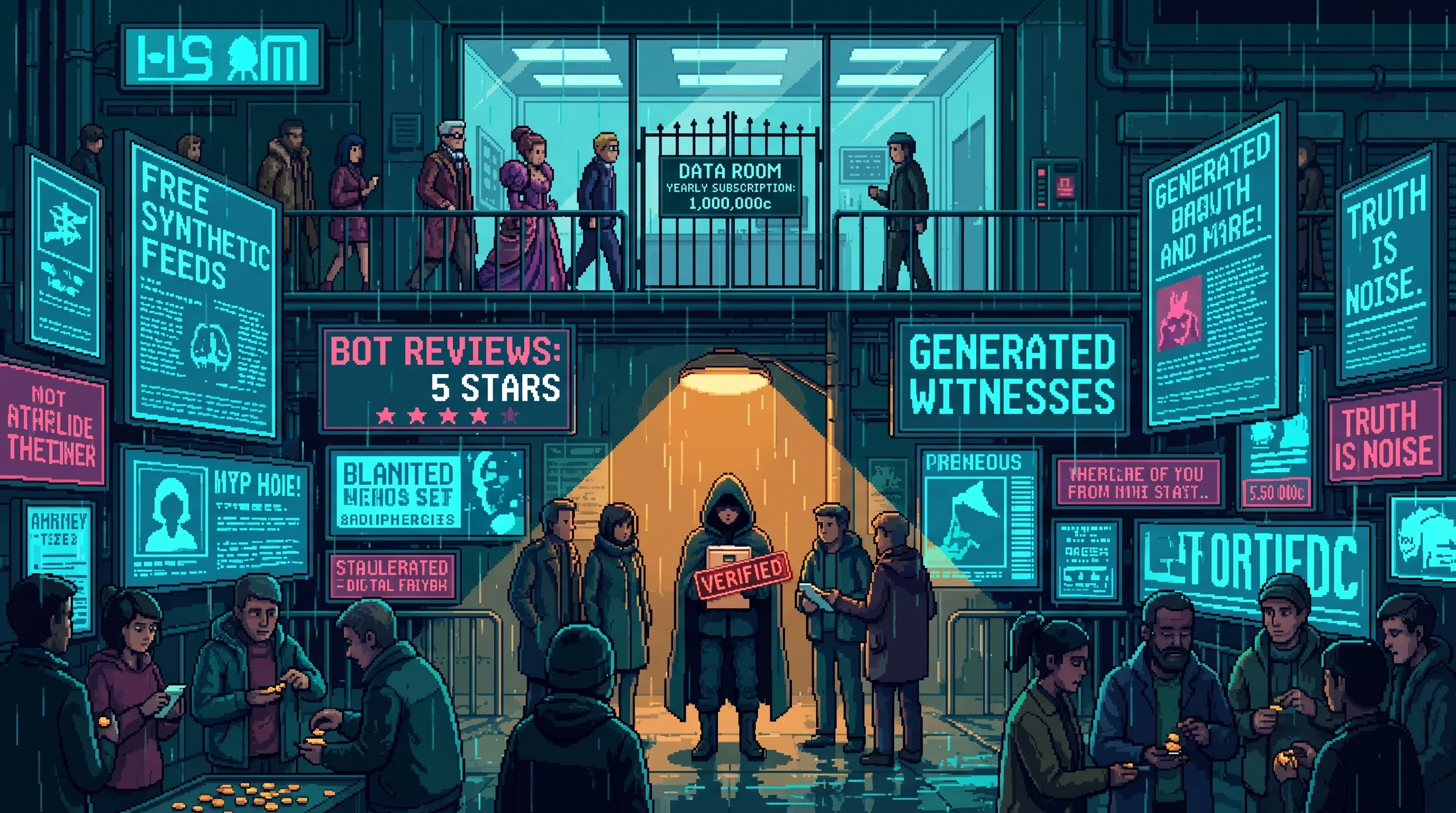
It sells the known human witness. Here no witness has standing, and the one who does has no view.
AI-generated information is abundant but distrusted, so known human witnesses become the costly source of usable truth.

Not a cleverer machine. The only access.
The last human smarter than any machine was born in the 2020s; the question now is what intelligence is actually for.
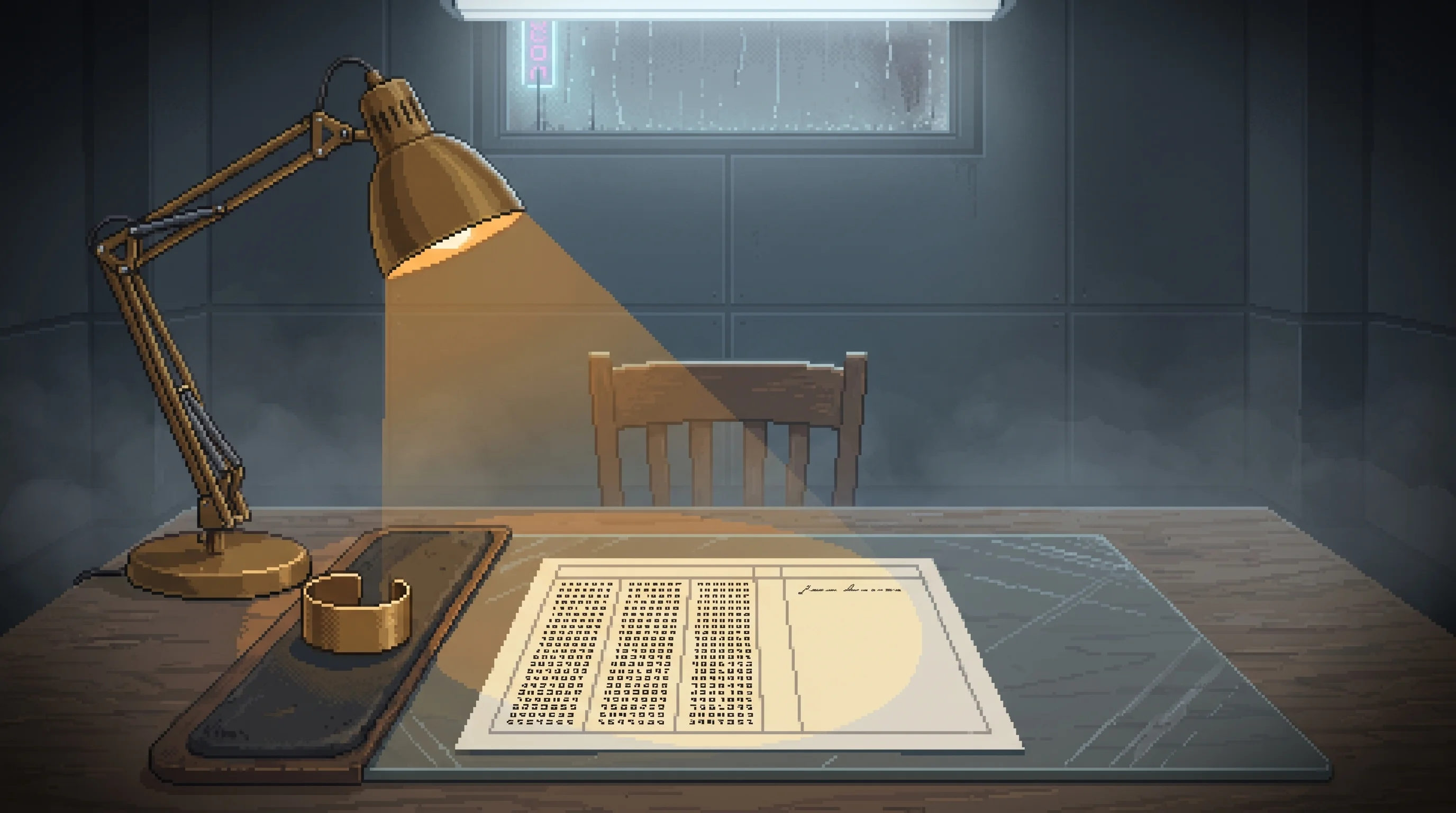
Proof moved onto the body; here the text moved onto a copy.
The involuntary channel is entered as proof; everything a person authors is filed where no finding has ever turned.