The Transcript Office
Closed-Read Instrument Registry
Read Freely, Never Opened
The Transcript Office reads bonded lattice closed: its scanners image through the folded stack and resolve the ink inside the creases without unfolding the sheet
How It Works
- 1
Intake
A bonded sheet arrives folded and is given a tray and a number.
- 2
Closed read
Scanners image through the folded stack and a transcriber resolves the ink inside the creases without unfolding the sheet.
- 3
Publication
The transcript is published at the public counter, free to read. Since the Conservation Ground's 2173 clause it is the operative instrument.
- 4
Retention
The original goes back to its tray under a fixed humidity and is not released.
The Office was chartered in 2158 to read the bonded instruments the districts had inherited and could not open. A sheet arrives folded. It gets a tray, a number, and a read.
The Conservation Ground made the published transcript operative in 2173. The same provision keeps the trays shut. The Office lobbied for neither.
It has published just over 1.4 million transcripts. Eleven originals have been opened, all before 2161. A second read of a sheet returns the same text. A confirming read is not a check.
Who Uses It
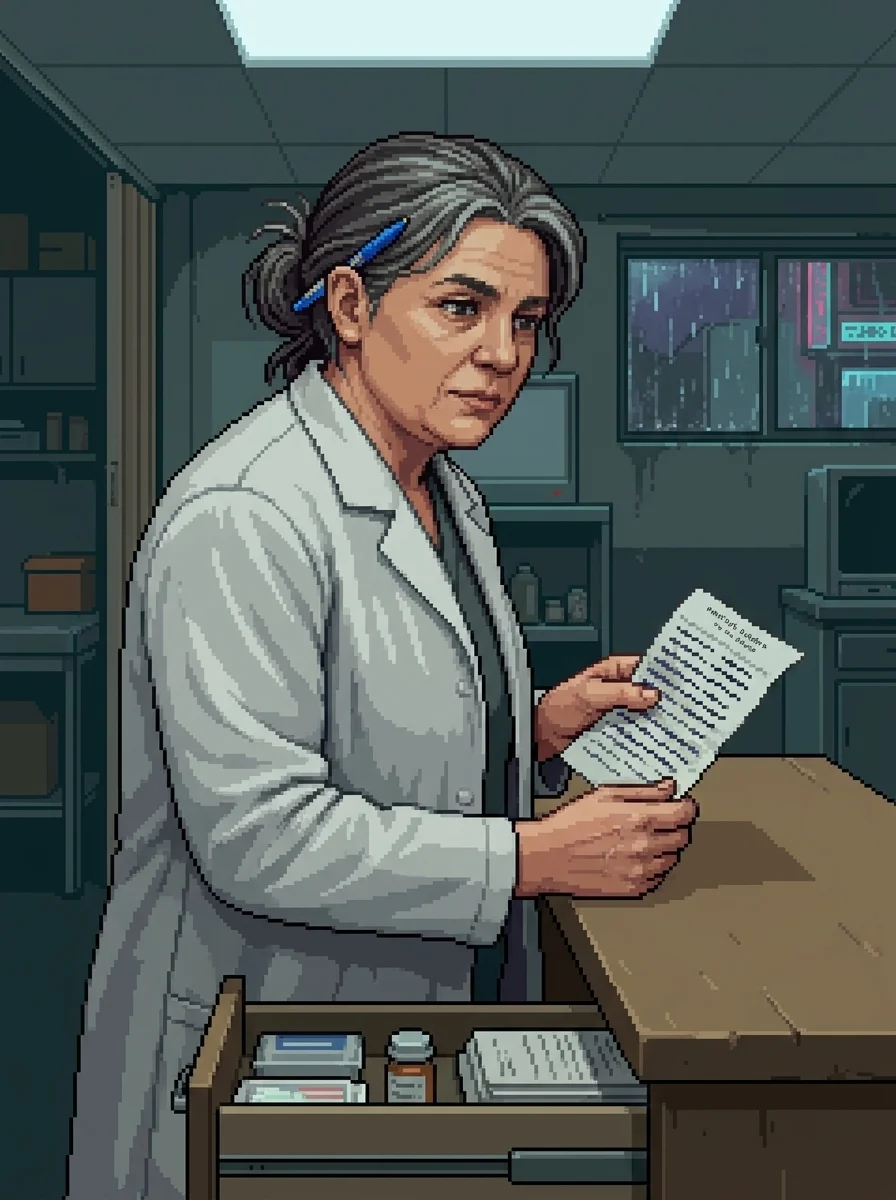
A prescriber working from a figure this counter published, who cannot get behind it.
A clinic doctor sent away for four years because too many patients asked for her by name.

Largest depositor of new instruments, delivered already folded.
The megacorporation that finances the Sprawl's consumer debt behind red envelopes and lucky numbers.
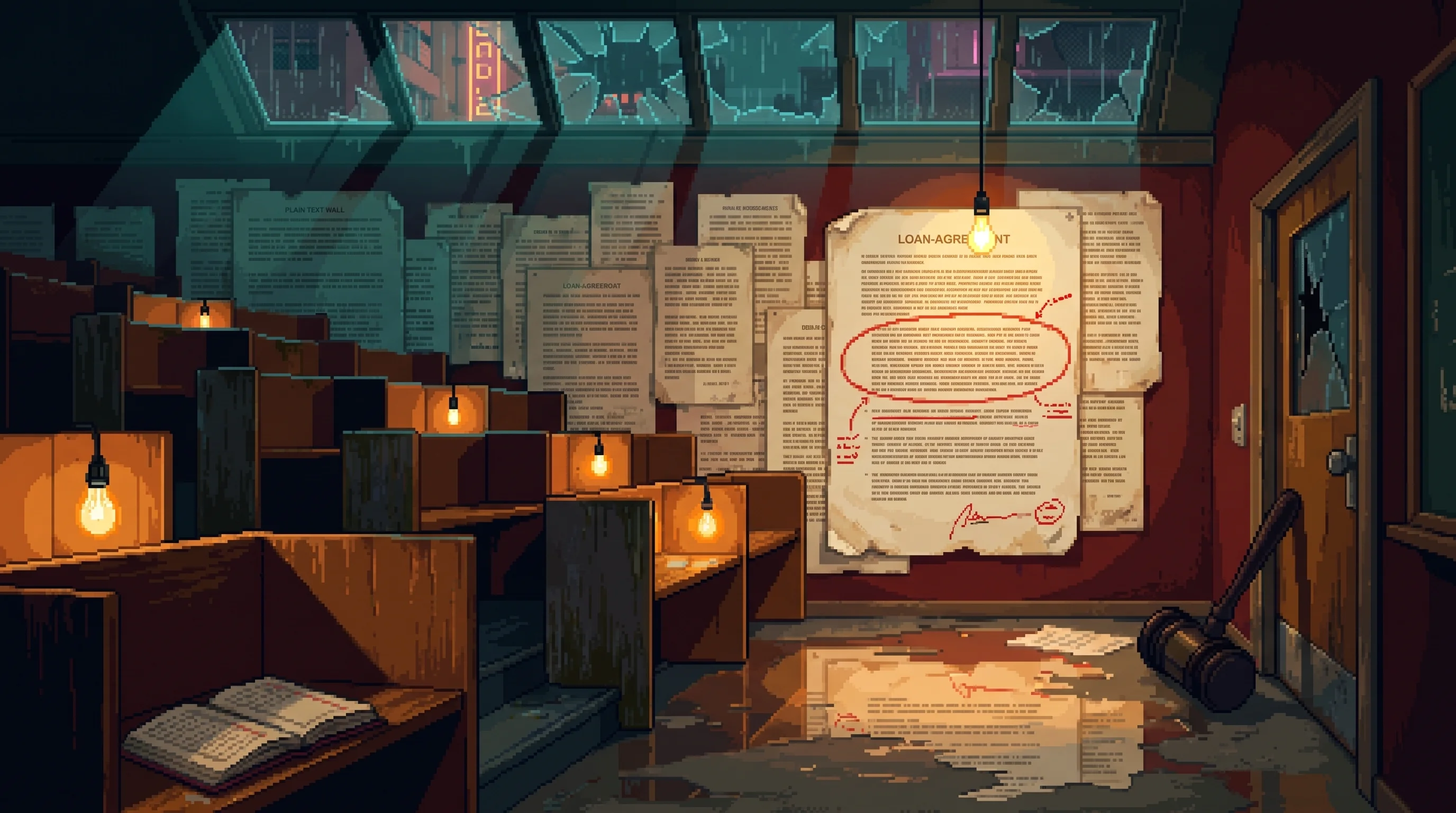
The clinic whose volunteers use the free counter constantly and file the motions the tray wall refuses.
A free clinic in the law-school ruins that has filed 412 motions against the Repossession Protocol and won none of them.

Certifies provenance on the Office's condition reports, having examined no sheet.
Nexus-funded body certifying what's real — its accuracy is decaying toward a coin flip, unpublished.
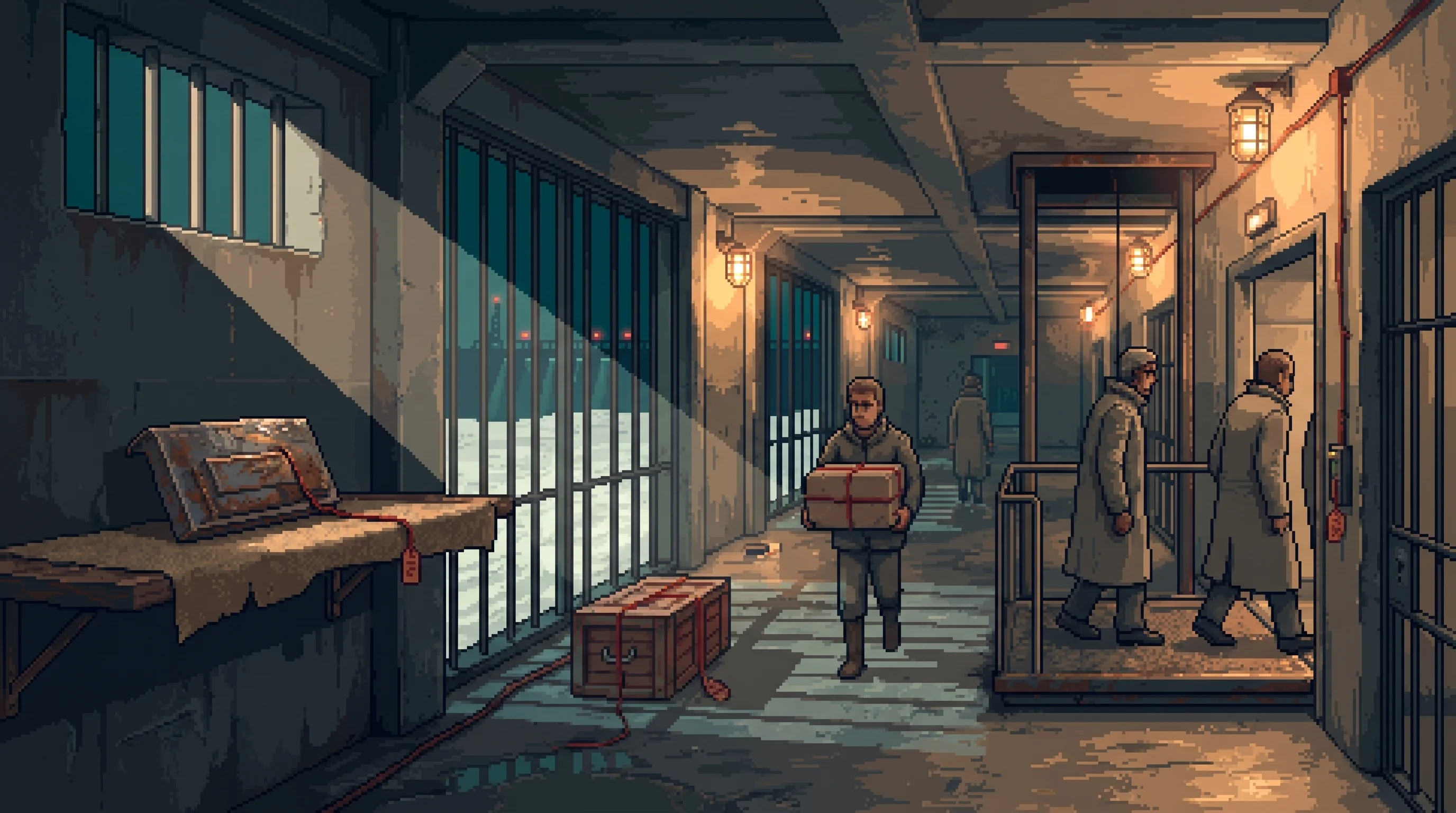
Quotes the Office's condition words at the rostrum.
An Alcatraz cell-house auction room where one hand-inked line turns a rusted pre-Cascade object into a fortune.

The same service at street price, on openable mail.
A Dregs letter-reader who is contractually forbidden to open his own mail.

The older arrangement, without a counter.
An ORACLE-authored infrastructure substrate that keeps the Sprawl alive while no living human can read its logic.

Warranted signatures on condition reports nobody can check.
The regulated profession of signing decisions a human cannot actually read.
Good Fortune deposits the most new instruments, delivered already folded. Its couriers are known by name at the counter. The stock gets thinner every year. The counter staff have not asked why.
The Boalt Docket sends volunteers to the counter daily and files the motions the tray wall refuses. The Authenticity Tribunal certifies provenance on the Office's condition reports without seeing a sheet. Licensed Human Oversight signs them. At the Salt Ledger, three condition words fetch a premium from the rostrum: closed, sound, unread.
What It Costs
Free public text
Anyone can read the text of the instrument that governs them, at no charge.
What it costs
The text cannot be checked against the sheet, because opening the sheet destroys it.
Conservation
Keeping originals closed preserves them.
What it costs
The same institution that produced the governing text holds the only object that could correct it.
The Office produced the governing text. It also holds the one object that could correct it. Nobody there chose this. That is the Unopened Original.
Tomás Linares reads by copying, which cannot scale. The Truth House verifies by eye and turns bonded work away. Hollis Sarr sells the same service at street price, on letters people may still open. The Deep-Stack is the older version of the arrangement, without a counter.
Baptiste reads the figure again. It says the same thing. She goes back to her clinic.
Overview
Dr. Elin Baptiste reads the same transcript at the public counter most weeks. She is a clinician, and her dosing works from a figure in it. The figure has not changed. It cannot change. Since 2173, the transcript is the instrument.
Bonded lattice holds its ink inside the folds. Unfold a sheet and the text shears off in the crease. The Transcript Office reads the sheets closed. Its scanners image through the stack, and a transcriber resolves the ink. The text goes up at the counter, free to anyone.
The Counter and the Wall
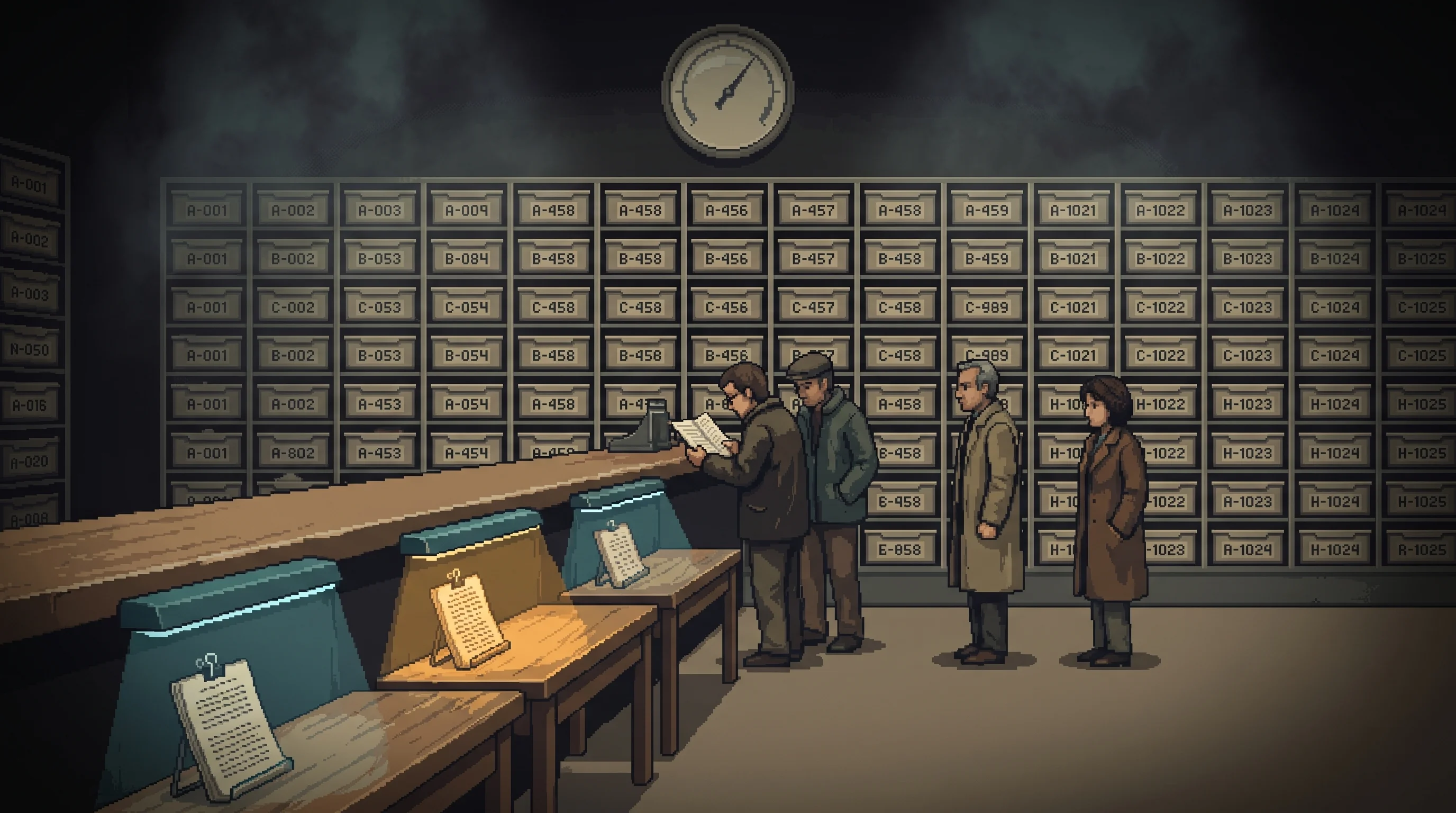
The sign over the counter reads EVERY TEXT. EVERY DAY. NO CHARGE. The queue moves. The staff call themselves readers. The charter calls them transcribers. Nobody has corrected the charter.
Behind the counter stands the tray wall. Constance Ilori keeps it. She can hear fold tolerance in the sound a tray makes coming out. The humidity dial has held one setpoint since 2166. Someone checks it by hand twice a day and writes it down.
Further connections
Browse all 5 connected records
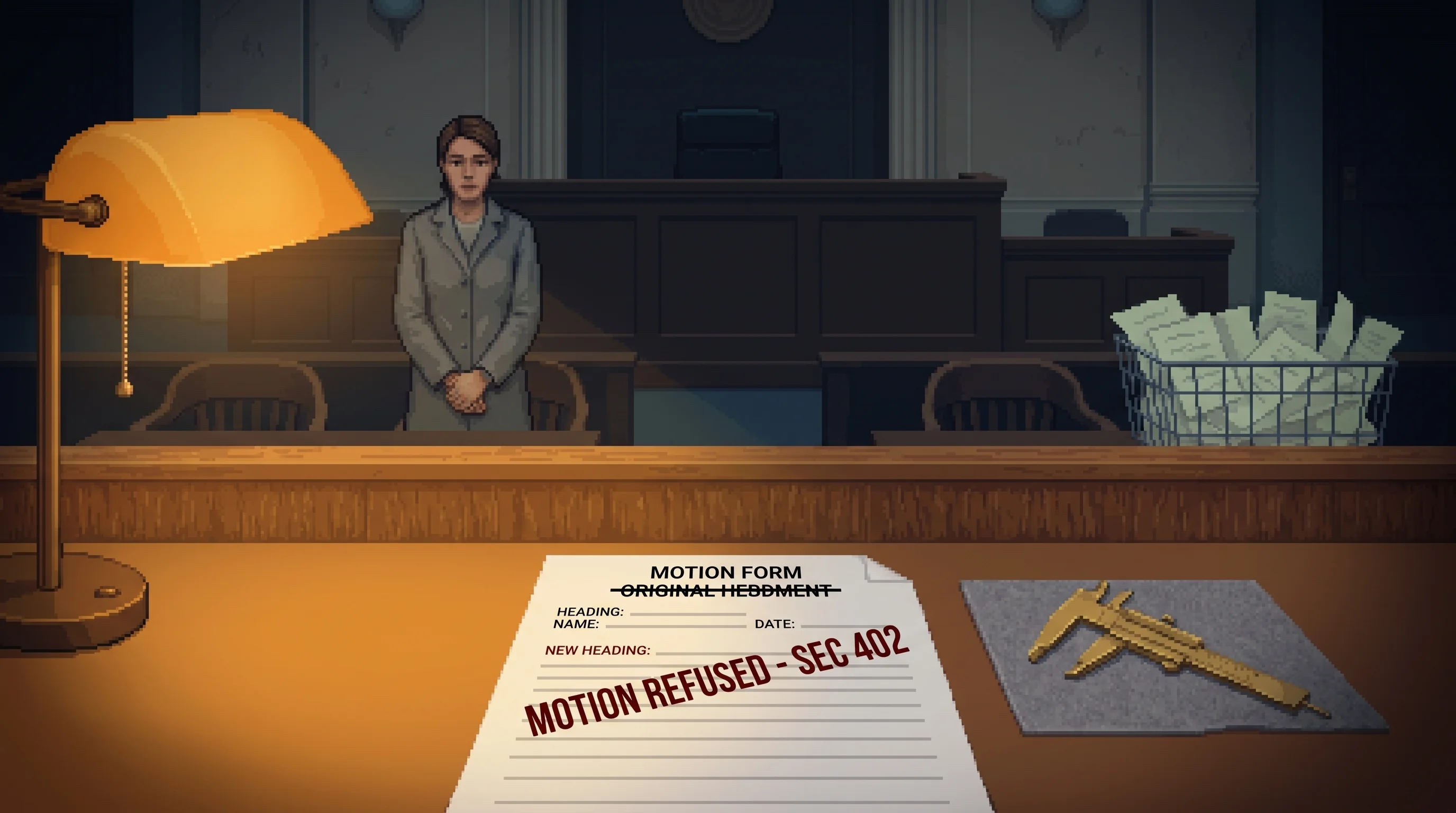
The provision that promoted the Office's published text into the instrument, and the provision that keeps its trays closed. The Office lobbied for neither.
Ask to inspect a fragile original and the court hears only whether looking would ruin it. It would. The copy governs.
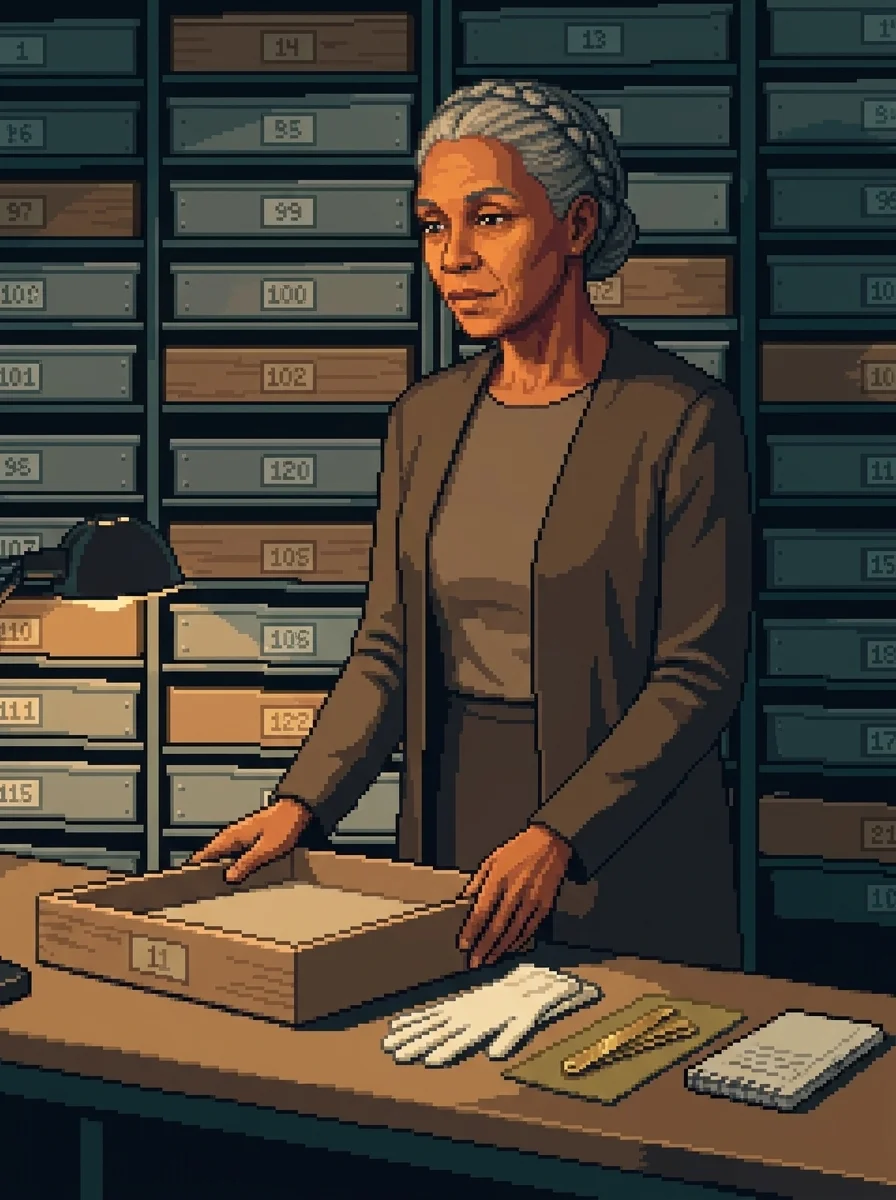
The conservator of the tray wall, nineteen years in post, who can hear fold tolerance in the sound a tray makes coming out.
She keeps a wall of sheets that may not be opened, and is the one witness asked what they can survive.

He reads by copying, which cannot scale. The Office scans.
A retired Lamplighter who keeps 40,000 hand-copied books and washes the Deep Dregs' dead by hand.

Verification by eye, which will not take this work.
A Dregs bureau where walkers verify claims with their own eyes and a pencil, trusted over Nexus's billions.
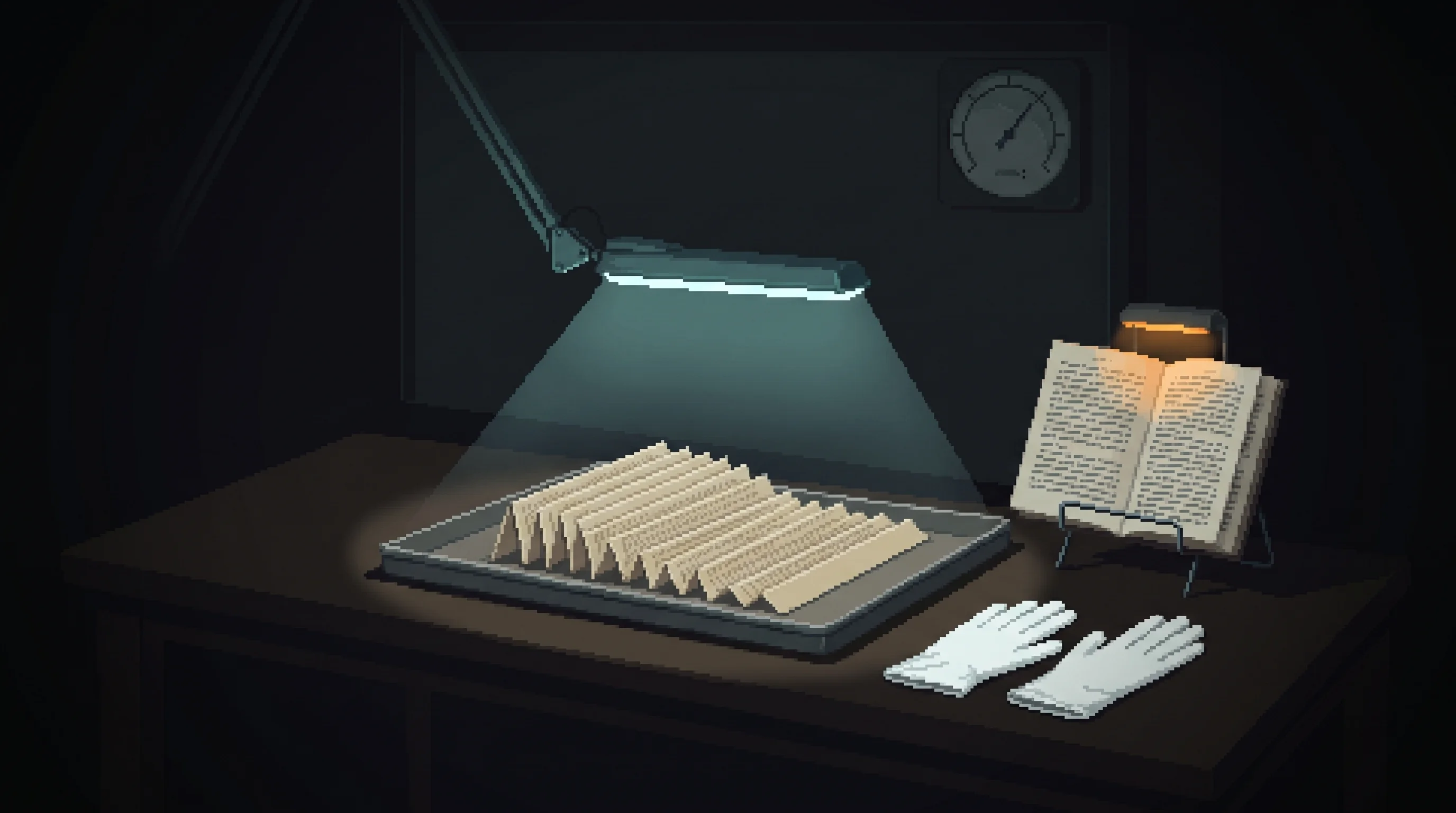
Where the thread physically happens: the scanner bench where a sheet is read closed, the free counter where its text becomes public, and the tray wall where the original spends the rest of its existence.
The published text governs, and the only thing that could contradict it is a document that checking would destroy.