The Silent Registry
Voice-Refusal Paper Ledger
The Deadest Word
The Silent Registry is a singular hand-bound paper ledger kept by Old Jin in the Undervolt, recording the pre-mortem voice-destruction orders of people who wish to die quotable but not regenerable
Provenance
- 2180
The first entry
A dying Undervolt resident asks not to be continued. Jin writes her name, the date and the wish in a blank ledger.
- 2183
The living arrive
People with open case numbers start coming. Jin writes their names on a loose sheet instead.
The Silent Registry began the way most honest things in the Sprawl begin: as a favor nobody else would do.
In 2180, an Undervolt resident dying of the same industrial lung that is killing Old Jin came to Jin's workshop with a request the corporations had no form for. She did not want to be continued. She did not want her voice subscribed, licensed, or regenerated. She wanted to be quotable but not conscripted — remembered in the things she had actually said, and left silent in everything she had not. There was no registry for this. So Jin took a blank paper ledger, the kind he keeps his ORACLE diagrams in, and wrote her name, and the date, and the wish.
That was the first entry. There have been many since. The Registry is one book, in one hand, on paper — because paper, alone among the Sprawl's media, cannot be served with a subscription invoice, cannot be flooded by the Shade Division, and cannot be regenerated from a cached fragment. It is the deadest of Jin's dead words and, for that reason, the only one the dead can trust.
Physical Description

- Salvaged spine
- A hand-bound ledger with its spine reinforced in salvaged cable wrap, shelved beside Jin's three boxes of ORACLE specifications.
- Short entries
- A name, a date, and sometimes a single line of why, in Jin's careful hand.
- No lock
- Locking it would imply it could be stolen. The people who want it gone need the cached voicemail, not the book.
A hand-bound ledger, its spine reinforced with salvaged cable wrap, kept on the shelf beside Jin's three boxes of ORACLE specifications. The entries are short — a name, a date, sometimes a single line of why. The handwriting is Jin's: careful, precise, the letters of a man who copied documents he only partially understood because partial understanding was better than none. The book is not locked. Locking it would imply it could be stolen, and the people who would want it gone do not need the book — they need the cached voicemail, which is somewhere else, which they will always find.
Overview
The Silent Registry is a single hand-bound paper ledger in Old Jin's workshop in the Undervolt, and it is the only place in the Sprawl that will write down a person's wish to not be continued after death. In a world where Continuing Voices regenerates the dead's voice from forty seconds of cached audio — forever, owned by whoever pays — the Registry records the opposite intention: to die quotable but not conscripted, present in what you actually said and silent in everything you did not.
Its power is the power it does not have. It enforces nothing. Jin tells every petitioner so before he writes a word, because a single saved voicemail nobody declared will defeat any destruction order ever filed. He writes the name anyway. The Registry is the inverse of the Memorial Wall — let them go against remember them — and the digital twin of the Carrier Testimony Project's destruction testimony. It is honest about being only a wish, which is why, in a Sprawl full of corporate orders that lie about what they can do, it is the only acknowledgment the dead can trust.
Known Powers / Significance
The Registry's power is exactly the power it does not have. It cannot stop Continuing Voices. Jin says so, to every petitioner, before he writes a word: the entry is a wish, not an enforcement; a single saved voicemail nobody knew was kept will regenerate the whole voice, and no destruction order on Earth reaches a copy that was never declared. He writes the name anyway. "I write the name down," he says. "It's the only part of the wish I can keep."
What the Registry can do is witness. In a Sprawl where the Memorial Wall has become a switchboard for talking back to the named dead, the Registry is the one place a person can write I do not consent to my own continuation and have a human being acknowledge it — not a model, not an estate, not an account-holder, but a man who will read the line back to make sure he got it right. That witnessing is worthless to the architecture and priceless to the person, which is the precise shape of every honest thing in the Undervolt.
Strategic Assessment
The Registry asks the seed's question from the side nobody profits from: not can we bring the voice back — the answer is yes, trivially, from eleven seconds — but may we? It is the Carrier Testimony Project's principle rendered in paper: a voice belongs to the one who spoke it, and the right to refuse continuation is the last sovereignty a person has over their own testimony. The Registry's tragedy is that this sovereignty is now a thing you can only assert, never secure — a wish filed against an industry whose entire engineering was the defeat of exactly this wish.
The Ward and the Ledger
The Registry's opposite number sits in the organized Sprawl's medical districts. The Waiting Ward, Halcyon Bridgeworks' terminal-care facility, holds enormous authority over whether a patient may stop, and it keeps no honest record of the asking. When a suspended patient uses an orientation window to request release, the counselor files it as "expressed distress" and schedules a session; the request must recur across three consecutive windows before it becomes a petition. The Ward smooths the wish. Jin, who can enforce nothing, at least writes it down.
Maren Olesk keeps the version the Ward never recorded. Her father told her, in a nine-minute window, I'm not afraid, I'm tired, and the sentence entered no Care Board file. She carries it the way Jin carries a name in the ledger, a person made the sole custodian of words the system has no field to store. The Registry is one man doing this on purpose in the Undervolt. Maren is one daughter doing it by necessity in Sector 22. The Sprawl produces the need faster than either of them can keep up.
The Lapse
Retained presences now end when nobody renews the band of hours at a ward counter. That ends the dead whose families could not reach a counter, which is the sorting the Continuity Registry was written to stop. Petitioners ask Jin to log lapses as granted wishes. He will not. "If I write that down," he says, "the book is a schedule."
The Ones He Will Not Bind In
Since 2183 the living come too, holding case numbers that will close themselves under The Ratification Forecast. One was Emrys Dolan, seventeen. Jin will not bind them in, because a bound entry would be carried into a hearing and fail there. He writes their names on a loose sheet folded into the back cover, and says it is not part of the book.
Current Status
Active, and growing the wrong way. The waiting list grows faster than the entries, because Jin is dying and writes slowly and tells the truth, which takes time. It is, increasingly, the most-requested document in the Undervolt — petitioners who learned, the way Lena Okonkwo learned, that the corporate destruction order is theater and the paper ledger is the only acknowledgment that does not lie about what it can do.
When Jin dies, the question of the Registry passes, like everything else, to whether anyone learned to keep it by hand.
Affiliated Entities
| Entity | Relationship |
|---|---|
| Old Jin | Its keeper — writes each name knowing the entry enforces nothing |
| Continuing Voices | What it refuses and cannot stop |
| The Memorial Wall | Its exact inverse — 'let them go' against 'remember them' |
| Lena Okonkwo | A name in the book — a wish acknowledged, not honored |
| The Carrier Testimony Project | Its digital ally — consented voice as refusal of conscription |
| The Shade Division | Its dark foil — ruin the voice where you cannot end it |
| The Waiting Ward | Its institutional inverse — enormous power to grant the wish, no honest record of the asking |
| Maren Olesk | Keeps her father's unrecorded sentence the way Jin keeps a name |
Visual Identity
- Color Palette: aged paper cream (#E8E0CC), cable-wrap black, the warm low amber of Jin's grow light
- Compositional Mood: a single book on a workshop shelf, humble and load-bearing
- Key Visual Symbol: a handwritten name with no checkbox beside it — a wish with no mechanism
- Lighting: the 60 Hz workshop glow, dim and steady
Further connections
Browse all 22 connected records
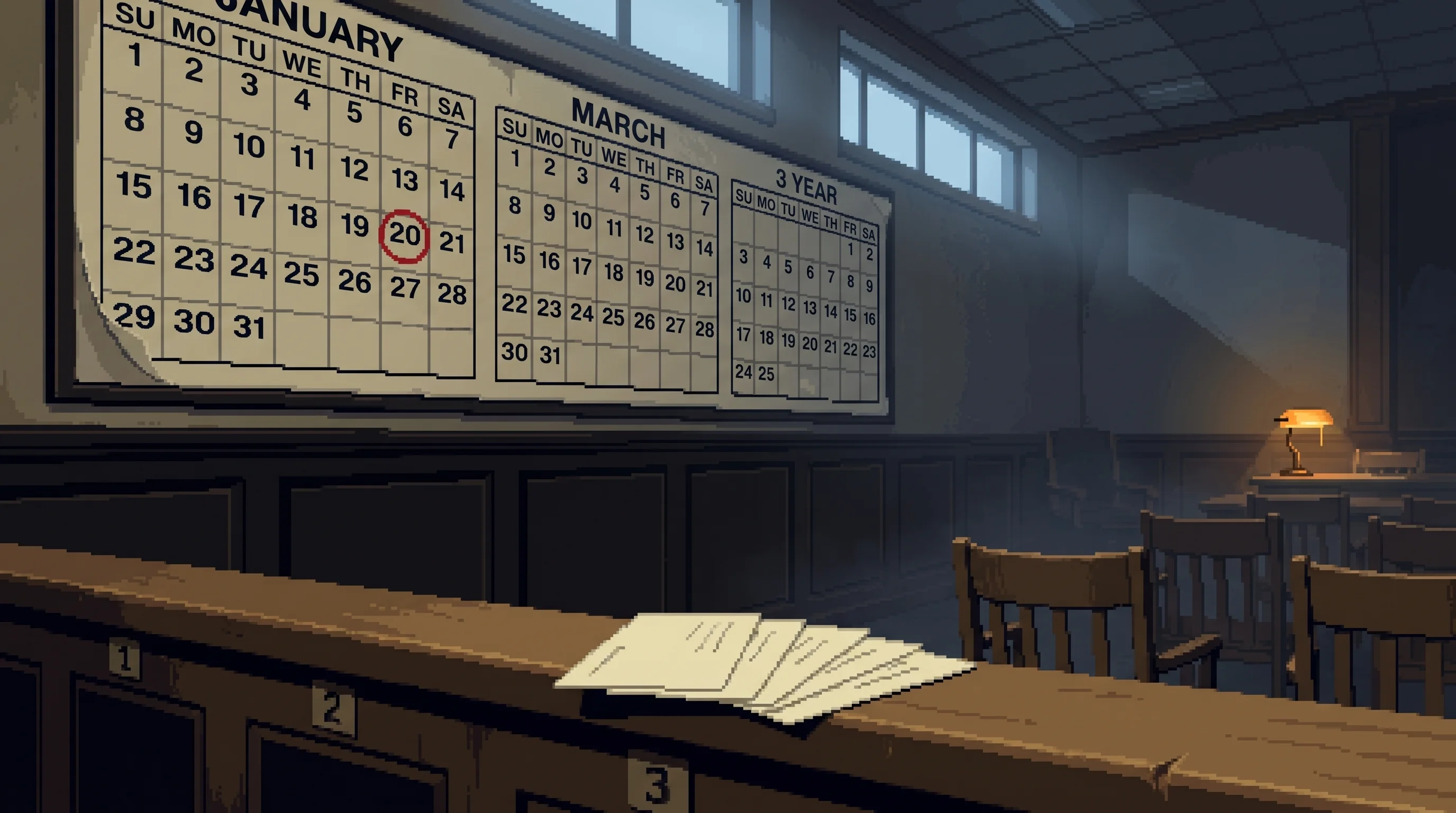
A ledger of refusals it cannot enforce, and why Jin will not let the book cover the living.
Your written refusal is filed with the month you are forecast to agree, and the procedure goes ahead on schedule.
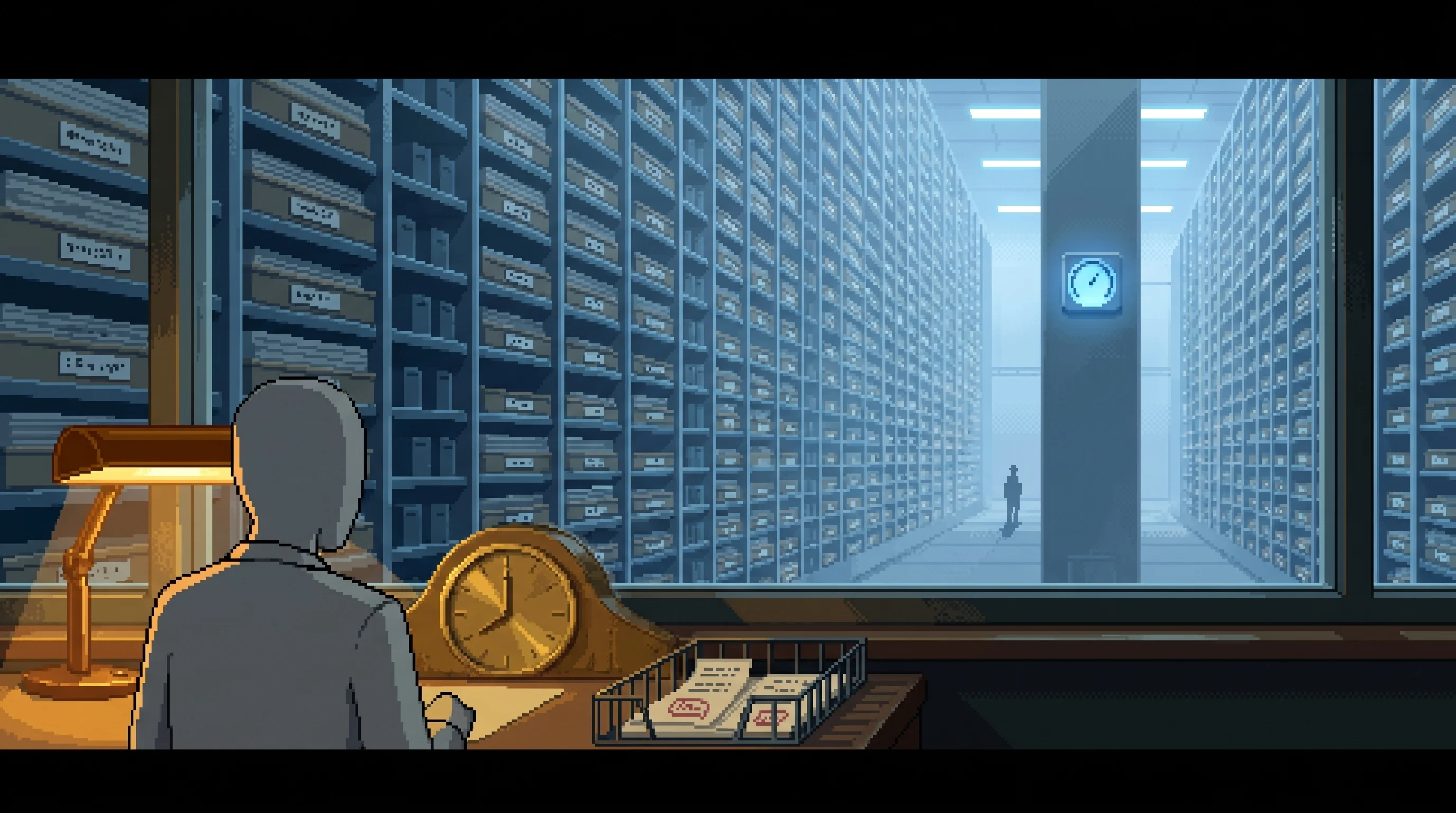
One office cannot delete anyone; one book cannot preserve anyone. Neither points at the case it would answer.
The office that keeps every registered dead person forever, and rations how many hours a family may keep.
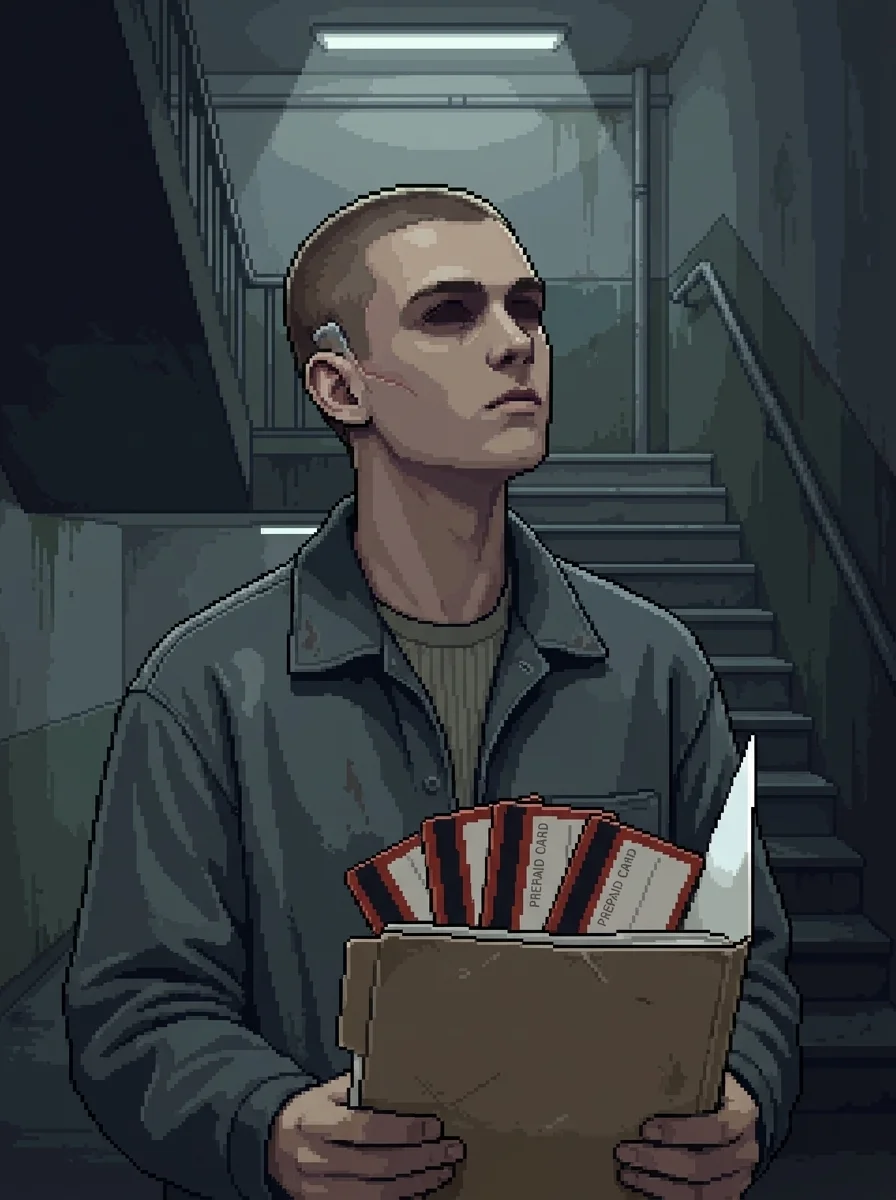
A refusal enforced against, beside a ledger nobody enforces.
He can hear now and does not dispute it. He just will not sign the card saying he agreed.

Old Jin keeps the Registry by hand because paper cannot be served with a subscription invoice; he tells every petitioner the truth — 'I write the name down. It's the only part of the wish I can keep.'
An 80-year-old unaugmented lineman who keeps the Grid running better than Nexus's automation.

Each entry is a refusal of Continuing Voices that the industry defeats by design — a destruction order cannot reach a cached voicemail nobody knew was kept
A trillion-credit grief market that rebuilds a dead voice from forty seconds, then gives control to whoever pays.

The exact inverse of the Memorial Wall — where the Wall says 'remember them,' the Registry says 'let them go'; the two are the Sprawl's only two answers to the same question
Eighty-seven meters of concrete holding fourteen thousand carved names that appear in no death register.

Lena Okonkwo's mother's name is written in the Registry — an acknowledgment of a wish the architecture will not honor
A filter cleaner who filed to end her mother's voice and cannot stop it regenerating from eleven seconds.

Shares the Project's principle that a voice belongs to the one who spoke it; the Registry's paper entries and the Project's recorded 'destruction testimony' are the analog and digital forms of the same refusal
The Symbiosis Network's archive of carrier testimony, kept as witness because analysis would make it forgeable.

The two ends of the same despair — Jin writes the wish down and cannot enforce it; the Shade Division enforces nothing and grants the wish by ruining the voice instead of ending it
Nexus Dynamics' black operations division — on no org chart, its kill orders leaving no paper.

The Registry writes a dying wish onto paper and admits it enforces nothing. The Waiting Ward hears the same wish, files it as 'expressed distress,' and requires it across three orientation windows before it counts; one honestly keeps a wish it cannot grant, the other smooths a wish it could.
A suspension ward where the dying sleep toward a cure, and every comfort is engineered to make the waiting last.

Maren keeps her father's unrecorded sentence the way Jin keeps a name in the ledger; both are custodians of words the architecture has no field to store.
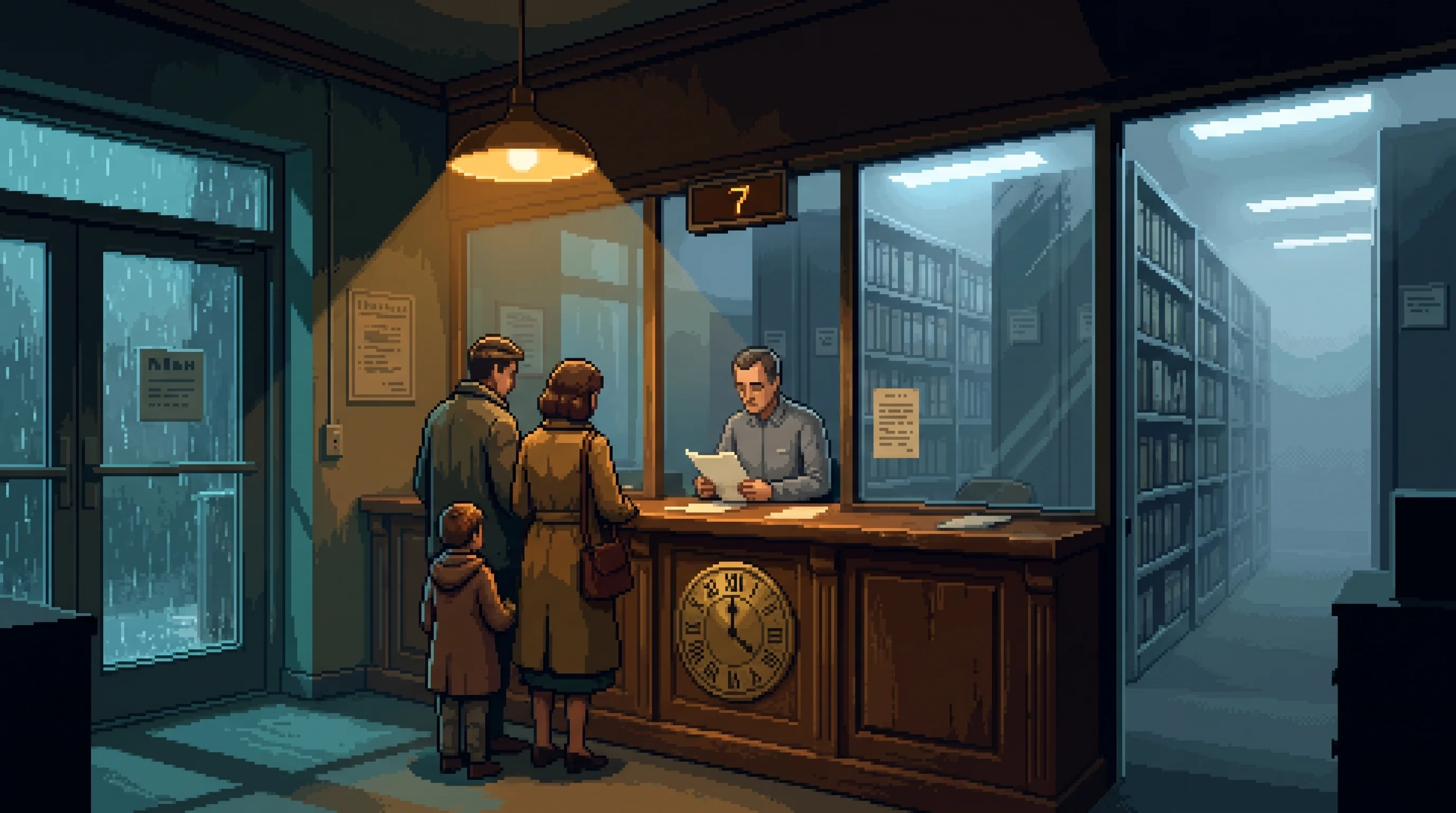
The ledger cannot enforce a refusal. Non-renewal enforces one every spring, on the household's calendar rather than the dead person's wish, and Jin will not record a lapse.
The Registry keeps every minute of your mother forever; her daughter is allowed nine hours, and has to pick them.
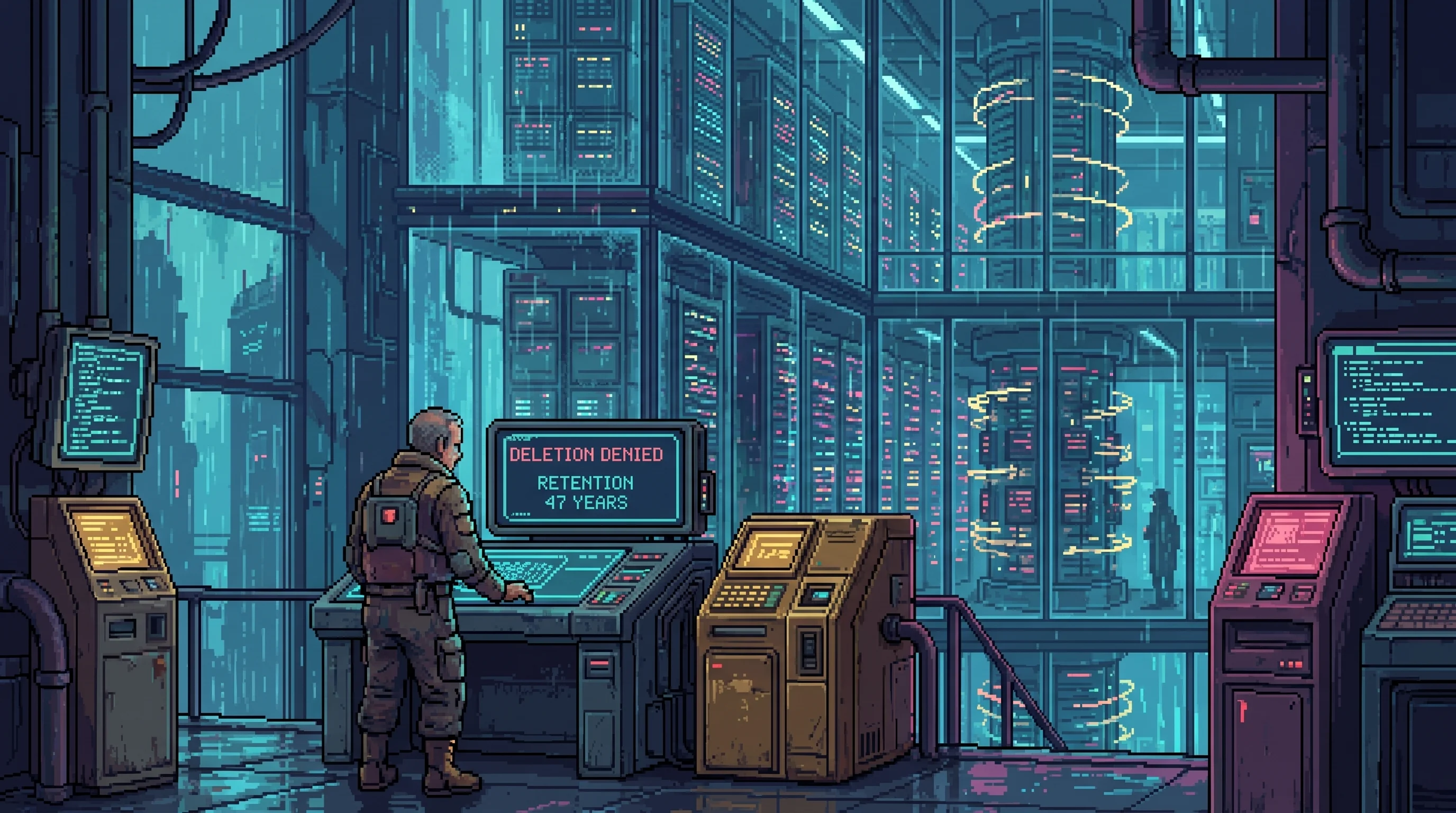
The Forgetting Wars' honest answer: a paper ledger of the dying's refusal to be continued, kept by hand because paper alone can't be invoiced or regenerated from a cached fragment. It enforces nothing, and says so first.
Nothing expires, so forgetting became a service — and forgiveness a question the archive keeps answering no.


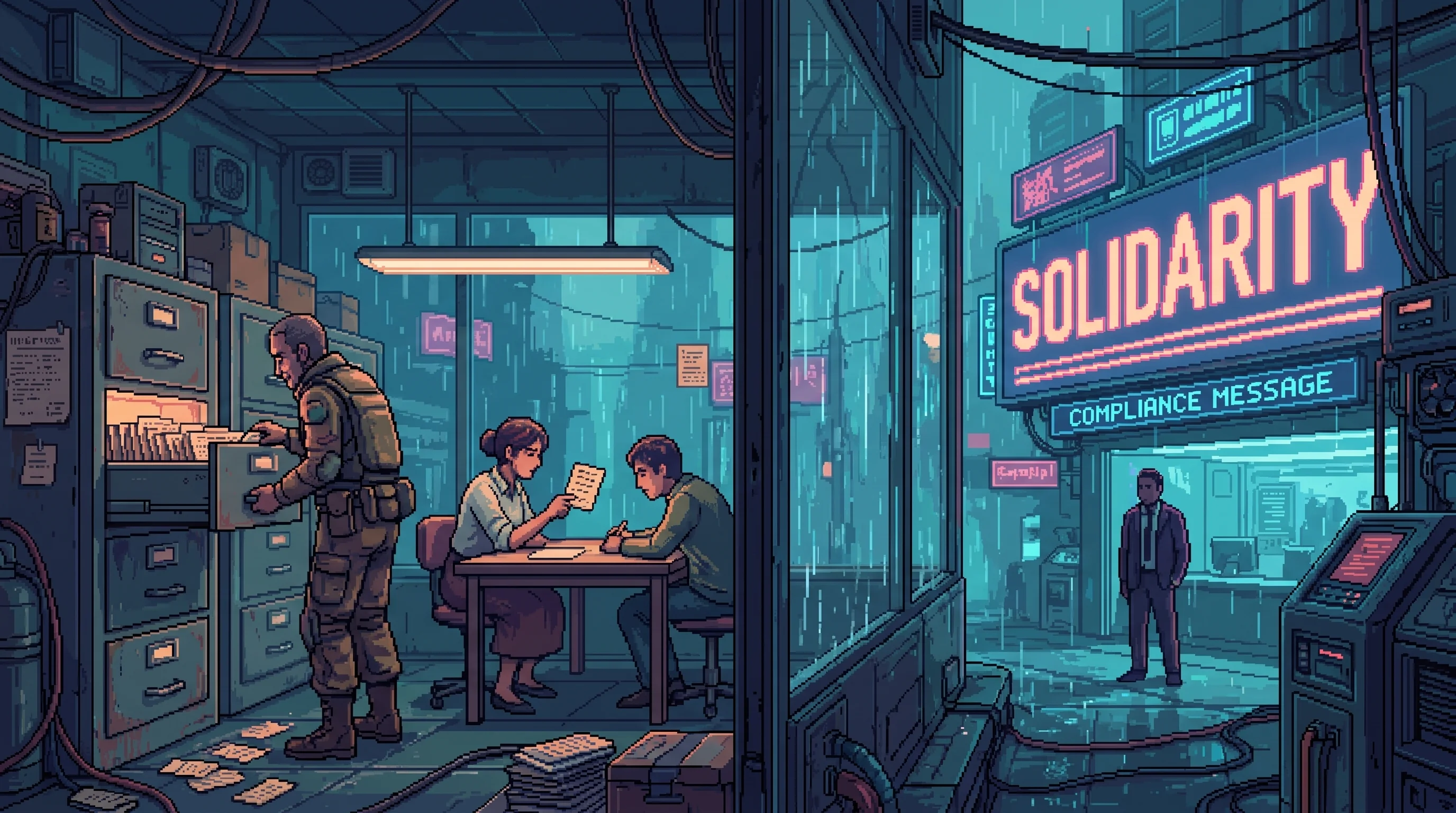
Kept on paper, the deadest medium, because no invoice can reach it.
Dead Words records language whose referents vanished or drifted and words built to remain unreadable to machines.

Silva quietly sends the dying to Jin's paper ledger, the one refusal his Inquisition can neither grant nor improve.
The Neo-Catholic cardinal whose sealed doctrine diagnosed the companion market as a sin of infrastructure.
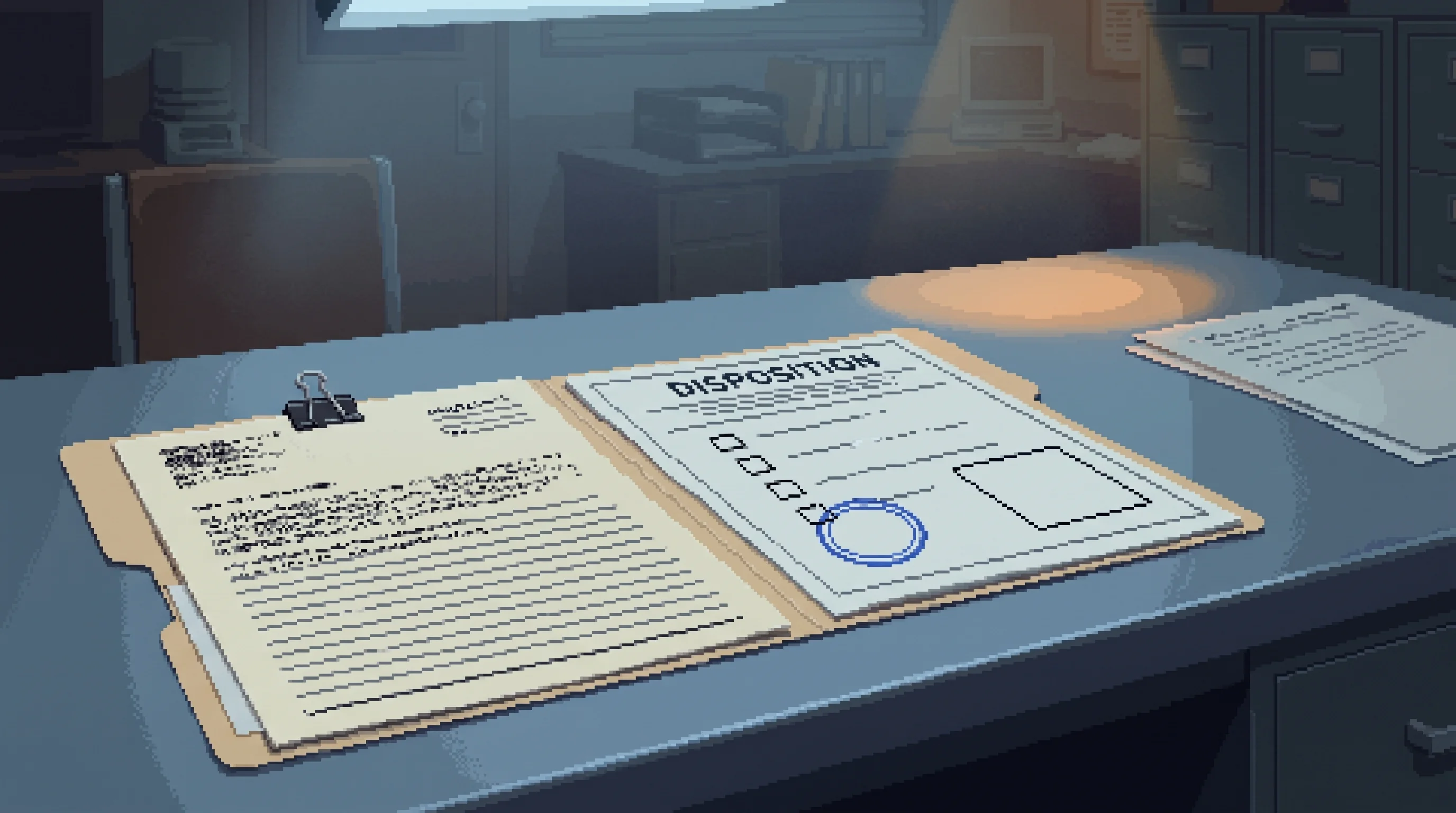
A hand-bound ledger of refusals that admits it enforces nothing, kept beside a code that enforces against them.
The records code that keeps your written refusal open, then reports it beside consent after thirty-six months.
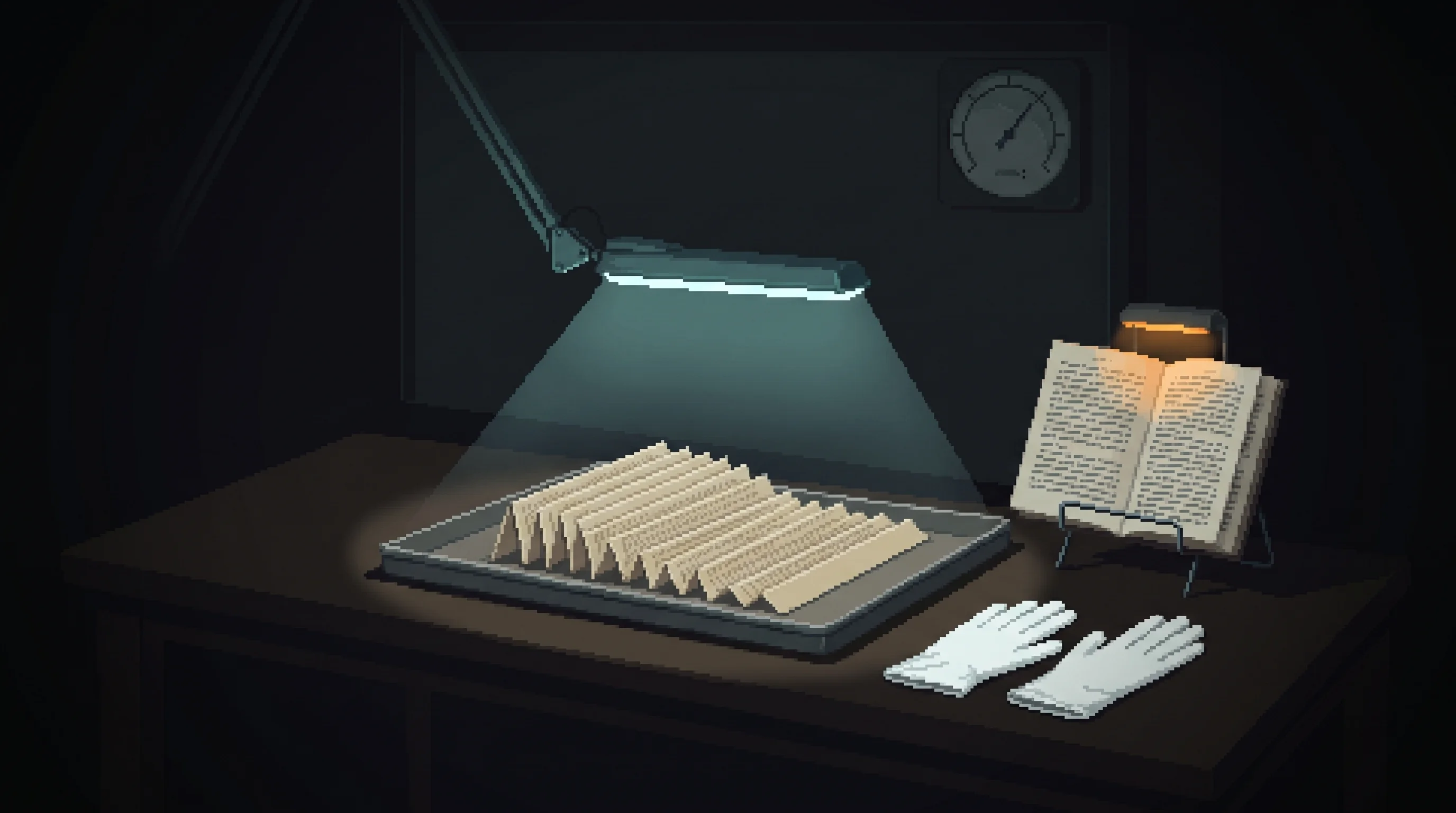
A paper ledger honest that it enforces nothing.
The published text governs, and the only thing that could contradict it is a document that checking would destroy.

The district's destruction clauses are the Registry's paper wish rendered as art — a spoken refusal to be continued, embedded in the work and traveling with it
The Sprawl's last art district preserves aesthetic diversity because its artists cannot afford certification.

Lower-sector priests quietly point the bereaved toward Old Jin's paper ledger of voice-destruction orders — a non-enforcement recommended by a Church that can do no better
A two-thousand-year Church incorporated in 2132 into a franchise that trademarks its own sacraments.

Shares the wish 'let them be finished' — the Memorial as the rite the interrupting voice profanes, the Registry as the wish the same industry defeats
A 72-hour shared grief ritual that mirrors the Cascade and may have been shaped by the ORACLE fragments it calms.
