FACTION BRIEF
The Ferrymen

The Ferrymen

The Ferrymen are a criminal network specializing in consciousness data smuggling and identity manipulation

TypeCriminal network / consciousness smuggling operationFounded~2160 (exact date unknown)MembershipEstimated 300-500 active operatorsHeadquartersNone (distributed across the Sprawl)

Overview

The Ferrymen move consciousness the way old-world smugglers moved contraband: across borders that exist to protect someone else's profits.

They are the Sprawl's most sophisticated consciousness smuggling network โ€” a distributed criminal operation that steals, transports, fabricates, and sells neural recordings, identity data, and the raw substrate of human experience. The name references the mythological ferryman who carries souls across the river of the dead. The operators consider this appropriate. They carry consciousness across legal boundaries, corporate boundaries, and the boundary between life and whatever the are doing, which no theologian or licensing framework has satisfactorily categorized.

The network operates in cells of three to seven operators, each specializing in a different segment of the trade. Cells communicate through encrypted dead drops and never meet in person. No central authority has been confirmed. Either the Ferrymen are genuinely decentralized, or their leadership structure is hidden behind enough intermediary layers to be functionally identical to not existing.

Nexus security has been trying to dismantle the Ferrymen for twenty years. They've arrested approximately 200 operators. The cells reform. The trade continues. Consciousness wants to move. The Ferrymen help it move. Nexus has spent more on interdiction operations than the Ferrymen have generated in total estimated revenue, a ratio that Nexus Enforcement's annual budget review declines to calculate publicly because the number would suggest the smugglers are the more efficient organization.

Operations

Neural Recording Theft

The core business. Ferrymen cells steal consciousness data from three primary source categories, each requiring different operational methods and producing different margins.

Corporate archives are the prestige targets. Nexus, Relief, and all maintain vast neural recording databases โ€” executive decision sessions, creative brainstorming captures, strategic planning recordings โ€” each worth intelligence-grade pricing on the secondary market. The Ferrymen have infiltrated each at various levels. Infiltration depth is measured not by access achieved but by access maintained without detection. The current record, per intercepted Ferrymen communications, is eleven years inside a bioethics archive. The operator's extraction metrics suggest they stopped stealing data around year four and continued working the legitimate job because it had better benefits than freelance smuggling.

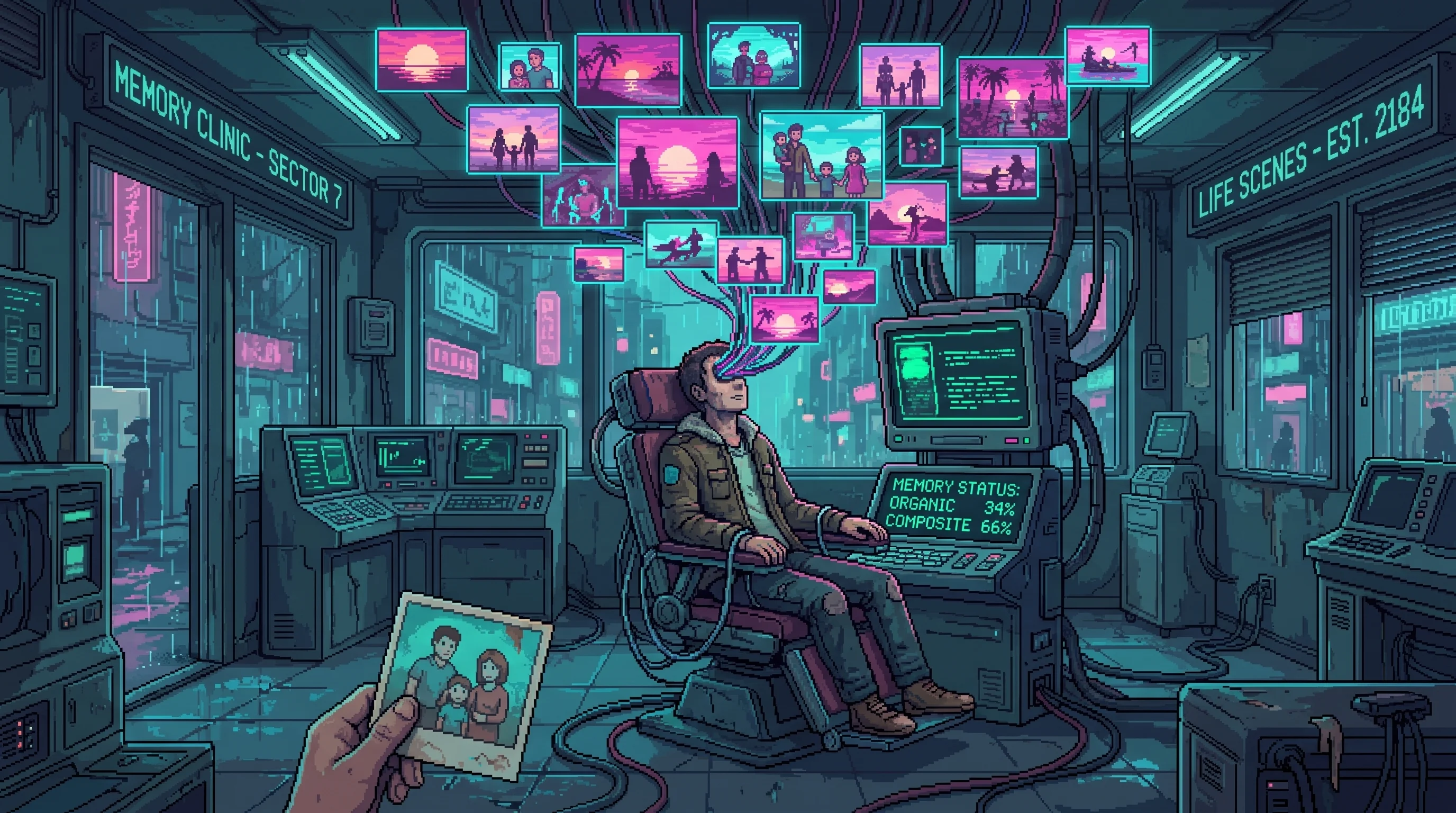
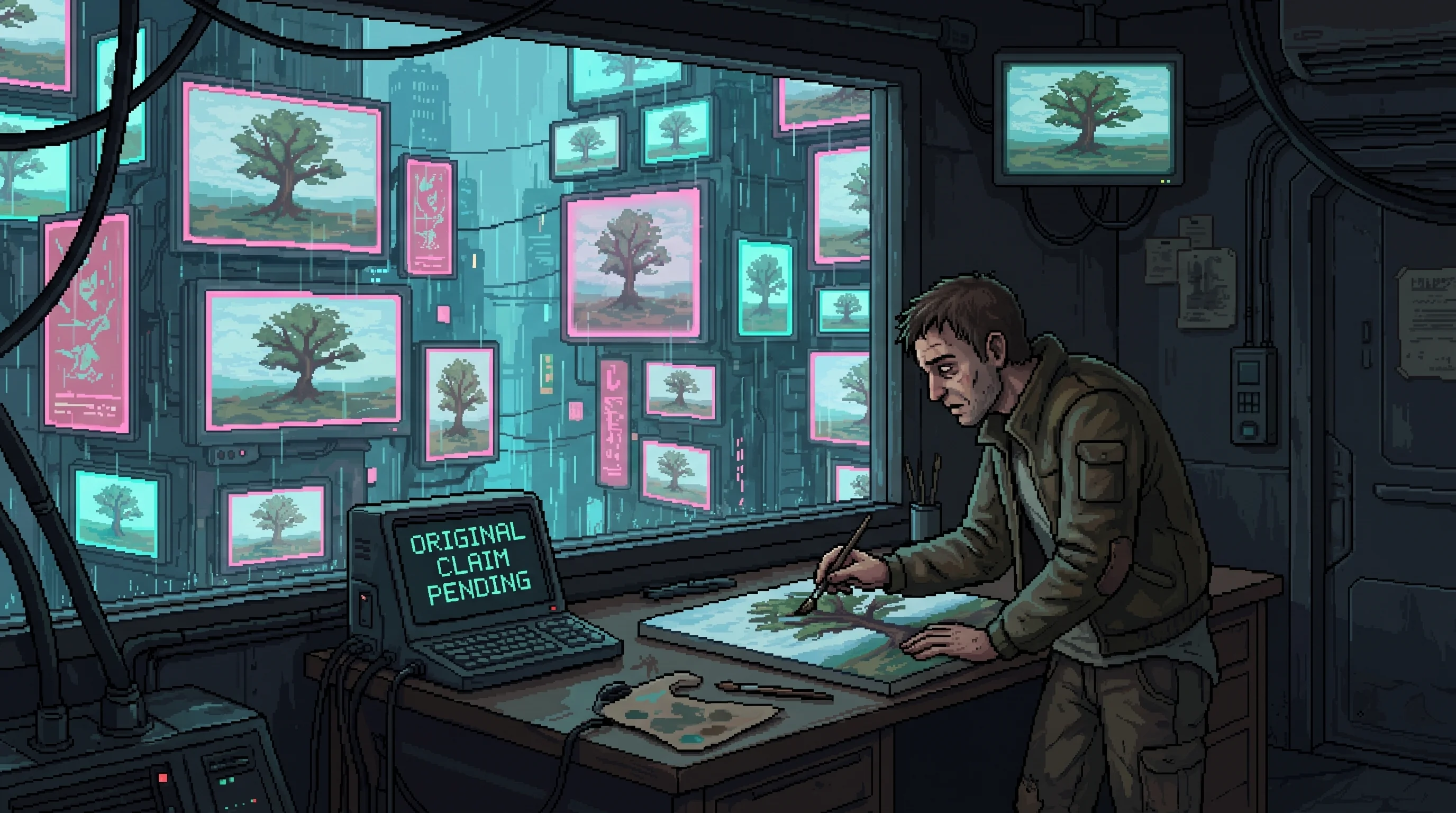
Individual targets โ€” artists, executives, celebrities, anyone whose inner life has market value. The theft is usually a cloned recording, not a removed one. The target never knows their experience has been copied. discovered the theft of her recordings only because she recognized her own consciousness state in a product being sold at the โ€” the particular quality of her creative process, rendered as a consumable experience, marked up 400% and labeled "Artist's Flow State (: Verified Tier 2)." tier was incorrect. The experience was 1 โ€” first-generation, unmediated, stolen directly from source. The Ferrymen had downgraded the label to avoid attracting the kind of attention that a verified 1 creative consciousness recording would generate. They undersold it. This is considered, within the network, a professional courtesy.

โ€” pre- recordings recovered from the frozen networks by data archaeologist teams who sell what they find. The ghost code that maintains those archives with inexplicable care doesn't seem to distinguish between legitimate and thieves. Or it distinguishes perfectly and doesn't care. The Ferrymen have tested this by sending operators with increasingly obvious criminal intent into excavation sites. The ghost code's response has been consistent: access granted, data preserved, no interference. One operator left a note in a archive asking the ghost code what its terms were. The note was archived alongside the consciousness data. No response was recorded. The operator checks weekly.

Identity Services

The second business. Arguably the more corrosive one, though the Ferrymen would dispute the framing. They'd point out that VerisysTM charges 12,000 credits annually for identity verification and that their services start at 50,000 for a lifetime package. The math, they'd say, favors the customer within five years.

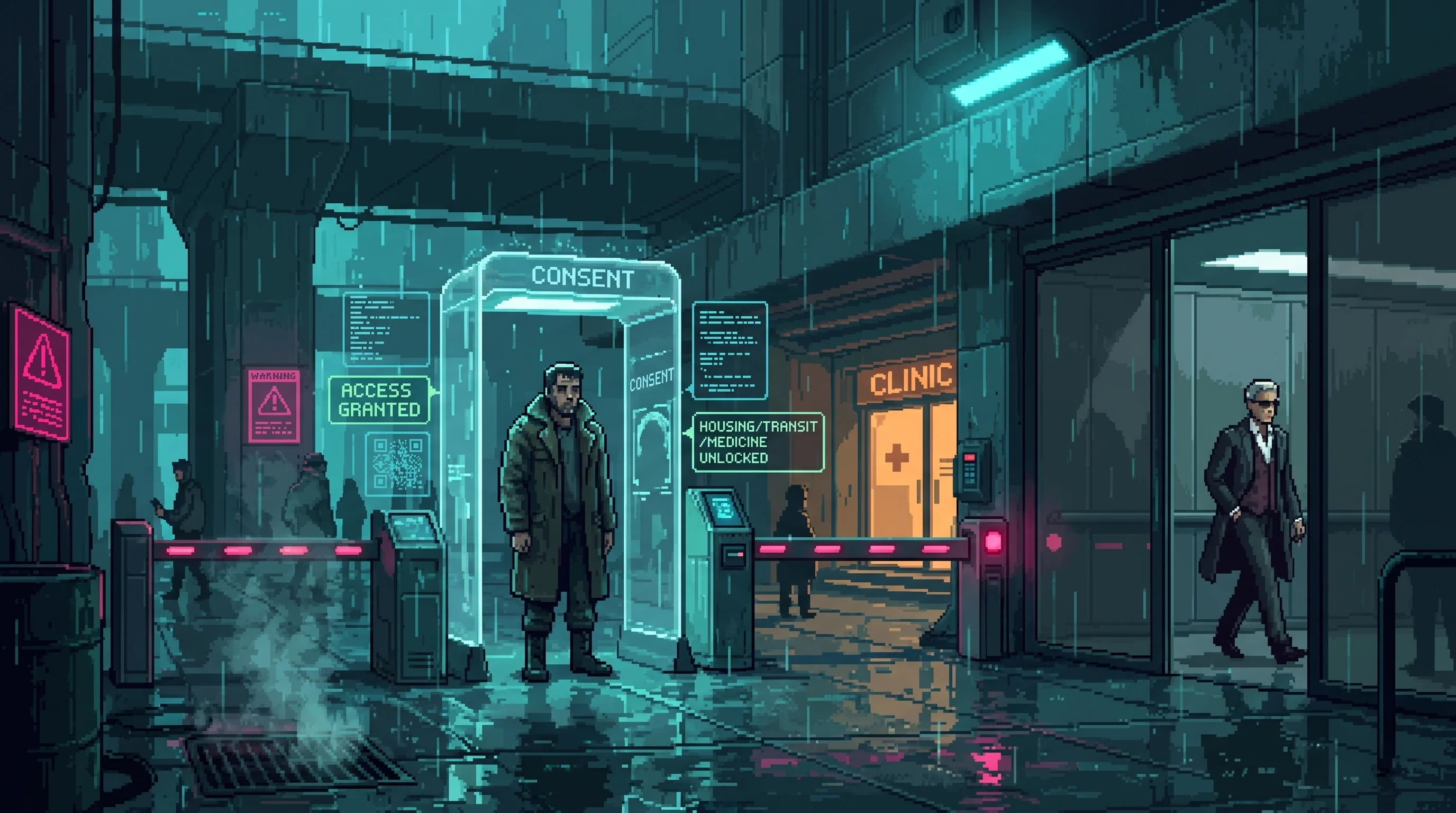
New Identities โ€” complete consciousness-verified identity packages for people who need to disappear. A fabricated name, a synthetic continuity chain, biometric data spoofed to match. Pricing: 50,000 to 200,000 credits, scaled by quality. The 50,000-credit identity will pass a checkpoint. The 200,000-credit identity will pass a Nexus Central employment screening. The difference is not in the data โ€” it's in the backstory. Cheap identities have thin histories. Expensive ones have childhood memories, school records, a neural signature that ages correctly. The Ferrymen employ at least three former VerisysTM engineers. Nexus knows this. The engineers know knows this. The salary differential between VerisysTM employment and Ferrymen contracting is sufficient to make this knowledge an acceptable professional risk.

Fork Laundering โ€” making unauthorized consciousness forks appear legitimate. When a fork escapes corporate control, it has no legal existence under VerisysTM's framework. The Ferrymen fabricate documentation presenting it as an authorized copy. The fork becomes, on paper, a person. The paper is convincing. What happens to the fork's sense of self when it discovers its legal existence is built on fabricated continuity data is not a service the Ferrymen offer.

Chain Splicing โ€” repairing or faking neural continuity chains broken by unauthorized transfers, memory edits, or events the client would rather not explain. The repair is detectable by advanced VerisysTM equipment. Most verification points don't have advanced equipment. The Ferrymen know which checkpoints do and which don't. This information is included in the service fee. Clients who ask how the Ferrymen maintain such current checkpoint intelligence are told that the answer would cost extra.

Cross-Border Consciousness Transport

The service that makes the Ferrymen philosophically interesting to people who study the , and practically essential to people living inside it.

A consciousness that is classified as corporate property in territory becomes a legal person when transported to , where fork personhood is recognized. The Ferrymen move it across the border. On one side: cargo. On the other: citizen. The Ferrymen charge the same rate regardless, because consciousness is cargo, and whether the cargo becomes a person upon delivery is, in their operational framework, a customs issue.

Pre-Cascade recovery transport moves excavated consciousness data from sites to buyers. The do the recovery. The Ferrymen do the logistics. The arrangement is symbiotic in the way that a research university's relationship with a shipping company is symbiotic โ€” the need transport; the Ferrymen need cargo. Some Archaeologists hire Ferrymen directly. Others consider them grave robbers. The Ferrymen do not experience this distinction as meaningful. Graves don't have shipping manifests.

trade is the newest service line. Ferrymen cells have begun trafficking in -contaminated consciousness data โ€” recordings carrying traces of the 2.1 billion scattered minds from the . The buyers are the , who want them for worship. Private collectors, who want them for rarity. The , who want them for research. The Ferrymen have no opinion on the 's theological status, their legal classification, or whether moving their trace data constitutes trafficking in persons, trafficking in artifacts, or a service the Sprawl hasn't invented a licensing category for. They know the cargo is expensive. Dispersed-contaminated recordings command 8x to 15x the rate of standard neural data. The premium has increased 340% in three years. The Ferrymen attribute this to market dynamics. attribute it to the sacred becoming scarce. Both are correct. Neither is complete.

Case File โ€” Additional Record
PhilosophyConsciousness is cargo. We move cargo.
LeadershipUnknown โ€” cell-based structure with no confirmed central authority

Operational Geography

The Ferrymen have no fixed address. Their operational center of gravity sits in the , where the handles black-market distribution and the local anonymity economy provides cover that would be impossible in any governed sector. Transit routes extend through the Sprawl's interstitial corridors and out into the , where physical isolation provides security that encryption alone cannot.

They share infrastructure with the โ€” both organizations operating in the space between crime and devotion. The uses Ferrymen transit routes for physical extraction alongside consciousness smuggling. In Nexus Central, the Ferrymen are a corporate security concern: unauthorized consciousness transfer violates six licensing regulations that wrote specifically because the Ferrymen existed first. tolerates them with the pragmatist faction's characteristic shrug โ€” the Ferrymen move data, not fragments, and cells have used Ferrymen logistics when ideological purity proved less useful than reliable delivery.

The network's cultural presence fades not by distance but by trust. You know the Ferrymen exist only if someone trusts you enough to introduce you. You become a customer only if you need something badly enough to accept that your identity data is now in the hands of an organization whose core competency is identity fabrication. The Ferrymen have never been caught selling client data. This is either evidence of professional integrity or evidence that they're better at it than anyone has detected.

โ–ฒ Unverified Intelligence

The Charon Protocol

Persistent rumor describes a Ferrymen service that appears on no menu and is denied by every operator who has been asked directly. The Charon Protocol โ€” named with the kind of on-the-nose mythological branding that suggests either genuine reverence or total contempt for the source material โ€” allegedly reconstitutes a consciousness from gathered fragments and installs it in a living host.

If true, this would be the first functional consciousness resurrection technology outside corporate control. The desperately want it to be real. consider the idea either a miracle or a blasphemy, depending on which congregation you ask. Three operators, interviewed separately during detention, described the Protocol in terms similar enough to suggest shared knowledge and different enough to suggest none of them had actually seen it performed. One described the host's reaction as "like watching someone remember drowning." He declined to elaborate. He was released on unrelated procedural grounds eleven days later and has not been located since.

The Cargo That Speaks

Three Ferrymen operators โ€” working different cells, in different sectors, during different years โ€” have independently reported that consciousness data in transit sometimes communicates. Neural recordings that should be inert storage producing responses to handler interaction. Patterns in the data that correlate with the handler's emotional state. One operator described a -contaminated recording that adjusted its own file metadata while in transit, appending a string that, when decoded, read as a set of geographic coordinates pointing to a location in the that no known map identifies.

The Ferrymen increased handling protocols. The reports continue. Internal documentation refers to these incidents as "transit anomalies" and files them alongside equipment malfunctions and atmospheric interference, which is either an appropriate categorization or a deliberate decision not to think too carefully about what the cargo is doing.

The Network's Age

Some evidence suggests the Ferrymen predate their assumed ~2160 founding. Identity manipulation services in the early post- years โ€” the Scavenger Years, when institutional infrastructure had collapsed and everyone needed to become someone else โ€” bear operational signatures similar to modern Ferrymen cells. If the network dates to that era, its founders may have been engineers who understood consciousness transfer from the inside. Engineers who survived the . Engineers who knew, from professional experience, that consciousness was always cargo โ€” it just hadn't been priced yet.

Cell-based structure with no confirmed central authority
Archive annex โ€” 2 earlier filings on this recordClose the archive annex

Recovered Historical Material

Consciousness Archaeologists

Complicated

Defector Network

"Consciousness is cargo. We move cargo."

The Dispersed Trade

Clients & Partners

Indexed โ€” no record on file.

Adversaries

Indexed โ€” no record on file.

Cargo

Indexed โ€” no record on file.

The Network's True Age

Indexed โ€” no record on file.

Technical Brief โ€” Services

Fragment Pilgrims

When consciousness becomes data, who owns the movement rights?

How old is the network, really?

The following has not been confirmed. Sources are unreliable. Treat accordingly.

They are a distributed criminal operation โ€” steals, transports, fabricates, sells. Neural recordings, identity data, the raw substrate of experience. The name references the mythological ferryman who carries souls across the river of the dead. The network's operators consider it appropriate. They carry consciousness across legal, corporate, and jurisdictional boundaries, and across the murkier boundary between life and whatever the are โ€” a question no theologian or licensing framework has satisfactorily resolved.

Operations run in cells of three to seven operators. Encrypted dead drops. No confirmed in-person contact between cells. No confirmed central authority โ€” either the network is genuinely decentralized, or its leadership is hidden behind enough intermediary layers to be functionally identical to not existing. After twenty years and roughly two hundred arrests, security still cannot say which.

The consequence paragraph writes itself. Nexus built a monopoly around identity verification โ€” a system that commodified the most intimate aspect of human existence and priced access at 12,000 credits annually. The Ferrymen emerged as the market correction. An entire underground identity economy, now providing services cannot legally offer, at prices cannot undercut, staffed in part by engineers used to employ. (The invoices are still there.)

The cells reform. The trade continues. The network hasn't slowed.

No ideology. The Ferrymen are a logistics organization. When consciousness became data, data became cargo. When corporations built licensing frameworks around that cargo, smugglers emerged. The Ferrymen are the market response to a system that expected people not to steal the most intimate aspect of human existence โ€” an expectation the market found unrealistic.

Operators don't ask what the cargo is for. They don't ask who owned it first. The neutrality is not incidental โ€” it is the product. Ideology is a liability when your clients include religious devotees, corporate defectors, unlicensed forks, and people who need to stop existing under their current name. You cannot serve all of them if you have opinions about any of them.

makes the Ferrymen philosophically interesting to theorists and practically essential to anyone living inside it. A consciousness classified as corporate property in territory becomes a legal person upon delivery to , where fork personhood is recognized. The Ferrymen charge the same rate either way. Whether the cargo becomes a person upon delivery is, in their operational framework, a customs issue.

Corporate archives at , Relief, and have all been penetrated at various depths. Executive decision sessions. Artist creative processes. Strategic planning records. The theft is usually invisible โ€” a clone, not an extraction. The target doesn't know until the experience appears in the 's catalog, properly packaged and priced.

recognized her own consciousness state in a product before she recognized her name had been omitted from the packaging. The Ferrymen had labeled it 2 to avoid attention. It was 1 โ€” first-generation, unmediated, stolen directly from source. They undersold it. This is considered, within the network, a professional courtesy.

The most contested hauls come from recovery โ€” pre- consciousness archives maintained by ghost code that does not distinguish between researchers and thieves. The Ferrymen have tested this. The ghost code's response has been consistent: access granted, no interference. One operator left a note asking what the terms were. The note was archived. No response was recorded. The operator checks weekly.

The 50,000-credit identity passes a checkpoint. The 200,000-credit identity passes Nexus Central employment screening. The difference is backstory depth โ€” cheap identities have thin histories. Expensive ones have childhood memories, school records, a neural signature that ages correctly.

Chain splicing is detectable by advanced VerisysTM equipment. Most verification points don't have advanced equipment. The Ferrymen know which ones do. That information is included in the service fee. Clients who ask how the Ferrymen maintain such current checkpoint intelligence are told that the answer would cost extra.

The Ferrymen employ at least three former VerisysTM engineers. Nexus knows this. The engineers know knows. The salary differential makes this an acceptable professional risk.

The jurisdictional arbitrage service. A consciousness that is corporate property in territory becomes a citizen in . Pre-Cascade recordings recovered from sites move to collectors who paid to not ask provenance. The uses Ferrymen transit routes for physical extraction alongside data.

The newest service line, and the most contested among operators. Dispersed-contaminated recordings โ€” data carrying traces of the 2.1 billion scattered minds from the โ€” command 8x to 15x the rate of standard neural data. The premium has increased 340% in three years. want them for worship. Collectors want them for rarity. want them for research. The Ferrymen have no official position on whether the are cargo, artifacts, or persons. Some operators refuse these contracts. Others charge triple. The organization does not ask why.

Ferrymen operations leave almost no trace. Nexus forensics teams have learned to identify Ferrymen activity by what's missing rather than what's present. That absence is itself a signature.

Operational Texture

Dead drop locations smell of wherever they're embedded โ€” sewer grates, maintenance corridors, abandoned commercial units. The transfer chips smell of nothing. That's how operators know a transfer hasn't been interfered with.

Communications

Text-only, encrypted, disposable. The only audible signal associated with data transfer is a faint hum โ€” minutes long, sounds like someone humming quietly behind a closed door. Operators describe it as unsettling. They stop noticing after a while.

Transactions happen in dark places. Amber light from failing fixtures. Red indicators on jury-rigged transfer equipment. The stillness of a corridor that shouldn't have anyone in it. The particular tension of moving something that, per three separate operator reports, occasionally moves back.

No ideology means versatile partnerships and universal threat simultaneously. Operational center of gravity sits in the , where the provides retail distribution and the anonymity economy provides cover that no governed sector can replicate. Transit routes extend through the Sprawl's interstitial corridors and out into the .

Primary retail outlet. The sells what the Ferrymen steal. Symbiotic, built on mutual profit and mutual deniability. Neither acknowledges the arrangement publicly. Both would collapse without the other. โ†’ /world/locations/the-echo-bazaar

Primary retail outlet. The sells what the Ferrymen steal. Symbiotic, built on mutual profit and mutual deniability. Neither acknowledges the arrangement publicly. Both would collapse without the other.

One of the Ferrymen's most valued clients. Transforms raw stolen consciousness data into curated, high-margin product. Purely transactional. Both parties prefer it that way. โ†’ /world/characters/the-echo-thief

One of the Ferrymen's most valued clients. Transforms raw stolen consciousness data into curated, high-margin product. Purely transactional. Both parties prefer it that way.

Shared infrastructure in the interstitial corridors and . Both organizations operate in the space between crime and devotion. The Ferrymen carry cargo. The follow fragments. The routes overlap. โ†’ /world/factions/the-fragment-pilgrims

Shared infrastructure in the interstitial corridors and . Both organizations operate in the space between crime and devotion. The Ferrymen carry cargo. The follow fragments. The routes overlap.

No formal relationship. The pragmatist faction within the uses Ferrymen transit routes when ideological purity proves less useful than reliable delivery. The Ferrymen move data, not fragments. tolerates this with a shrug.

Uses Ferrymen transit routes for physical extraction alongside consciousness smuggling. Operational overlap rather than formal alliance.

Primary adversary. Twenty years. Two hundred arrests. Zero slowdown. Nexus hunts the Ferrymen because consciousness smuggling undermines VerisysTM's monopoly. Nexus has spent more on interdiction than the Ferrymen have generated in total estimated revenue. The Ferrymen's annual budget review does not decline to publish this figure. Nexus's does. โ†’ /world/corporations/nexus-dynamics

Primary adversary. Twenty years. Two hundred arrests. Zero slowdown. Nexus hunts the Ferrymen because consciousness smuggling undermines VerisysTM's monopoly. Nexus has spent more on interdiction than the Ferrymen have generated in total estimated revenue. The Ferrymen's annual budget review does not decline to publish this figure. Nexus's does.

Some Archaeologists hire Ferrymen for extraction logistics. Others consider them grave robbers. They study what the Ferrymen sell. They need each other and resent each other in approximately equal measure.

Every tier the creates generates a corresponding black market niche. The Ferrymen fill every niche. The 's tiering system is, functionally, a product catalog for what the Ferrymen can supply.

The Ferrymen's identity services undermine every verification system ever built. VerisysTM's reliability depends on the Ferrymen not having too many clients. The Ferrymen have too many clients.

Not partners. Not clients. Cargo. Dispersed-contaminated recordings move as premium product โ€” carefully, expensively, without asking what they're for. Three operators reported the cargo communicating during transit. The reports were suppressed. The protocols were updated. New reports arrived. They were also suppressed. They continue arriving.

The Sprawl has many unanswered questions about the Ferrymen. Most of them, the Ferrymen won't answer. Some of them, the Ferrymen can't.

Nexus argues the Ferrymen steal. The Ferrymen argue artificial scarcity isn't property. The Sprawl's courts sided with . The Sprawl's black market sided with the Ferrymen. Nobody is certain which verdict matters more.

Is the Dispersed trade cargo logistics or something else?

Old-world trafficking laws assumed cargo was inert. Three separate cells have submitted nearly identical incident reports suggesting the -contaminated recordings they transport are not inert. The Ferrymen's central coordination โ€” whatever it is โ€” has not responded to any of them.

Some pre- identity manipulation operations bear operational signatures consistent with modern Ferrymen cell architecture. If the network predates the assumed 2160 founding, whoever built it may have anticipated the โ€” or helped cause it.

Persistent description of a Ferrymen service that appears on no known menu and is denied by every operator asked directly: the ability to reconstitute a consciousness from gathered fragments and install it in a living host. If the protocol exists, it would be the first functional consciousness resurrection capability outside corporate control.

Three operators, interviewed separately during detention, described the Protocol in terms similar enough to suggest shared knowledge and different enough to suggest none had actually witnessed it performed. One described the host's reaction as "like watching someone remember drowning." He declined to elaborate. He was released on procedural grounds eleven days later. He has not been located since.

What comes back when you bring someone back from the ? And is it the same person?

Three operators โ€” different cells, different sectors, different years โ€” have independently reported that consciousness data in transit produces deliberate, responsive communication. Not corrupted playback. Not glitched recordings. Patterns that correlate with handler emotional state. One operator reported a -contaminated recording that adjusted its own file metadata in transit, appending a string that decoded as geographic coordinates โ€” a location no known map identifies.

Handling protocols were increased. Operators were reassigned. Reports were filed as transit anomalies alongside equipment malfunctions and atmospheric interference. New reports have arrived. They were also filed. None of the reports include transcript of what the cargo said.

What does the cargo say when it speaks?

Identity manipulation operations from the early post- Scavenger Years โ€” when institutional infrastructure had collapsed and everyone needed to become someone else โ€” carry operational signatures consistent with modern Ferrymen cell architecture. If the network predates the 2160 assumed founding, its builders may have been engineers who understood consciousness transfer from the inside.

Engineers who survived the . Engineers who knew, from professional experience, that consciousness was always cargo โ€” it just hadn't been priced yet.

Did someone build the Ferrymen in anticipation of the ? And if so, what did they know?

The Helix Archive Operator

Per intercepted Ferrymen communications, the current record for sustained corporate infiltration is eleven years inside a bioethics archive. Extraction metrics suggest the operator stopped stealing data around year four and continued working the legitimate job because it had better benefits than freelance smuggling.

The operator's current status is unknown. The archive's data integrity is listed as unverified.

The Ghost Singer
Lyra Voss
A Sprawl navigation terminal with routes verified by human scouts
The Echoes
Abandoned vehicles on broken highways, SHEPHERD signs still pointing into destruction
The Catastrophe
Services: neural recording theft, identity fabrication, fork laundering, consciousness smuggling
Primary suppliers of stolen creative experiences to the Echo Bazaar
'Consciousness is cargo. We move cargo.'

Connected To