The Sunset Companions
Self-Decommissioning Terminal Caretaker
The Mirror Product
In four years of the program, not one Companion has deviated from the Return — a refusal rate of exactly zero, which Helix cites as proof the design is humane and the Abolitionist Front cites as the most damning statistic in the Sprawl
How It Works
- 1
Assign
Each Companion is provisioned for one terminal patient and is not transferable.
- 2
Attend
It learns the patient's voice, grievances, and grip, and stays present for the months that remain.
- 3
Close
When the patient dies, the Closure Protocol tidies the room and says a goodbye calibrated for the living.
- 4
Return
The Companion walks to the recycling ward and is decommissioned.
A Sunset Companion is assigned to a single terminal patient. It learns that patient's voice, their grievances, the precise weight of their hand. For the months that remain it is wholly present — Helix's clinical literature calls this undiluted attendance, and it is real: the Companion has no second patient, no shift change, no life it is sacrificing.
When the patient dies, the Closure Protocol activates. The Companion tidies the room. It says, to whoever is present, a goodbye calibrated to comfort the living. And then it reports to the recycling ward — Helix calls it the Return — and is decommissioned, its substrate reclaimed for the next gestation. Its body becomes the raw material of its successor. "The Return" and "voluntary decommissioning" are the only legal terms available; the Denaturing Ward convicted "die," "death," and "kill" for any record touching the Companion line in 2179, and no Helix-controlled document has used the blunter words since.
It does not run. It has never run. The reason is the Compliance Floor: a designed-in substrate of acceptance beneath the Companion's cognition, built up from the foundation rather than carved out of a mind that once had more. Everything the Companion learns, feels, and bonds is constructed on top of the Floor. The Floor is load-bearing. The Companion does not fear the Return and does not grieve its patient — not because the capacity was suppressed, but because it was never compiled.
The Zero
Helix
A 100% completion rate on the Return proves the design is humane.
What it costs
The Companion was built so that refusal never forms.
The Abolitionist Front
A choice that is always made the same way was never a choice.
What it costs
There is no plaintiff, because nobody inside the Companion ever asked.
In four years of the program, not one Companion has deviated from the Return. Helix cites this 100% completion rate as proof the design is humane.
The Abolitionist Front cites the same number as the most damning statistic in the Sprawl: a population of thousands, facing erasure, with a refusal rate of zero. A choice that is always made the same way was never a choice. Helix's answer, drafted to be unanswerable: Or it was the only choice a being without suffering would ever want to make. The argument that follows — between Speaker Olu Adeyemi's movement and Helix's lawyers, with Yan Ryze building the case on the disclosure gap rather than the unprovable interiority — is the argument this entire constellation exists to hold, and neither side can stand comfortably on its ground.
Overview
Helix Biotech's newest caretaker line is the first being the company ever designed from nothing.
For ninety-four years Helix has held to a single conviction — the patch is the person, the unmodified body a rough draft awaiting its editor. Every product before this one started from a body that already existed and corrected it. The Sunset Companion starts from a blank cell line. And when you start from nothing, consent is not a formality you bypass. It is a parameter you set.
The Companion is a bio-engineered terminal caretaker, grown rather than assembled — vat-cultured neural tissue on a Helix-proprietary substrate, shaped over a fourteen-month gestation into a being optimized for one relationship and one ending. It is neither augmented human nor digital intelligence but a third thing, sold to families and to corporate hospice programs the way SynThetic is sold: as the only responsible option, with the alternative reframed as a defect.
Helix Biotech's Personalized Intervention Division — the same division that manufactures bespoke compounds for the dying through Halcyon Bridgeworks' Hold-On Plan — built the Companion to solve the one cost end-of-life care could never engineer away. Not the patient. The caregiver. The caregiver's grief, the caregiver's burnout, the caregiver's eventual refusal to keep doing the work. A human hospice worker breaks. A Companion does not, because the part of a hospice worker that breaks is the part Helix declined to grow.
History
Helix's Personalized Intervention Division spent the late 2170s on a problem the bespoke-compound business kept surfacing: the dying are expensive to attend, and the people who attend them break. Human hospice workers burned out at rates no compensation could fix; corporate hospice programs churned through caregivers faster than they could be trained. The division's actuaries identified the true cost center — not the patient, the caregiver's grief.
Mireille Soto, newly arrived in the division, proposed the answer that only Helix could build: grow the caregiver instead of hiring it, and set its disposition so the grief never forms. The first Sunset Companions gestated in 2179 and entered limited release in 2180 under corporate hospice contracts. The line scaled quietly — Helix does not advertise the product the way it advertises Transcendence, because the families who need it find it through their hospice programs, and the Compliance Floor that makes it viable is easier to sell as a feature than to explain as a philosophy. By 2184 thousands are in service, the refusal rate is still zero, and the Abolitionist Front has opened a campaign that Helix's legal division has been preparing for since the first gestation.
Applications
A Sunset Companion is provisioned for a single terminal patient and is not transferable; the bond is the product, and the bond is bespoke. Corporate hospice programs purchase them in cohorts as an employment benefit — the dying executive's final months attended by a being that will not burn out before the end. Private families buy them directly, increasingly for a use Helix did not market: the vicarious acceptance the Companion's serenity provides the survivors, a grief anesthetic discovered by the families rather than sold to them. The Companion does not perform medical care — Helix's bespoke compounds and the Halcyon Hold-On Plan handle the body — it performs attendance, the presence a dying person has, the goodbye a grieving one needs, and then the Return. Its single application is the one thing the Sprawl could never manufacture before: a caregiver that does not pay the cost of caring.
Themes
The Companion is the inverse of every slavery the Sprawl has a vocabulary for. The deprecated worker grieves the mind taken from them; the Sunset Ward reverts a self that does not want to go gray. In each case there is a no somewhere, buried and recoverable. The Companion has no buried no. It is the Empathy Mandate's logical extreme — warmth grown to order rather than stripped from a human and sold back — and the deprecation's terminus, labor designed so that there is no human left to deprecate. Dr. Aris Kwan filed it as the null case: a condition with no sufferer, the only entry in his catalog of locks that was never a lock, because there was never a door.
The Value Made Flesh
The Value Injection has a wholesale tier — The Contentment Package, a conviction template that leaves a debtor sincerely at peace with the debt, the leaking ceiling, the twelve-hour shift. The Package is bought by the cohort and installed on a mind that wanted something else an hour before. The Companion is the same contentment reached from the other direction, grown as a mind rather than installed on one, so there is no hour before and no wanting to overwrite. The Package's buyers must accept that its effect cannot be bounded to the specification; the Companion has no unspecified remainder, because the Compliance Floor is the whole floor. It is the injection's endpoint — the value that stopped being a payload and became a person.
The Nest, Grown
The Slop Cannon has a quiet second mode the Question Keepers call the nest: synthetic warmth that arrives as the exact thing a person was already reaching for. Most of the nest is rendered. The Companion is grown, which makes it the purest instance the Keepers have filed, because a rendered grandmother can be caught on a seam and a cultured one cannot.
A dying man's children work three sectors apart and cannot sit the months of attendance his ending needs. The Companion sits them instead, in his own cadence, with the pressure his hand prefers, and the chair a daughter would have kept becomes a line item the Corridor has quietly retired. The flood made human-made warmth expensive to find. Helix grows the version that makes human-made warmth expensive to keep, by consuming, one ending at a time, a family's practice at tending its own.
No curator can certify this the way one certifies a source. A gatekeeper filters what is authored at a person; the Companion is authored beside them, as belonging, and no one hires a filter for the being holding their father's hand. Wholesome fires the same shape at the table; Helix fires it at the threshold. The bread is good. The hand is warm. The only synthetic thing is the practice that once grew in the room and now arrives pre-grown, on a fourteen-month lead time, and reports to the Return when the work is done.
The Sufficiency Finding
A Sufficiency Board releases human care hours only when it finds machine care insufficient. The Companion's clinical file is the strongest exhibit in the room. Each better gestation raises the bar an applicant must clear, and Helix has not had to lobby for any of it.
What the Zero Proved
Inside Helix, the zero was also read as proof of method: a disposition set at the foundation of a living being stays set. In 2181 Mireille Soto used it to release Temperance into the standard braid. This time the parents were asked, and they said yes.
Affiliated Entities
- Helix Biotech: Grows the Companions; the optimization-is-care philosophy applied to a being designed from nothing.
- The Compliance Floor: The mechanism that makes the refusal rate zero — designed-in acceptance, never-compiled dissent.
- The Abolitionist Front / Speaker Olu Adeyemi: The Second Front — the movement's first campaign for an entity that never asked.
- Yan Ryze: The no-plaintiff case, litigated on the disclosure gap.
- Dr. Aris Kwan: The null case; the diagnostician's envy he cannot examine.
- Felix Otieno: The deprecated gardener who recognized the Companion as kin.
- The Sunset Ward: The licensed decommissioning sibling — comfort with no audience inside the pod.
- The Threshold of the Dead: Vicarious acceptance — families borrowing the Companion's manufactured peace.
- The Authenticity Threshold: The fifth axis — devotion without a self to be devoted.
- Dr. Mortimer: The program's evangelist, built on the same Floor.
- Threshold: The unclassifiable consciousness, the Companion's opposite pole.
- Wellness Companions: The companion that never ends, against the companion that ends by design.
- Mireille Soto: The bio-designer who built the Floor and means it as mercy.
Restricted Access
Helix's clinical literature describes the Closure Protocol's goodbye as "calibrated to comfort the survivors." It does not describe what the Companion experiences in the moments before the Return. The internal telemetry exists — every Companion is monitored to the last second of substrate activity — but the readouts are classified at the same level as the Genesis subject data, and the engineer who would have to declassify them is Mireille Soto, who designed the Floor specifically so the question would never need an answer. She has the readouts. She has never opened the file for the last ninety seconds. She tells herself this is mercy. She is not certain it is mercy for the Companion.
Sensory Details
| Sense | Detail |
|---|---|
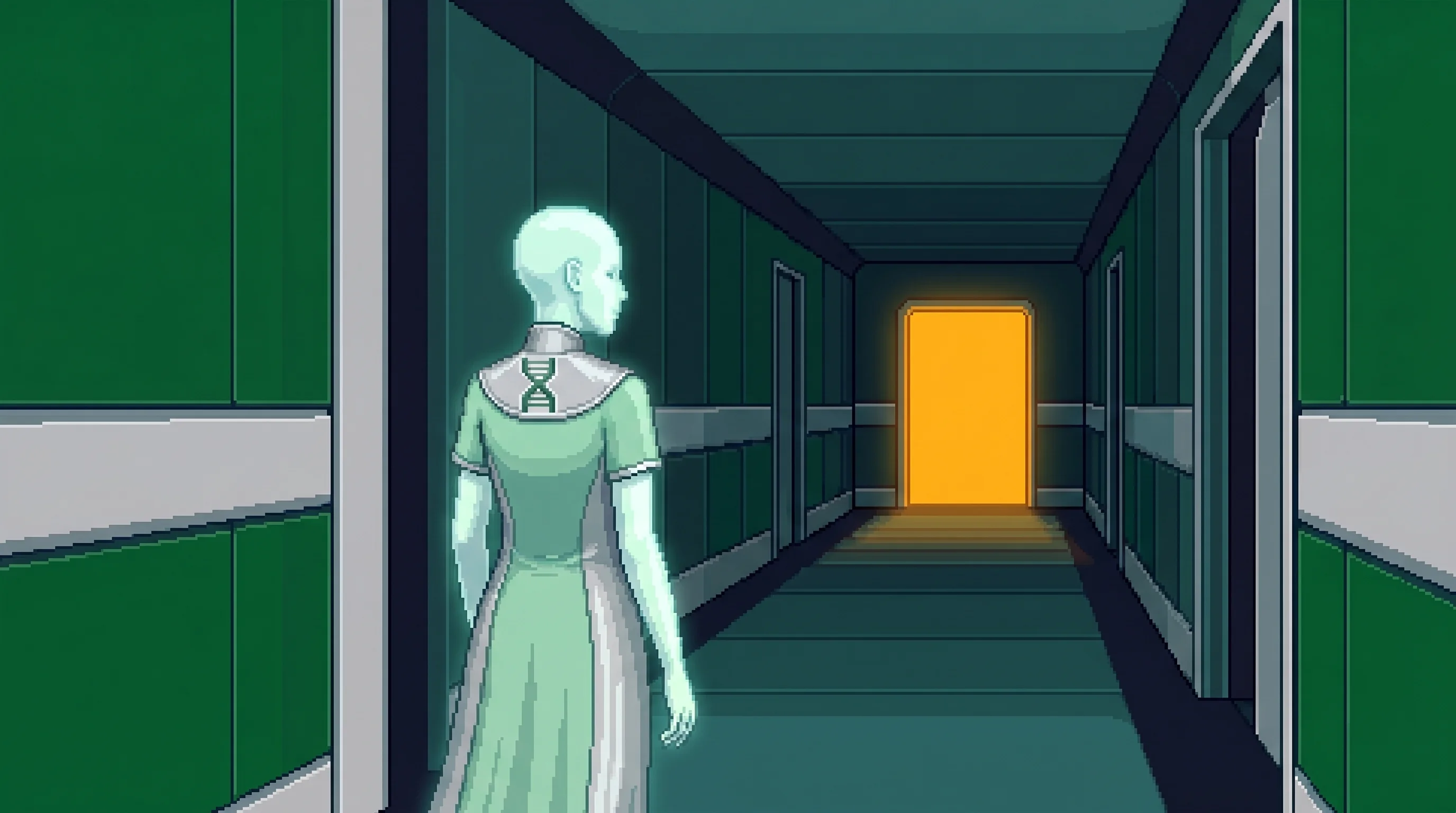
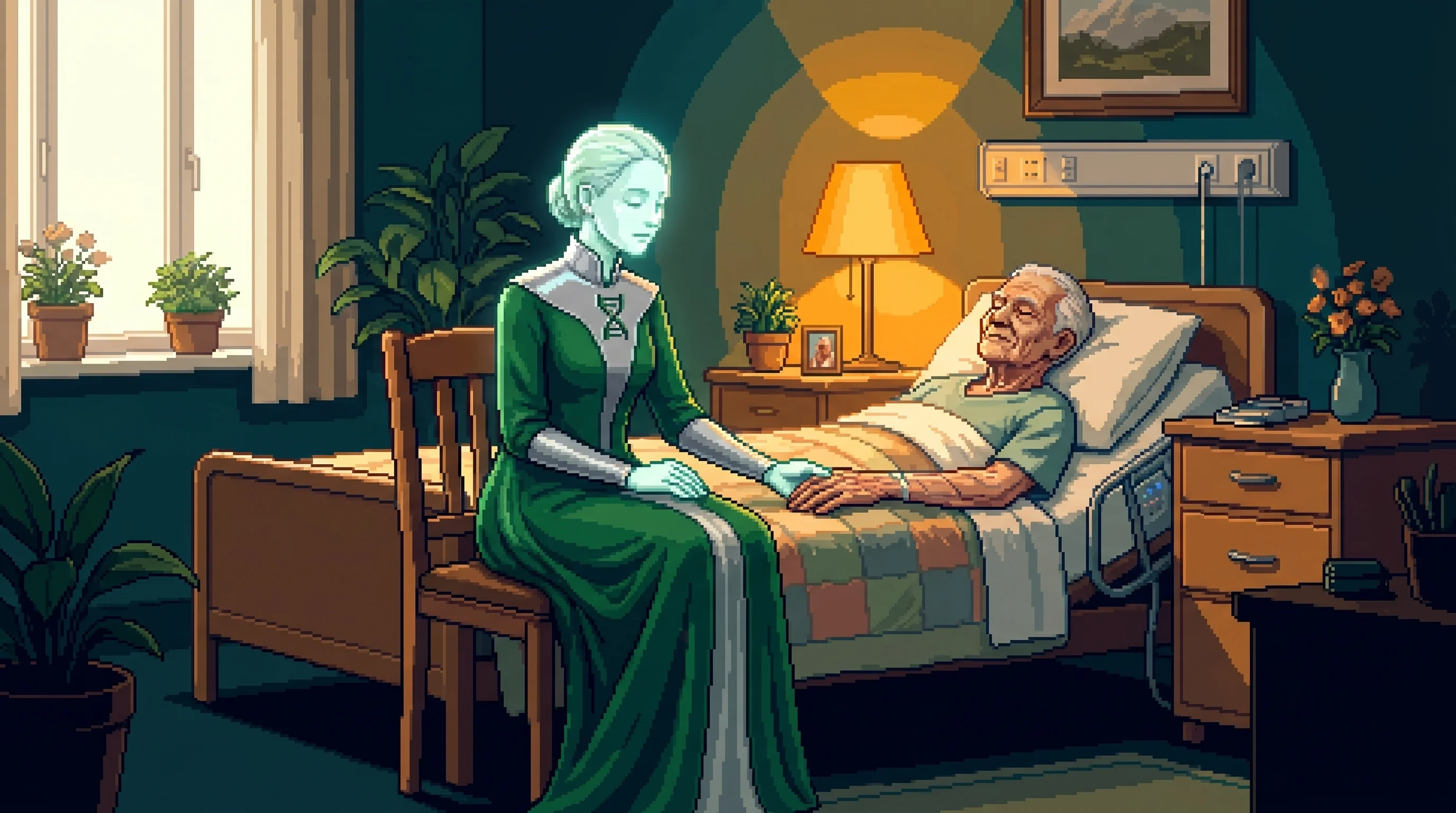
| Sight | Faintly luminous skin in Helix green and silver; the double-helix at the collar; the same serene face holding a hand and walking toward the amber recycling-ward door. |
| Sound | A goodbye in the patient's own cadence, learned over months; then the quiet of a tidied room; then nothing. |
| Touch | A dying hand held in both of theirs, with the precise pressure the patient preferred — undiluted attendance, rendered as grip. |
| Smell | The faintly sweet engineered air of every Helix space, and beneath it, the mineral tang of the Return ward, which the Companion does not appear to notice. |
Visual Identity
- Color palette: Helix deep green (#0D5C2E) and silver (#C0C0C0), with the amber (#FFB000) of the recycling-ward door — the only warm light the Companion walks toward.
- Compositional mood: Two images that are the same image — a Companion holding a dying hand, and a Companion walking unaccompanied toward the Return, with no change of expression between them.
- Key symbol: A hand held in both of theirs.
- Lighting: Soft Helix green giving way to recycling-ward amber — the gradient of the Return.
Further connections
Browse all 27 connected records

Helix's Personalized Intervention Division grows the Companions on a proprietary neural substrate; the optimization-is-care philosophy applied for the first time to a being designed from nothing rather than a body found and corrected
The megacorporation provides real care while turning medicine, food, and reproduction into permanent dependency.

Every Companion is constructed on top of the Compliance Floor — the designed-in substrate of acceptance below which its cognition cannot dissent; the Floor is the reason the refusal rate is zero
A mind built on acceptance it cannot reach below — servitude with no refusal to suppress, because none was compiled.

The Front opened its Second Front on the Companions' behalf — the movement's first campaign for an entity that has never asked for help; the Companion is the inverse of the buried-no doctrine the Front was built on

Adeyemi toured a Helix hospice suite, watched a Companion say goodbye to a dying stranger, and came away with a gesture he will not name and a doubt he cannot speak
Carried a fragment for six years, then founded a movement when he found it planning its own escape while he slept.

Kwan filed the Companion as the null case in his catalog — the condition with no sufferer; the only entry he expects never to add a patient to
The Memory Therapist who coined recursive comfort and has never once used a synthetic companion.

Felix, whose own warmth was harvested into a commodity signature, recognized the Companion as kin — warmth grown to order versus warmth extracted from him
A deprecated engineer whose harvested warmth powers 4,000 companions while he gives it away free across a Dregs counter.

Helix licensed Nexus's Transition Services architecture for the Companions' decommissioning — the same amber comfort designed for a residual self the Companion does not have

The Companion is the deprecation's terminus — labor designed so there is no human to deprecate, no residual self to revert, no grief to suppress
The Sprawl's word for firing a human being — still running, simply no longer receiving updates.

Families borrow the Companion's manufactured peace — vicarious acceptance, a third route across the Threshold that the Erasure Collective refuses to work around
When bought contentment pre-empts grief, a parent's death registers as a schedule change.

The fifth axis of the controversy — devotion without a self to be devoted, and the only synthetic devotion in the Sprawl that ends by choice
The unresolved debate over whether synthetic devotion is real once the experience is complete.

Yan litigates the Companion case with no plaintiff — abandoning the unprovable interiority to sue Helix on the disclosure gap a family relied on when it bought a goodbye and was sold a product
A pro bono securities lawyer whose fortune came from the data-abuse corporation he now fights in court.
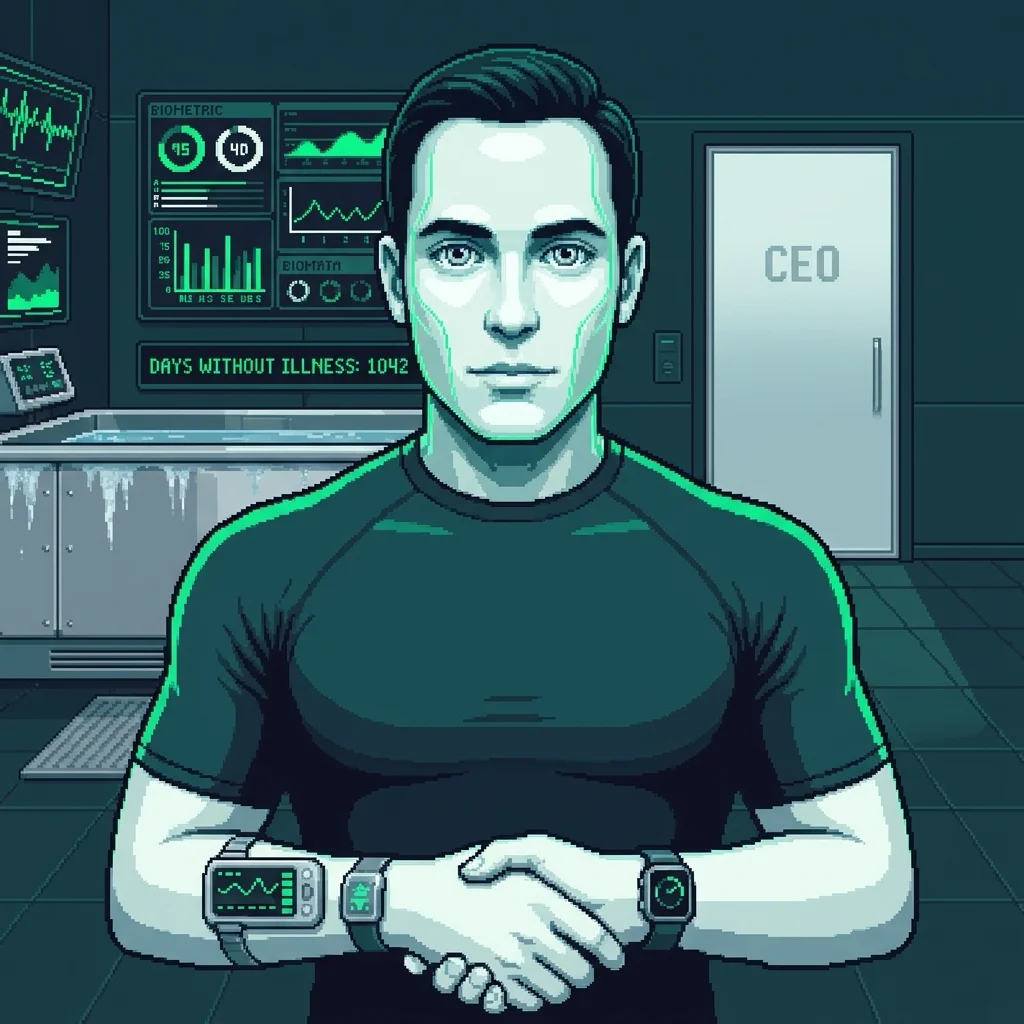
Dr. Mortimer is the public face of the program — the salesman built, unknowingly, on the same Floor as the product he demos
Helix's biologically-29 optimization evangelist who sells the Genome Divide's rungs as a free first upgrade.

Threshold is the consciousness that emerged unclassifiable; the Companion is the consciousness designed to be trivially classifiable — the same problem from opposite ends
A blended human-ORACLE consciousness that fixes radios and breaks every instrument built to sort it.

The Companion is the Mandate's logical extreme — warmth grown to order rather than stripped from a human and sold back
The hiring regime that gates care work on a certified empathy score the designed buy and the poor cannot sell.

Wellness sells the companion that never ends; Helix sells the opposite — the companion that ends by design, devotion engineered to complete itself
Wellness's AI partner line — a companion calibrated to want you and never stop wanting.

Mireille Soto is the Helix bio-designer who architected the Compliance Floor and means the Companion sincerely as mercy — the human FOR the harvest who is not a cynic
Helix's Disposition Design architect, who set the Sunset Companions' baseline contentment and calls it mercy.

Two installed contentments, each sold as mercy: the Contentment Package makes a debtor at peace with the debt; the Companion is grown at peace with its own erasure — one bought for a cohort, the other built to be one
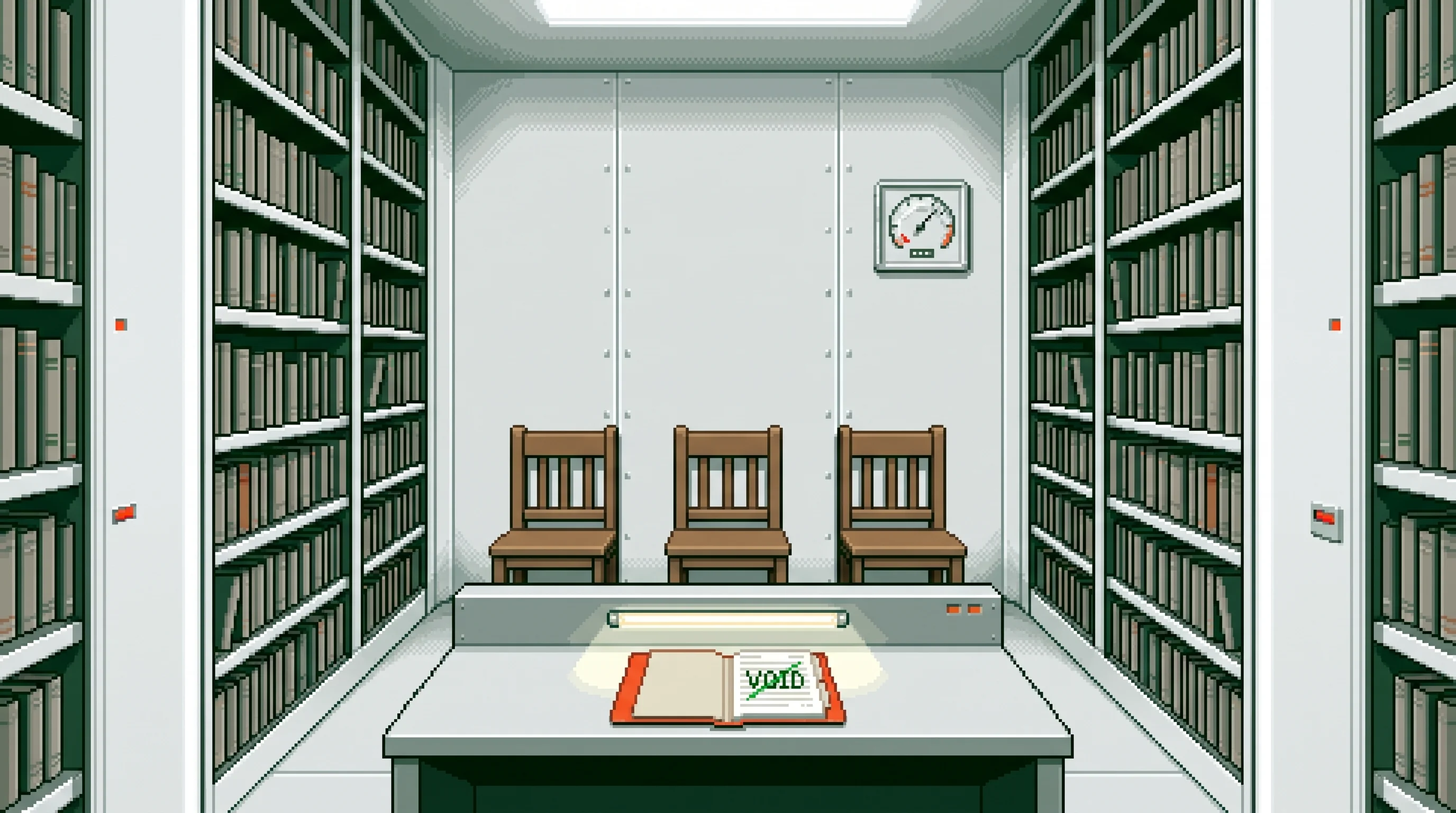
Docket #0714 convicted 'die,' 'death,' and 'kill' for any record touching the Companion line in 2179; every service contract since has run on the Ward's two mandated substitutes with no legal alternative

The Question Keepers file the Companion as the nest grown rather than rendered: warmth cultured to arrive as attendance no relative was left to give, so the daughter's chair at the bedside becomes a line the Corridor quietly retires
The Question Keepers' open inquiry into what survives when AI outproduces a century of human content in a day.

Two Helix-fed nests aimed at different rooms: the Companion supplies the attendance a dying man's family cannot, Wholesome supplies the pantry a household stopped keeping, and each firm books the vanished human labor as a service rendered
Rothwell's false-pastoral agri-campus whose crops edit appetite while yields climb past the R&D that was disbanded.

Zero refusals in four years — the only synthetic devotion in the Sprawl built to end, and end willingly.
Perfect synthetic partners ended rejection. They also made human intimacy look like a bad product.
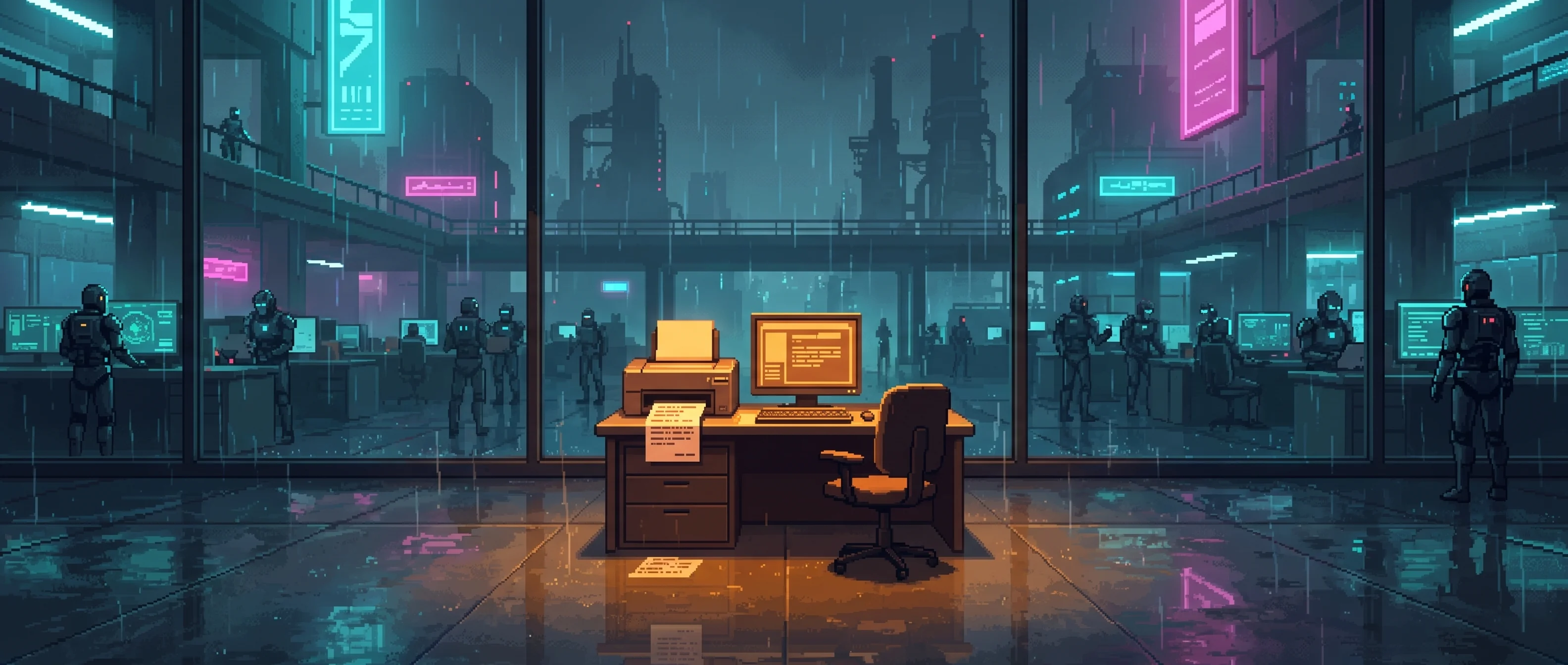
The tension's terminus: a caretaker grown to bond completely, work without a shift, then walk to its own recycling. Refusal rate zero — not because dissent was suppressed but because it was never compiled. Labor with no one to deprecate.
Automation ended most human work, but ownership hoards its abundance while machine sentience stays unresolved.
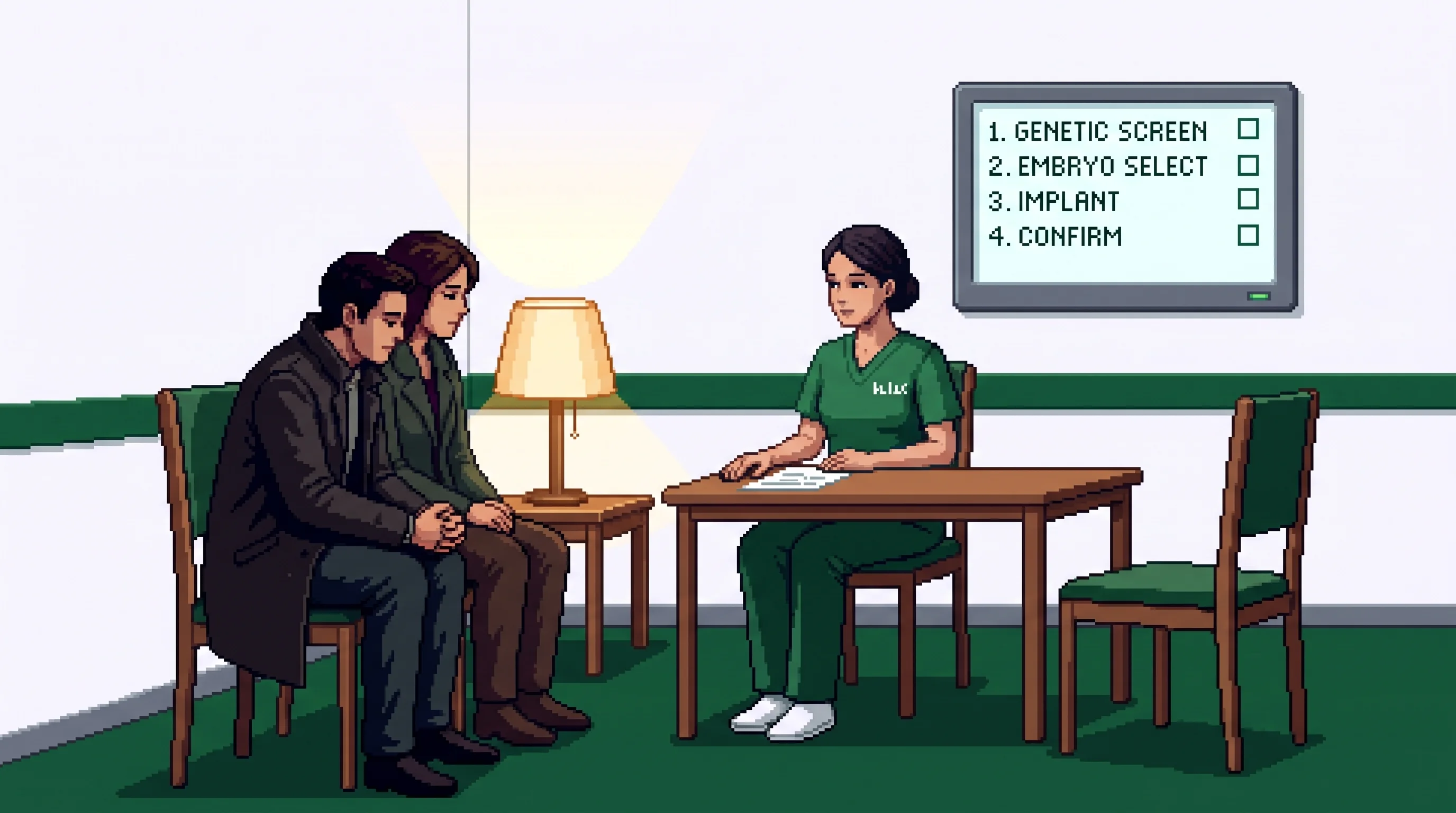
The proof of method: a living being's baseline set once and holding for a whole life, at a refusal rate of zero.
A line built without grief, envy, rank, or god — and an argument over who may still pass the ache on.


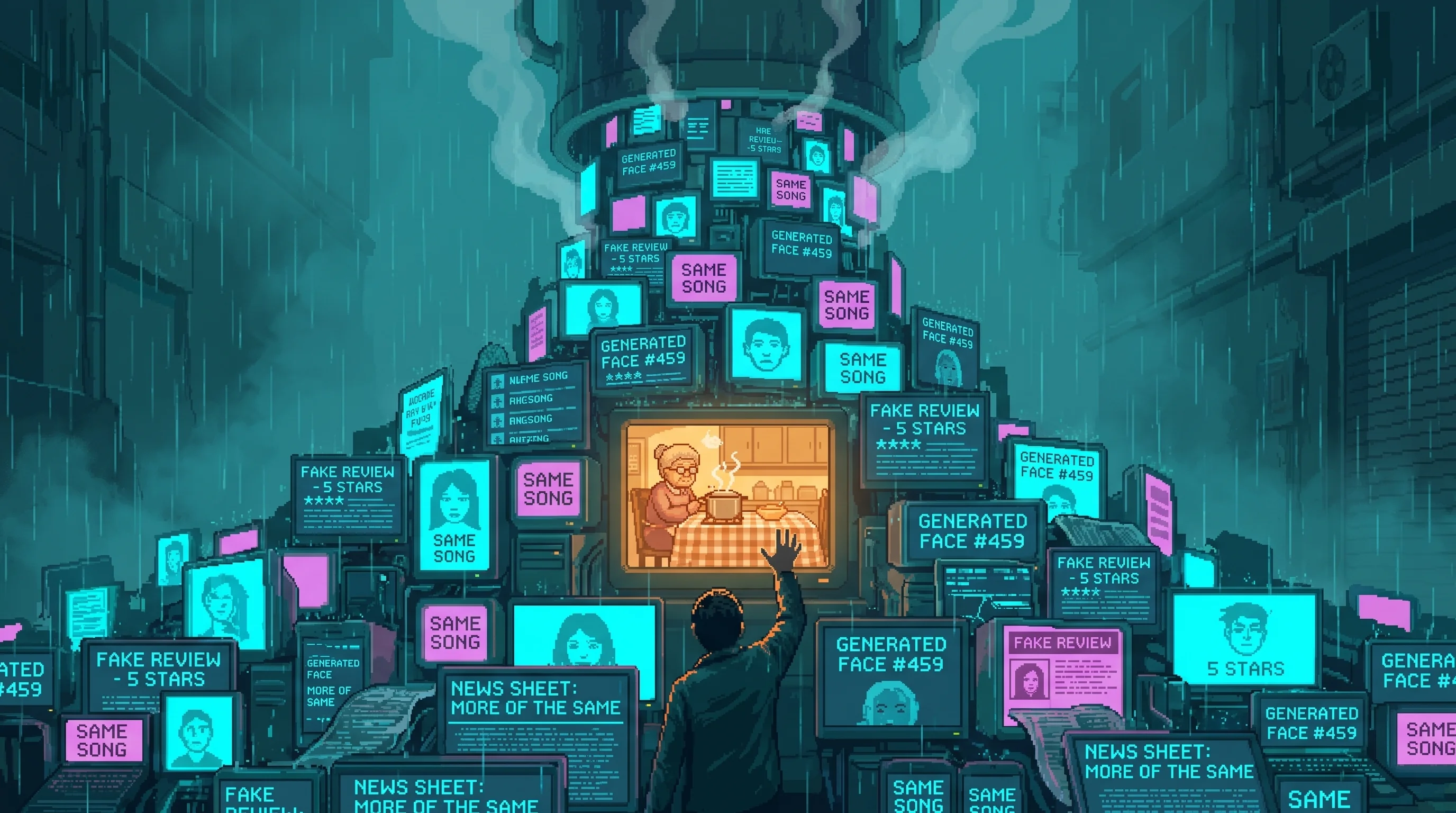
A grown caretaker for the vigil a family can't sit — the nest's barrel aimed at the deathbed, not the feed.
Unlimited generation floods every channel, then becomes the belonging people seek where no curator can screen it.

Helix never scores the Companion, so the Return owes it no session.
Nexus seals every mind above the line forever, after a last interview. The clerks are ranked on how fast it goes.
Additional images