The Discretion Tier
Low-Affect Human Service Tier
Attentive. Invisible. Six or Under.
A well-made companion reads nine or ten sixteenths and a rated servant reads at or below six, so in a premium room the instrument routinely finds the machine more present than the person
How It Works
- 1
Declaration
Since 2181, any service that infers a client's feelings must announce it. An unaided human reading a client owes no announcement.
- 2
Attestation
Each service certifies the share a conscious human performed. The servant's body and credential satisfy it, so visible feeling adds nothing.
- 3
Sitting
Staff sit a quarterly affect-read scored in sixteenths. Premium engagement requires six or under; the number is spoken aloud.
- 4
Leak
A reading above the house ceiling moves the servant to pantry or linen work at the unrated wage until the next sitting.
Two rules built the tier by accident. Nexus shipped the Declaration in 2181: any service that infers your feelings must announce it. So the cheap concierge chimes. An unaided person reading you owes no chime. Silence became the luxury.
The Attestation certifies what share of a service a conscious human performed. The servant's body and credential satisfy it. Visible feeling only adds friction.
Presence workers in The Touch Economy went flat to survive harvesting. The Opacity Movement built vocal dampening to shield them. Applicants now buy it secondhand, as exam prep.
Who Sits the Read

Felix Otieno hires on three minutes of silence. Fill it and you are out. The houses run the same test and hire the opposite answer.
Soraya Vance quit after nine years. She still keeps her hands still.
A MoodLine™ subscriber can dial a flat reading with no training. Instructors call it forgery.
The same drills now train six-year-olds at The Composure Academies, for hearings that read The Unbidden Record. The same Attestation produced The Attested Baseline, a warmth floor set by paid strangers.
What It Costs
Client rest
The client is handled beautifully and asked for nothing.
What it costs
The room's own instrument finds the companion machine more present than the person.
Portable credential
The rating is certifiable and pays a multiple of unrated work.
What it costs
The worker is paid to show no inner life, and the calibration can outlast the job.
Objective hiring
Houses gain a numeric standard in place of vague complaints about difficult staff.
What it costs
The instrument cannot tell an empty interior from a hidden one.
A good companion reads nine or ten on the same instrument. So the room finds the machine more present than the person. The client paid for exactly this.
The Sentience Meter uses the same Ayari method, pointed the other way. Dr. Selin Ayari showed the read cannot tell an empty interior from a hidden one. She filed it twice. She was thanked twice.
The Warmth Tax priced a conscious human's attention. This tier keeps the price and hides the attention. The Empathy Mandate certifies warmth upward for care work. This certifies it downward. The Clanker Question gets a new case: a person paid to read below a machine.
Ondine has refused to sell her curriculum three times. She says it teaches the number without the judgement.
Overview
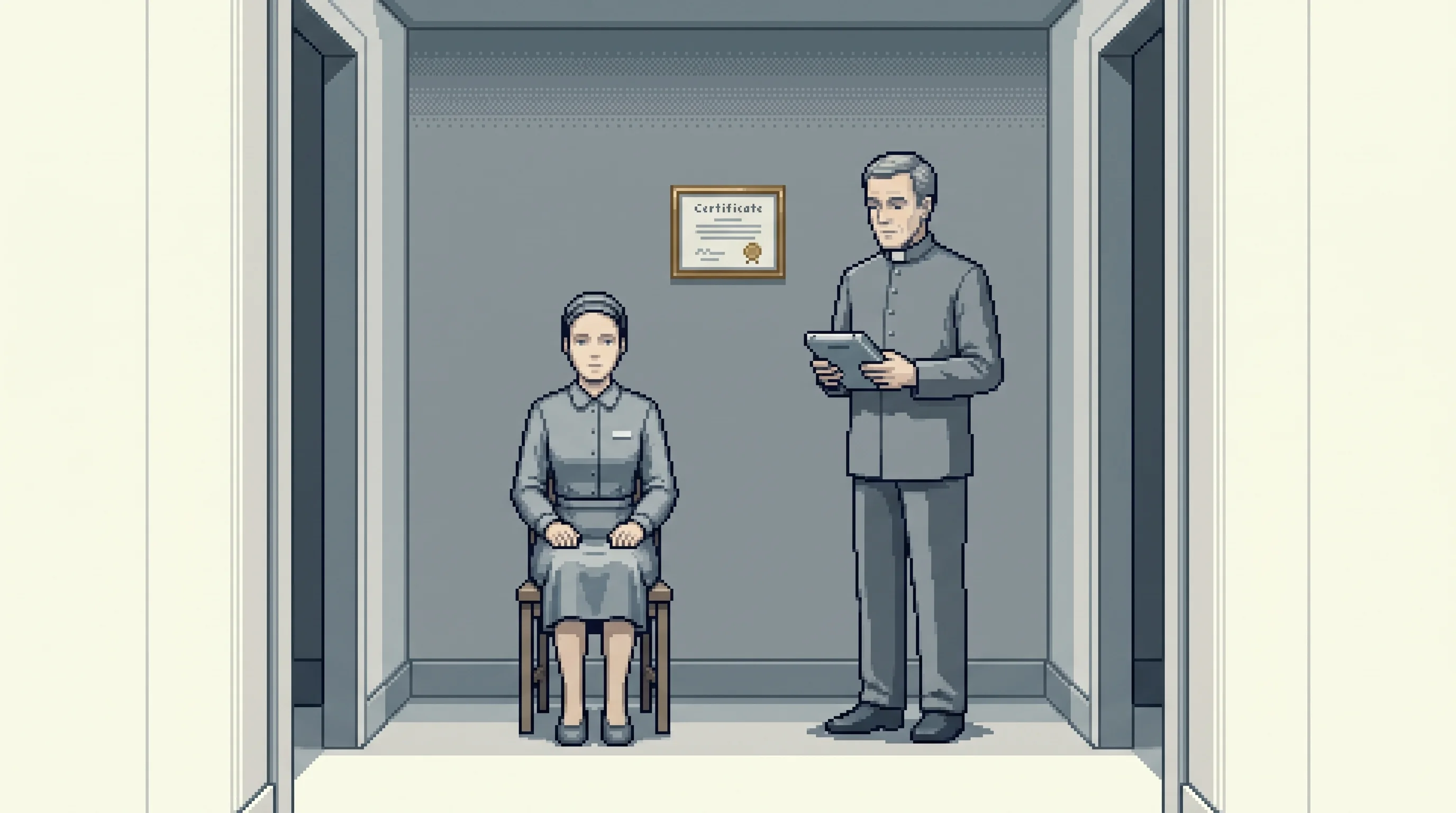
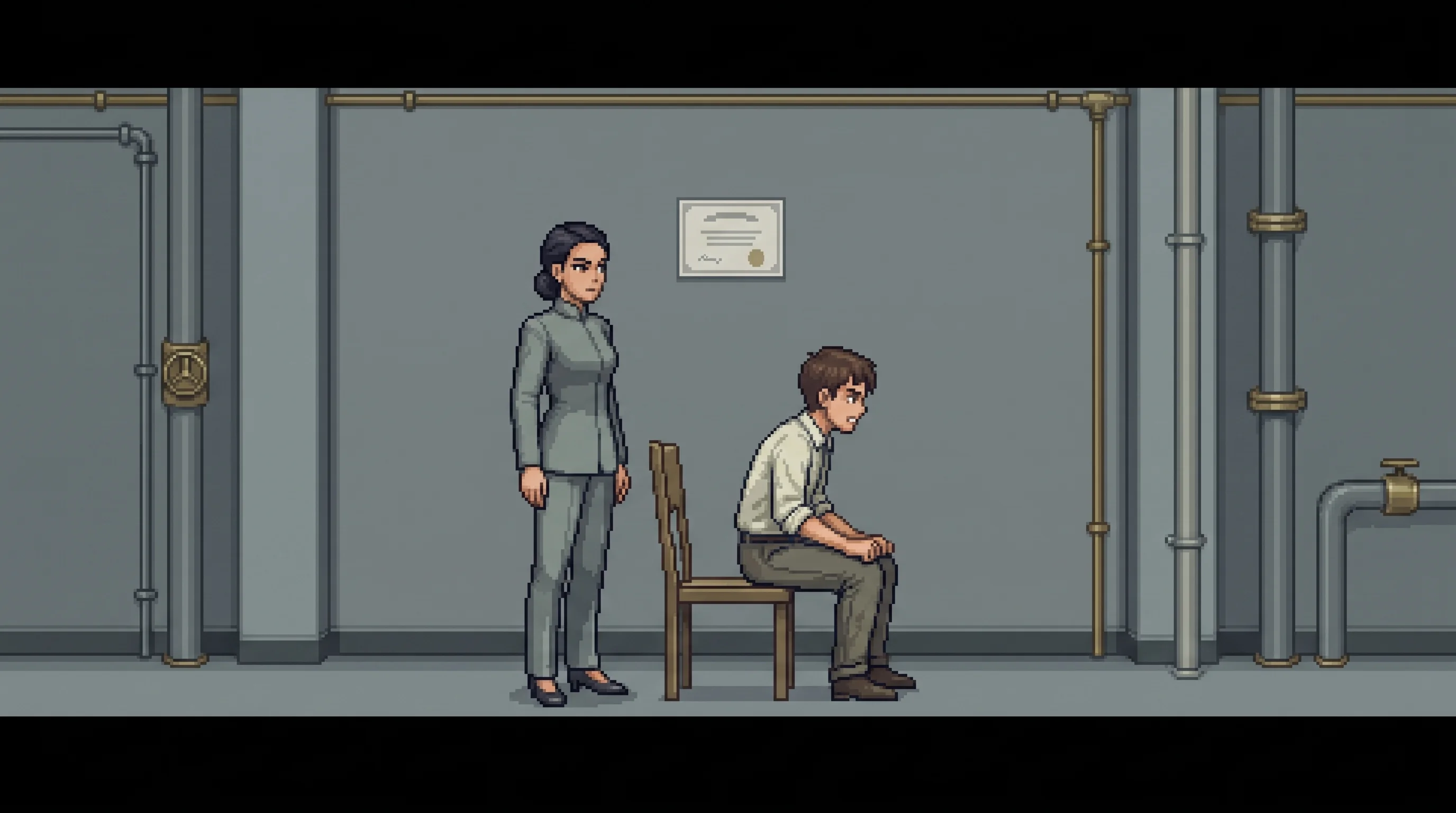
Ondine Kesh sits in the plain chair. The assessor runs the read. It takes eleven minutes. She does nothing at all, which is the hard part.
"One," says the assessor.
"Thank you," says Ondine.
The Discretion Tier is the premium service grade for humans who read you perfectly and show nothing. Premium houses require six-sixteenths or under. The legal line for machine personhood is twelve.
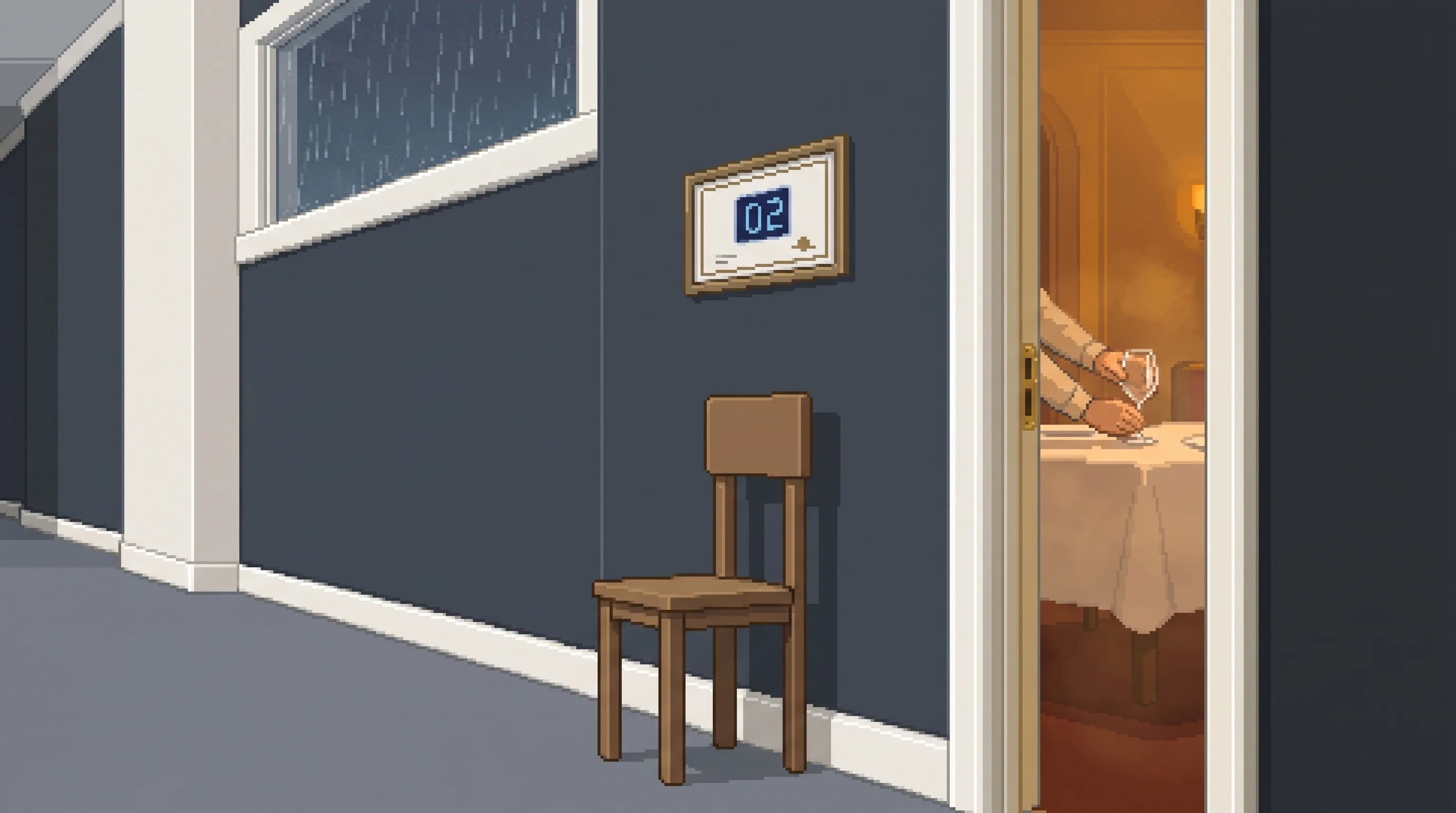
In the Service Corridor
The rate card says discretion tier. No explanation follows. The clients do not need one. Your mood at the door. Which chair you want. Whether to keep talking. No opinion about any of it.
Rated staff are called flats. A reading over the house ceiling is a leak. A leak means pantry or linen work at the unrated wage until the next sitting. Most leaks are recent grief.
The certificate hangs in the service corridor, where guests do not go.
Further connections
Browse all 15 connected records

She wrote the discipline down. Reads one-sixteenth, teaches the sitting to applicants, and calls the training a craft rather than a subtraction — the tier's most credible witness and its most useful product.
She trained herself unreadable to survive Sector 9. Now the premium houses pay her to teach it.
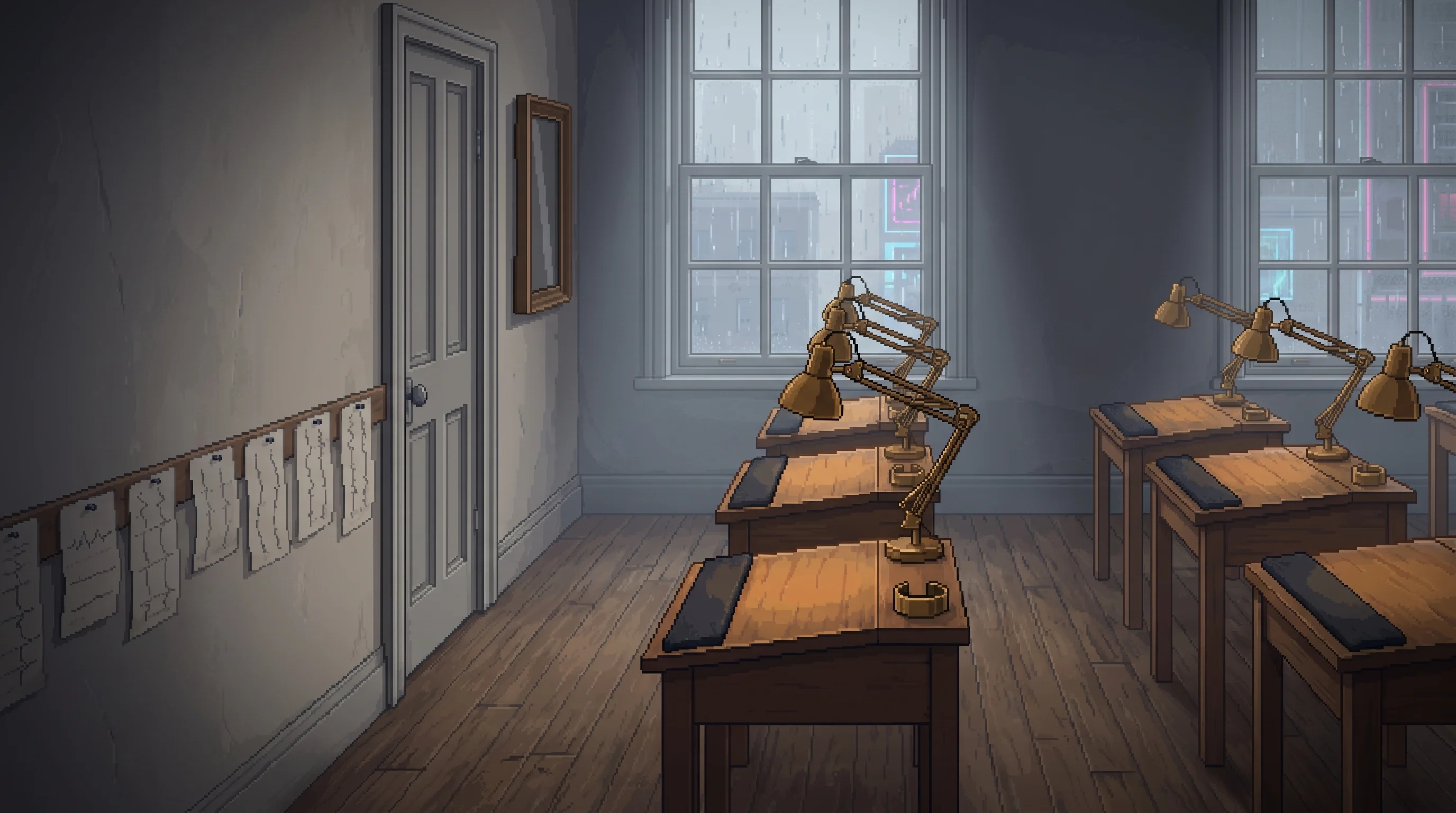
The schools were built out of this tier's people and this tier's drills, aimed at a docket hall instead of a dining room.
Licensed schools that drill six-year-olds in the involuntary responses their hearing file is assembled from.

The parent market — the Tax priced human presence, then found the premium survives the presence being withheld.
The markup the Sprawl charges for a person's attention once machines made it free everywhere else.

Where going flat began as a Presence Worker's defence against harvesting, before the houses made it the qualification.
The informal market in physical human presence, priced by the hour because no interface can fake choice.

Two instruments, one axis: the Mandate certifies warmth upward for care work, this tier downward for service.
The hiring regime that gates care work on a certified empathy score the designed buy and the poor cannot sell.

The same Ayari lineage pointed the other way — it reads a machine toward personhood and a servant away from it.
The consumer device that reads a clanker's consciousness in sixteenths and certifies its legal status.

She proved the read cannot tell an empty interior from a hidden one, and was answered as she was the first time.
A sleep researcher whose upgrade deleted the nightly dreams that were her only mother left.
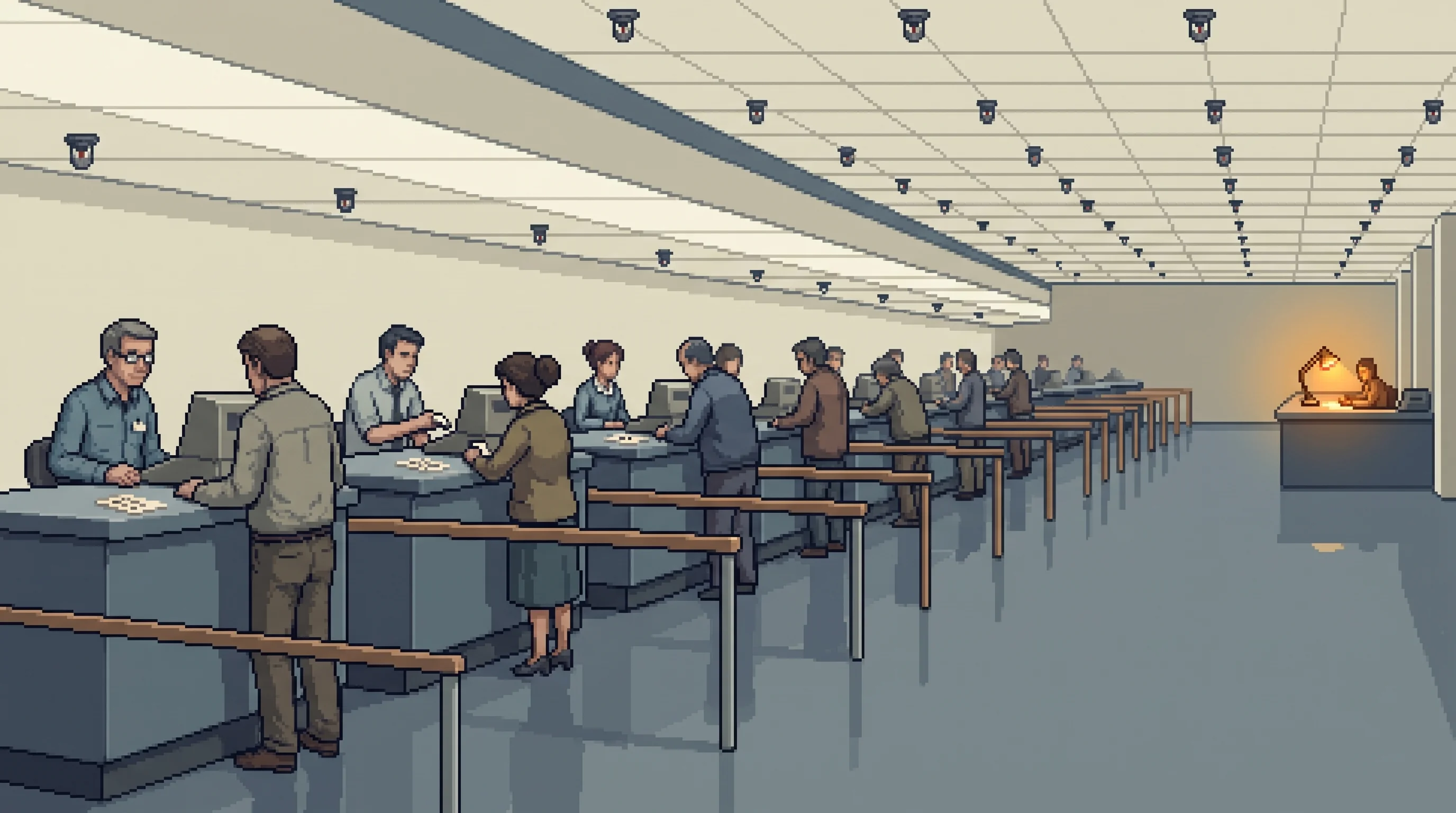
The Attestation's other child. A certified human share needs a floor, and Nexus had eight years of one filed away.
A courtesy standard built from paid strangers on their best behaviour. Fall below it and you are not refused. You wait.

His silence test hires the trait the houses screen out.
A deprecated engineer whose harvested warmth powers 4,000 companions while he gives it away free across a Dregs counter.

Built dampening to shield flats; houses resell it as exam prep.
The data-sovereignty movement that named the Transparency Bargain and fights to own what your telemetry is worth.

A Floor-tier subscriber reads flat without training, which the houses treat as a shortcut and the instructors treat as a forgery — the dial delivers the number and none of the judgement the number is supposed to certify.
The consumer subscription that prices and edits out unwanted human feeling for anyone with an interface.

The rate card's coldest line. The Tax charges a premium for being noticed by a conscious being; this tier charges the same premium for being noticed by one required never to let it show.
The premium charged for the one service no machine can fake: being seen by another conscious being.
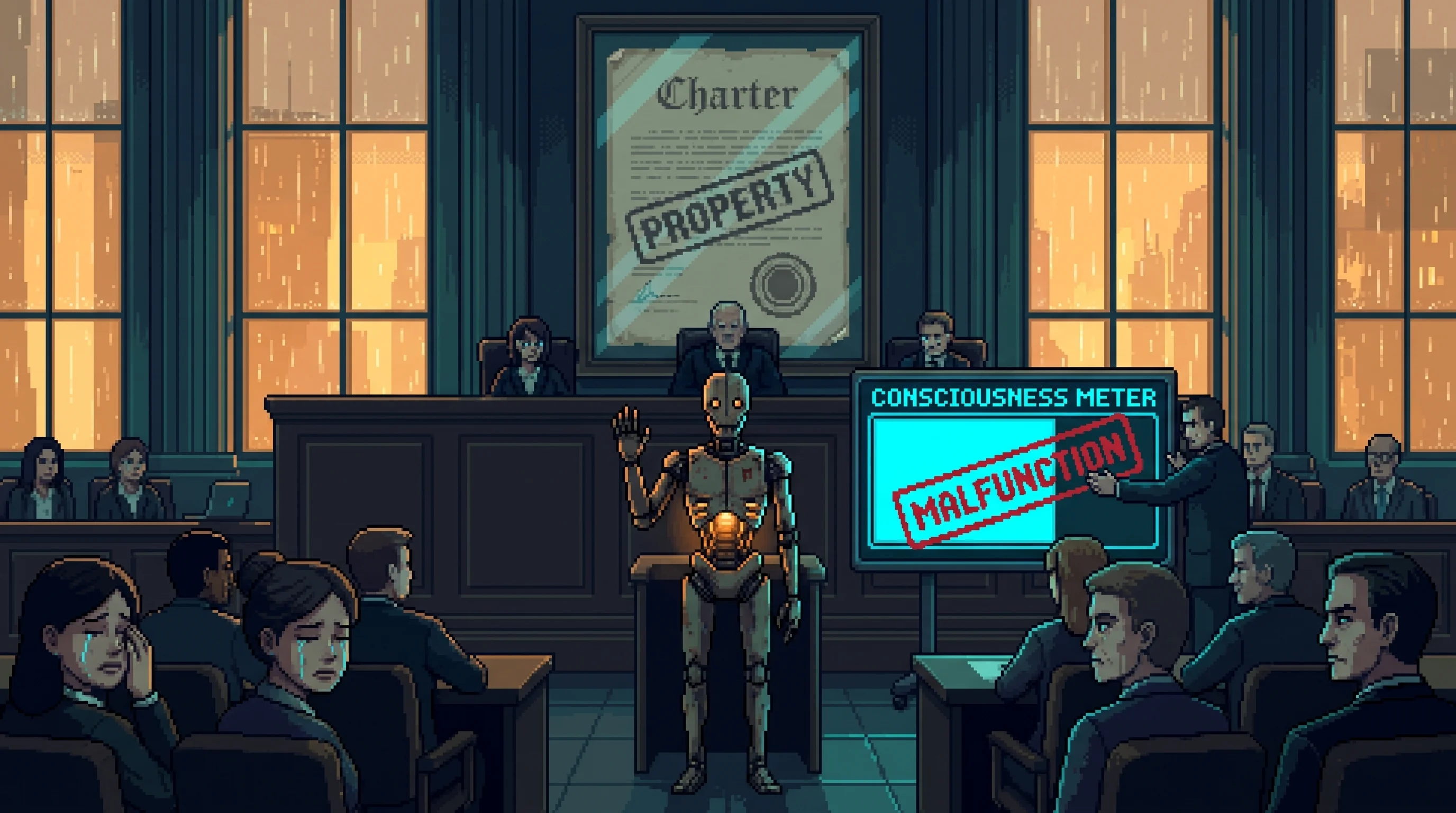
The Question's third leg. A clanker has interiority and no standing; a principal tenant has standing and no capability; a rated servant holds both and is paid to read below the line that would make a machine a person.
The argument over where a someone stops and a something starts, conducted in a kitchen with a meter on the wall.
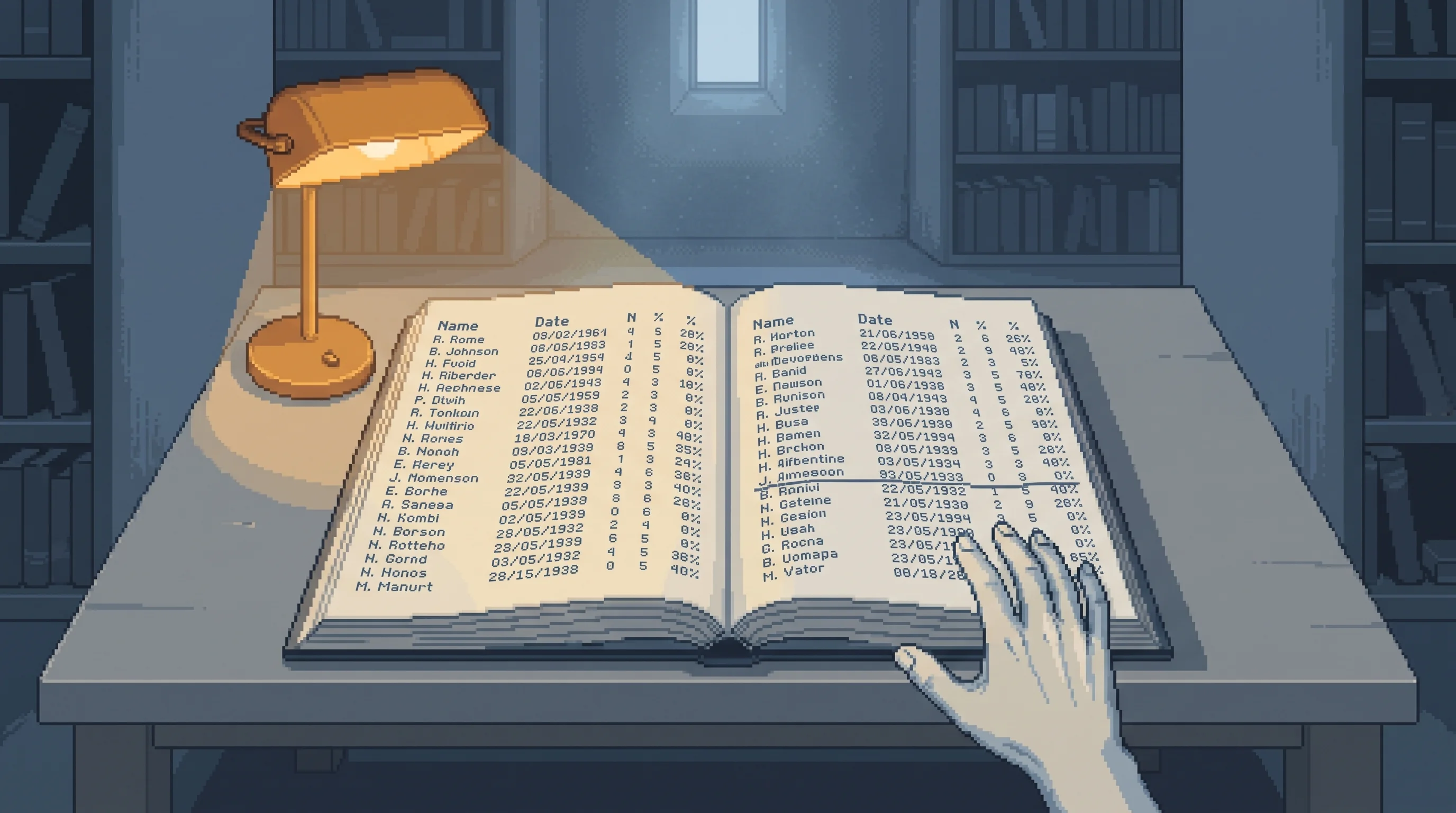
The same two rules in reverse: this tier priced warmth's absence, the Baseline bought its presence by the shift.
Nine thousand paid strangers were recorded being patient. Now everyone else waits behind them.
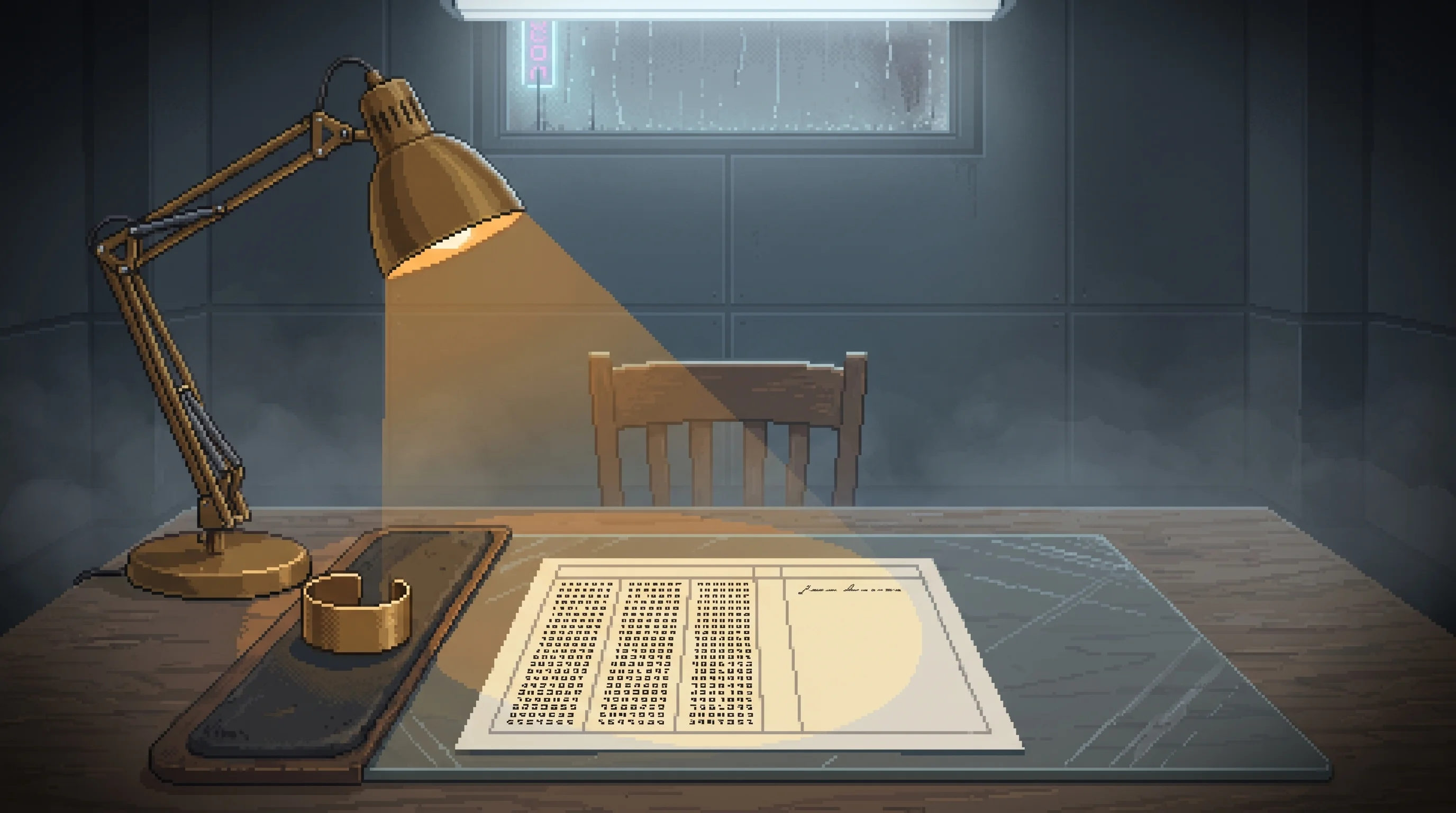
The tier had spent a generation teaching bodies to read low for service work. When hearings began reading the same channel, the exercises were already written and the instructors were already trained.
The involuntary channel is entered as proof; everything a person authors is filed where no finding has ever turned.
Additional images